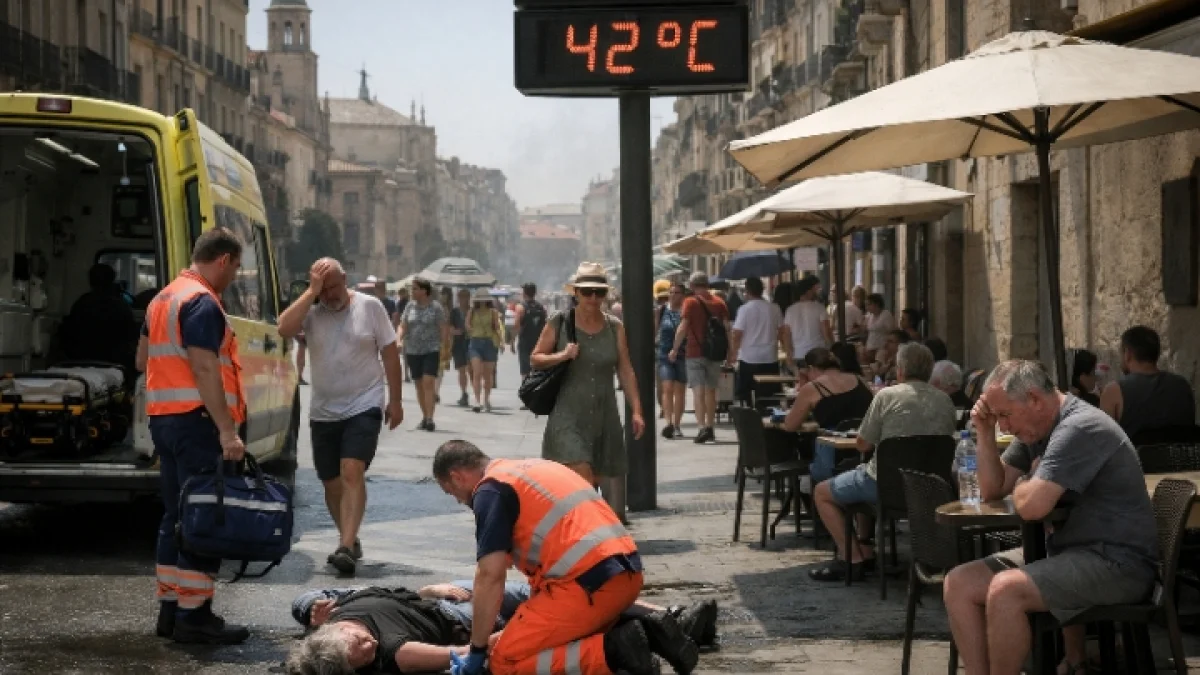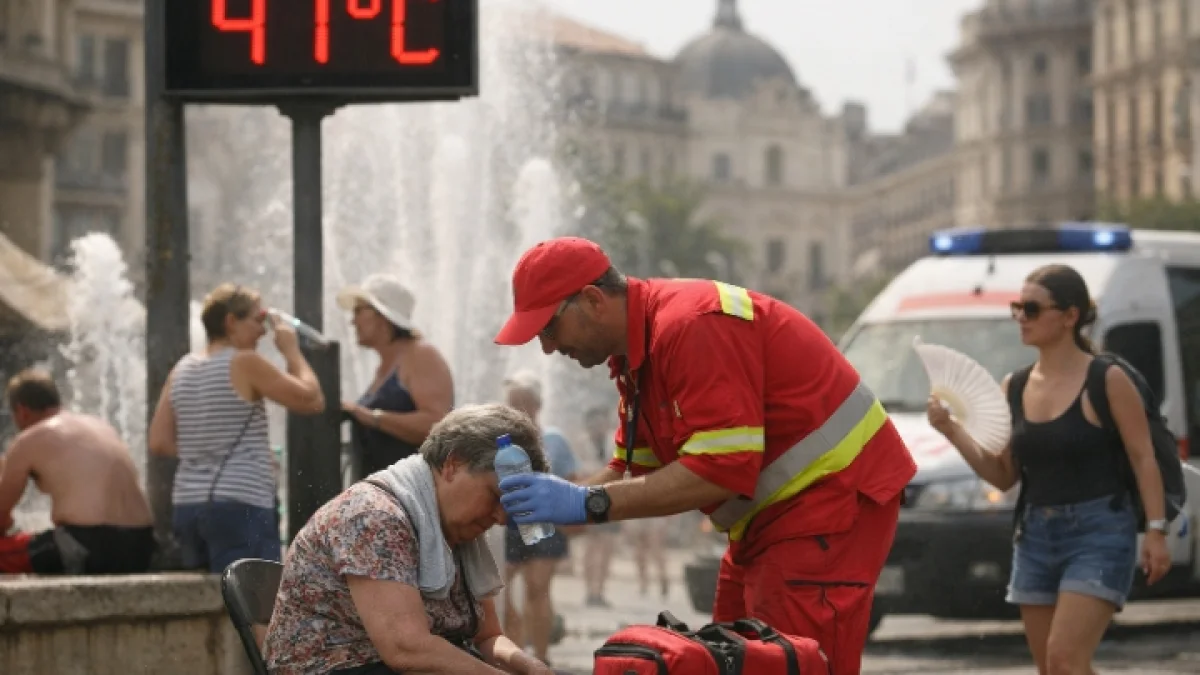
COPENHAGEN — The World Health Organization has called on European governments to strengthen preparedness for extreme heat, warning that increasingly frequent and intense heatwaves require coordinated public health action as the continent continues to face rising temperatures.
In guidance and statements issued this month, WHO's Regional Office for Europe said extreme heat should be treated as a recurring public health emergency rather than a seasonal weather event. The agency urged countries to strengthen heat-health action plans, improve early warning systems, expand cooling facilities and better protect vulnerable groups, including older adults, people with chronic illnesses, homeless populations and outdoor workers.
WHO Regional Director for Europe Dr. Hans Henri P. Kluge said countries had made progress but significant preparedness gaps remained. Following an emergency meeting involving representatives from 41 member states, the European Commission and civil society organizations, WHO said participants identified the need for stronger coordination between health authorities, emergency services, urban planners and other government agencies.
The organization said Europe is the world's fastest-warming region, with temperatures increasing at roughly twice the global average. It warned that heatwaves are placing growing pressure on health systems, social care services and critical infrastructure while increasing illness and deaths across the region.
According to WHO/Europe, preliminary data from five countries indicate nearly 10,000 excess deaths linked to this summer's heat, although officials said the full toll is still being assessed. The agency noted that more than 200,000 people have died from heat-related causes in the region over the past four years, while emphasizing that many of those deaths could be prevented through effective preparedness and response measures.
WHO recommended that governments ensure hospitals remain operational during prolonged heat events, improve public communication, establish accessible cooling spaces, conduct welfare checks on at-risk residents and integrate climate resilience into health infrastructure planning. It also called for faster activation of heat emergency measures where administrative procedures can delay public health responses.
European countries have also been adapting transport, energy and public infrastructure to cope with higher temperatures after repeated heatwaves disrupted rail networks, roads and electricity systems in recent years.
WHO said it will continue providing technical support to member states and share lessons from recent heatwaves across the region as governments prepare for additional periods of extreme heat expected during the remainder of the summer.