Venezuela's recovery from the devastating earthquakes of June 24 has entered a new phase in which the principal challenge is no longer emergency trauma care but preventing a broader public health crisis as damaged health infrastructure, displaced populations and disrupted basic services strain an already fragile healthcare system. International health authorities say the transition from rescue operations to recovery will determine whether the disaster's long-term human toll extends beyond those killed and injured in the initial earthquakes.
The shift is significant because experience from major natural disasters shows that deaths and illnesses in the weeks and months after an earthquake increasingly depend on the resilience of public health systems rather than the immediate impact of collapsed buildings. The Pan American Health Organization (PAHO), the regional office of the World Health Organization, has said the priority is now restoring essential health services, strengthening disease surveillance and preventing secondary health emergencies before they emerge.
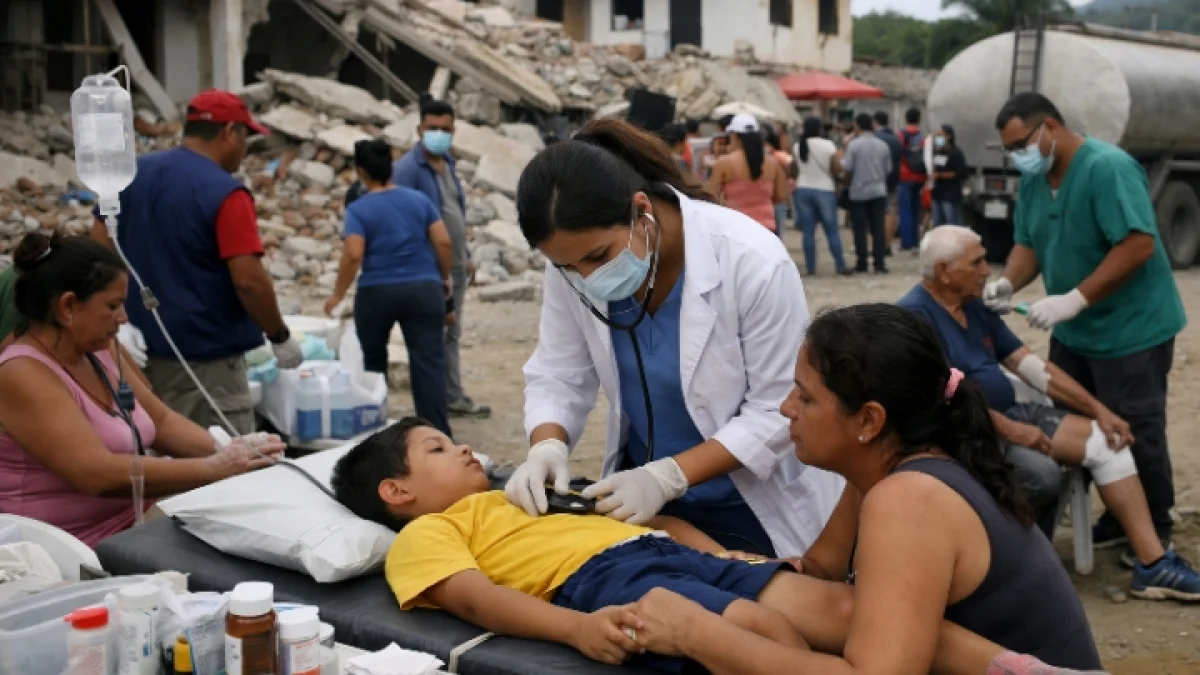
Official casualty figures have continued to rise as recovery crews reach previously inaccessible areas. Authorities reported more than 5,000 deaths by July 18, with about 16,700 injured and extensive damage to housing, transport infrastructure and healthcare facilities. While search and recovery operations continue, health officials increasingly view the destruction of clinics, hospitals and community health services as a central obstacle to recovery because it affects both earthquake survivors and people requiring routine medical care.
PAHO has identified several interconnected risks that commonly emerge after large-scale disasters. Overcrowded temporary shelters increase the likelihood of diarrheal diseases, acute respiratory infections and the spread of vaccine-preventable illnesses. Damage to water, sanitation and hygiene systems can accelerate disease transmission, while interruptions to vaccination programs and primary healthcare reduce the ability to detect and contain outbreaks early. These risks do not imply that outbreaks are inevitable, but they require sustained surveillance and preventive measures during the recovery period.
The organization has reported damage to dozens of health facilities and has worked with Venezuelan authorities to prioritize restoring referral networks, expanding epidemiological surveillance and integrating vaccination, sanitation and infection-control measures into emergency shelters. Authorities have also designated priority diseases and public health events for immediate reporting in an effort to strengthen early detection and rapid response should health threats emerge.
The recovery effort also highlights broader health needs that often receive less attention during the initial emergency response. PAHO has emphasized continuity of care for people with chronic illnesses, pregnant women, children and patients requiring regular medication or treatment. Interruptions in access to medicines, dialysis, maternal healthcare and routine clinical services can increase illness even when those conditions are unrelated to the earthquake itself. Mental health has similarly become a priority, with humanitarian agencies identifying psychosocial support as an essential component of recovery alongside physical healthcare.
The disaster has unfolded against the backdrop of longstanding pressures on Venezuela's healthcare system, making recovery more complex than in countries with greater reserve capacity. International organizations have stressed that rebuilding damaged facilities alone will not be sufficient if staffing shortages, supply constraints and disrupted referral systems continue to limit access to care. Public health specialists generally regard restoration of healthcare delivery and disease prevention as parallel priorities rather than sequential ones because delays in either can worsen long-term outcomes.
International assistance has therefore increasingly focused on strengthening health system resilience in addition to delivering emergency relief. PAHO has appealed for funding to support essential medicines, surveillance, vaccination, rehabilitation of health facilities and water and sanitation programs over the coming months. The organization has said these investments are intended not only to address immediate humanitarian needs but also to reduce the likelihood that preventable diseases or interrupted healthcare become secondary consequences of the disaster.
Questions have also emerged about the effectiveness of the broader emergency response. Reuters has reported that a review identified confusion, delayed deployments and shortages of equipment that slowed initial rescue operations, underscoring how emergency coordination can influence both immediate survival and subsequent recovery. While those findings focus primarily on operational performance, they also illustrate the importance of preparedness in limiting downstream public health consequences after major disasters.
For health authorities, the coming weeks will provide the clearest indication of whether recovery efforts can successfully shift from emergency response to sustained public health protection. The confirmed priorities remain restoring essential medical services, maintaining disease surveillance, improving water and sanitation conditions, supporting mental health and ensuring continuity of care for vulnerable populations. Officials continue to monitor communicable disease risks, healthcare capacity and the needs of displaced communities as recovery operations proceed, while updated casualty figures and infrastructure assessments remain subject to ongoing official verification.