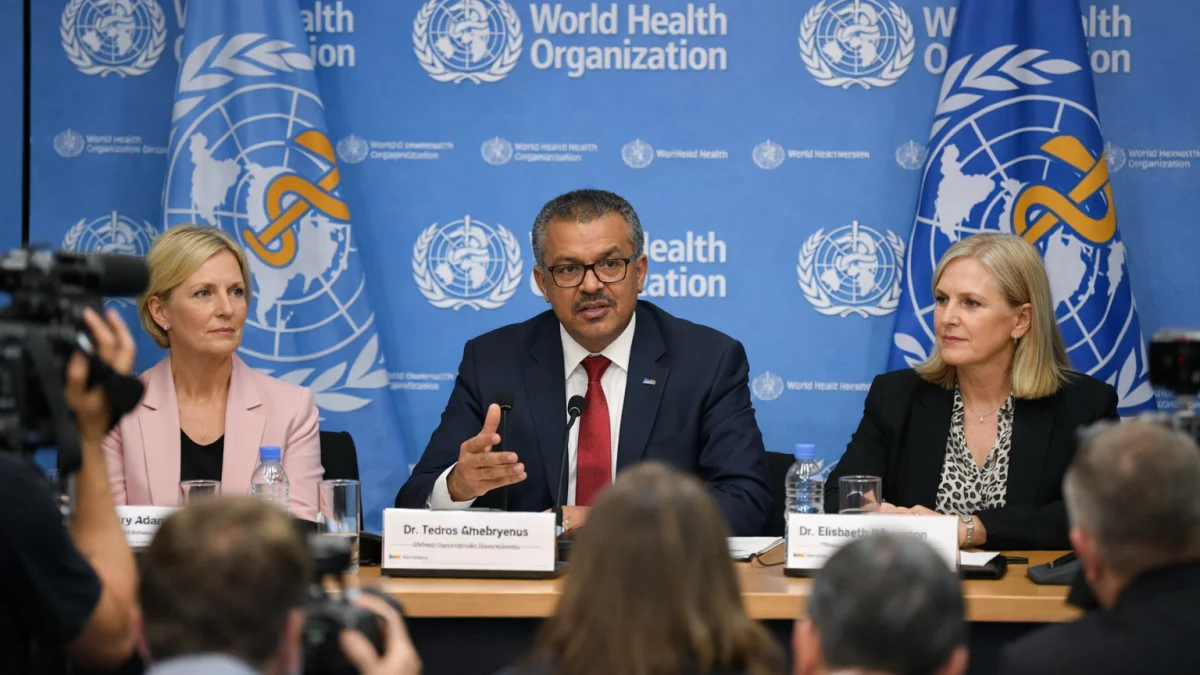
GENEVA — The World Health Organization has called for urgent action to strengthen cancer prevention, diagnosis, treatment and long-term care, warning that annual global cancer cases are projected to rise to nearly 35 million by 2050 unless countries make sustained investments in more equitable and people-centred health systems.
The warning accompanies the WHO Global Status Report on Cancer 2026, developed jointly with the International Agency for Research on Cancer (IARC), which says scientific advances in cancer care have not been matched by equal access to services around the world. The report estimates there are currently about 20.6 million new cancer cases and nearly 10 million deaths each year, with cancer remaining the world's second-leading cause of death after cardiovascular disease.
WHO said the projected increase in cancer cases reflects population growth, ageing and persistent exposure to preventable risk factors, while major disparities in access to screening, diagnosis, treatment and palliative care continue to leave many patients without timely or affordable services.
The report urges governments to integrate cancer control more fully into universal health coverage, strengthen the health workforce, improve social protections for patients and families, and align research and innovation with public health priorities. It outlines three broad strategic shifts — improving capabilities, protections and value — supported by seven recommendations aimed at reducing inequities in cancer outcomes.
According to the WHO, progress has been made in areas including tobacco control, vaccination programmes and some forms of early detection. However, the organization said these gains have not translated into equitable outcomes across countries, particularly in low- and middle-income nations where shortages of medicines, diagnostics, radiotherapy and trained health professionals remain significant barriers.
The report also emphasizes the broader impact of cancer beyond clinical treatment, highlighting the physical, emotional and financial burden on patients, caregivers and families. WHO said future cancer strategies should place the experiences of affected people at the centre of policy decisions while expanding community-based prevention and support services.
WHO and IARC said the report is intended to guide governments, health systems and international partners in planning future cancer services as demand continues to grow. The organizations called for coordinated action to ensure that advances in cancer prevention and care benefit all populations rather than widening existing health inequalities.