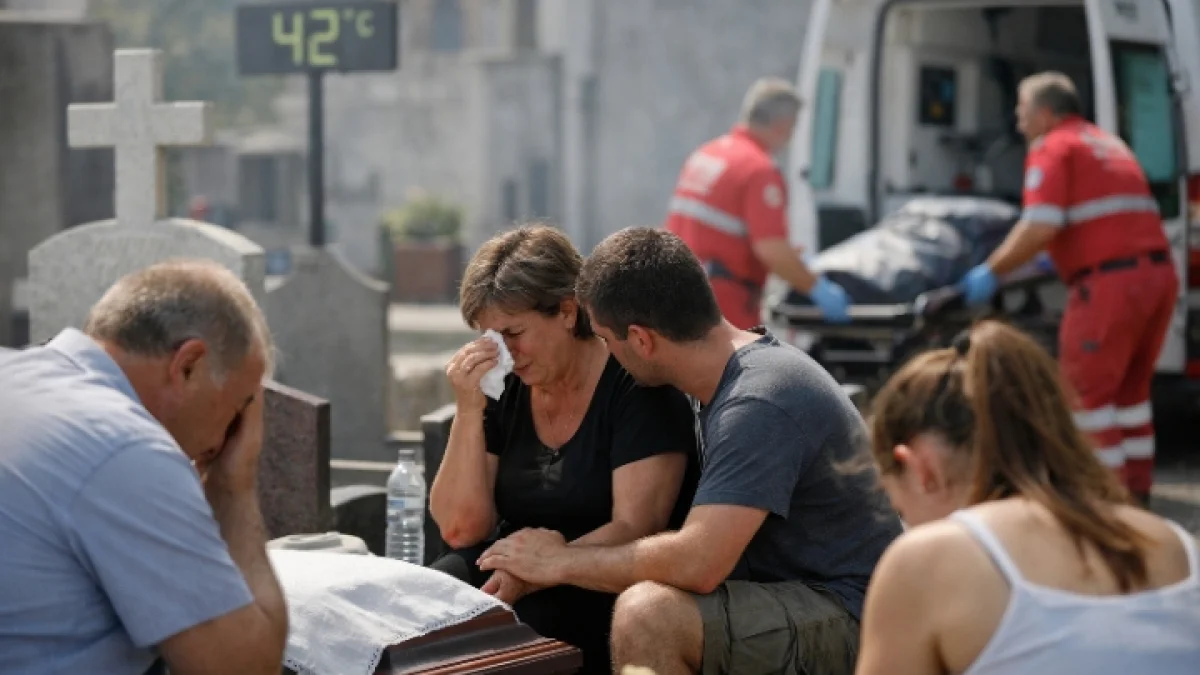
In France, the first signs of the heatwave's toll were recorded not only in hospitals and emergency rooms but in the daily mortality figures that began to climb as temperatures surged across the country in late June. Families were losing older relatives, while authorities were still trying to measure how many deaths had been brought forward by the extraordinary heat.
Across Europe, the numbers have since grown into a stark picture of a public-health crisis. Data from European mortality monitoring showed more than 10,000 excess deaths during the week when the late-June heatwave peaked, with more than 9,000 among people aged 65 and over, according to reporting on EuroMOMO data. The figures are estimates of deaths above the number normally expected and are not all certified as directly caused by heat. But health authorities and researchers say the timing and scale point to the extreme temperatures as a major factor.
For families, the statistics can be difficult to reconcile with the ordinary circumstances in which many of the deaths occurred. Heat-related mortality is often less visible than deaths caused by storms or floods. It can follow the worsening of an existing heart or lung condition, dehydration or heat stress, and can occur at home or in care facilities rather than in a hospital. The World Health Organization describes extreme heat as a major environmental and occupational health hazard that can worsen cardiovascular disease, diabetes, asthma and other conditions.
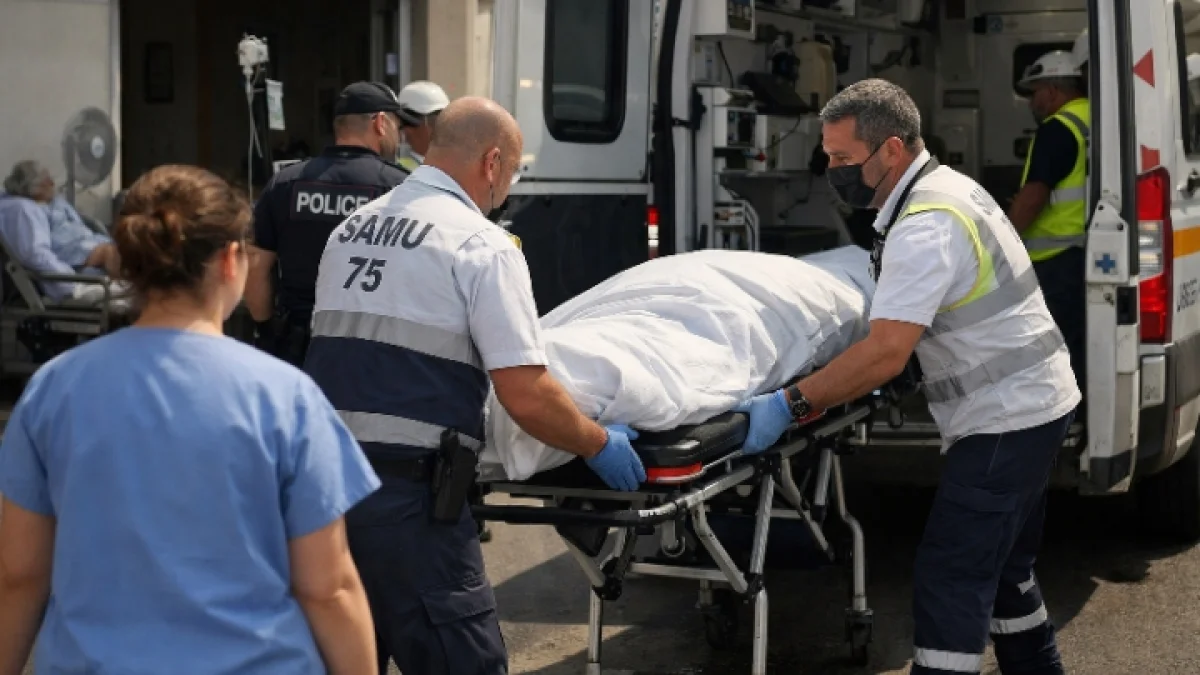
In France, the country's public health agency reported 2,025 additional deaths during the week beginning June 22, according to figures reported in early July. Mortality rose sharply during the period when temperatures reached or exceeded 40 degrees Celsius in parts of the country. Public health officials cautioned that early figures could underestimate the final toll, as some deaths are registered only after delays.
The heat was not confined to France. Belgium recorded about 1,200 excess deaths between June 18 and June 29, while the Netherlands reported roughly 480 during the week of June 22-28, according to preliminary national data. Older people were particularly affected, with the Netherlands seeing the greatest impact among those aged 80 and above. Reuters reported that the combined number of excess deaths recorded in France, Belgium and the Netherlands had reached at least 3,700 by early July.
In Spain, the Carlos III Health Institute reported at least 1,028 heat-related deaths in June, more than twice the number recorded in the same month of 2025, according to Euronews. The differences in national counting methods mean the figures cannot simply be added together to produce a single European death toll, but they reinforce the scale of the burden emerging across the continent.
Behind the aggregate numbers are families navigating a familiar summer ritual under unfamiliar conditions: checking on older relatives, urging them to drink water, closing shutters during the hottest hours and watching weather alerts. For some, those precautions came too late.
The danger was particularly acute for people living alone or with chronic illnesses. Heat places additional strain on the cardiovascular system and can aggravate existing disease, while high overnight temperatures leave the body with less opportunity to recover. The WHO says heat-related mortality among people over 65 increased by about 85% between 2000-2004 and 2017-2021, underscoring the vulnerability of ageing populations as temperatures rise.
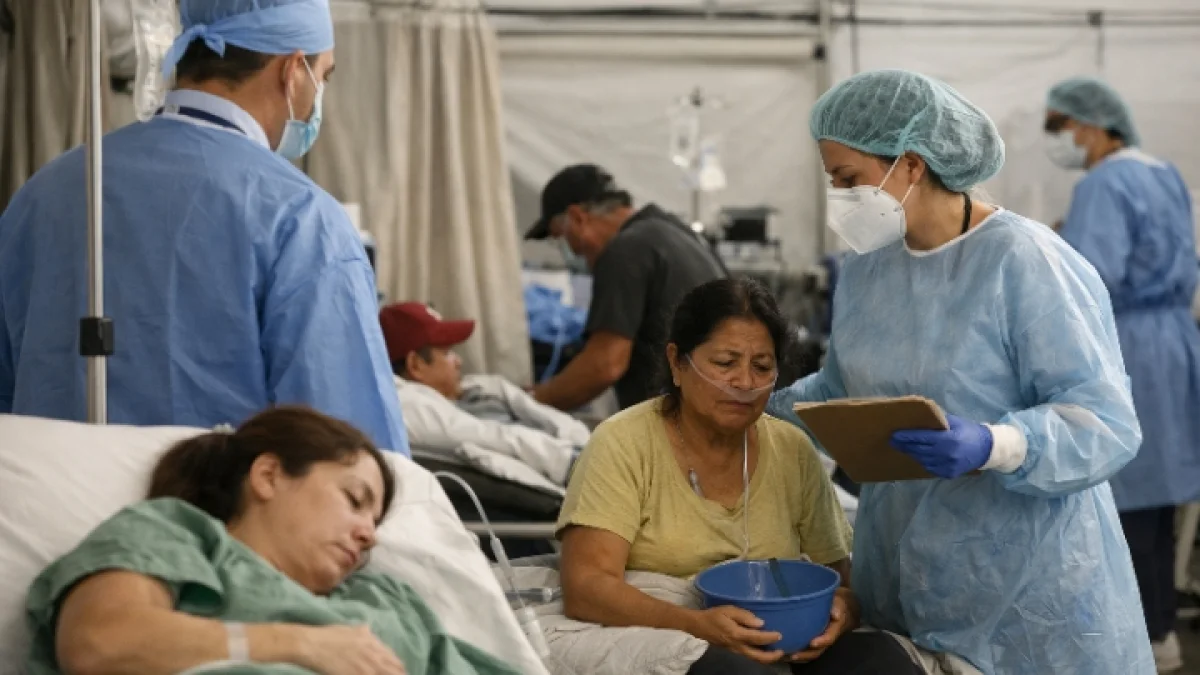
The June heatwave also exposed how quickly extreme weather can become a pressure test for public services. Hospitals and care systems faced higher demand, while authorities worked to issue warnings and protect vulnerable residents. In France, the surge in deaths was accompanied by a rise in deaths occurring at home and in healthcare and residential facilities, according to preliminary reporting. Such patterns make the human cost harder to see in real time and complicate efforts to establish the final toll.
The heat also claimed lives outside the traditional definition of heatstroke. Authorities across Europe reported drowning deaths as people sought relief in rivers, lakes and other bodies of water. France recorded at least 74 drowning deaths from June 18, according to reporting during the heatwave, while Poland reported 17 drownings in a single day during one period of extreme heat.
For health officials, the central challenge is that the threat is both immediate and cumulative. A person may survive one day of extreme heat but become increasingly vulnerable after several consecutive days of high temperatures, especially when nights remain unusually warm. The WHO has warned that the current summer's toll is still being counted and that further deadly heat may lie ahead.
The June episode was also exceptional in its timing. The World Meteorological Organization said western Europe experienced its hottest June on record in 2026. Scientists from the World Weather Attribution group said the heatwave would have been virtually impossible this early in the summer without the influence of human-caused climate change.
Europe has faced deadly heat before. The WHO estimates that about 61,672 heat-related excess deaths occurred during the summer of 2022, while the continent's 2003 heatwave was associated with roughly 70,000 deaths. What distinguishes the latest episode is the growing recognition that extreme heat is no longer an exceptional seasonal inconvenience but a recurring health emergency.
For families who have lost relatives, the final statistics may eventually provide a measure of the scale but little explanation for the individual loss. Public-health researchers, meanwhile, will continue refining the estimates as more mortality records become available.
The WHO says Europe is warming at roughly twice the global average rate and has urged countries to strengthen heat-health plans, improve protections for vulnerable people and prepare health and social-care systems for more frequent extreme events. The warning is becoming harder to separate from the numbers: as the heat returns, the people most at risk are often those least able to escape it.