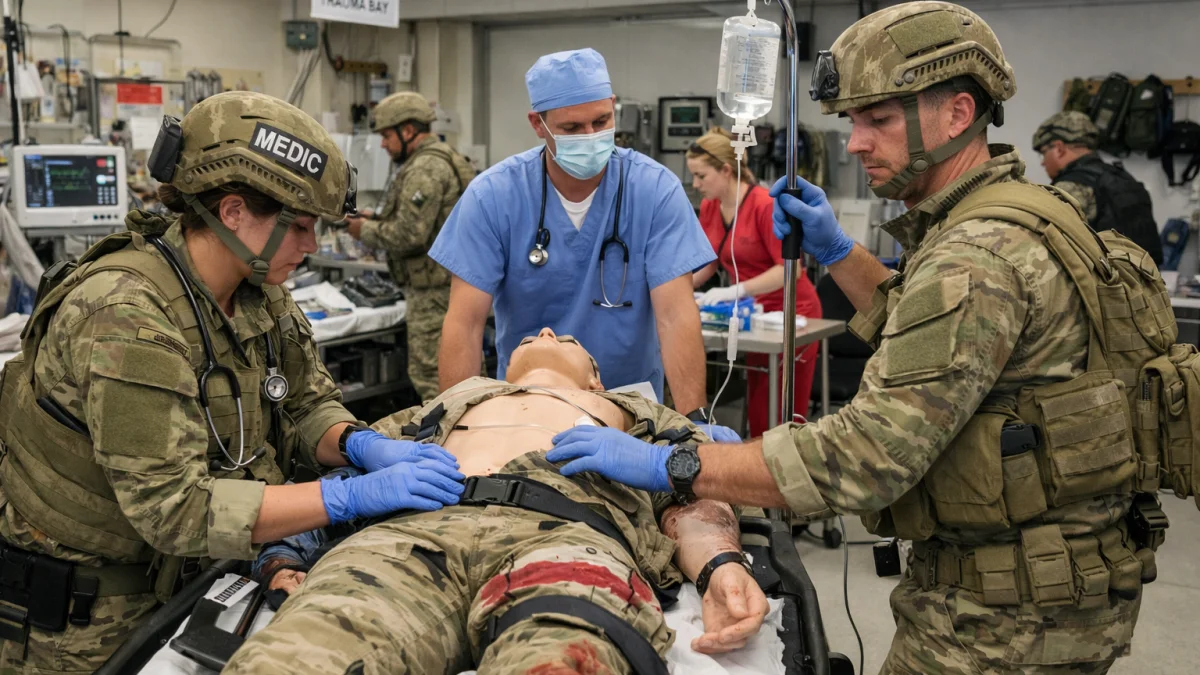
GENEVA — Medical teams across parts of the Middle East and neighboring regions are expanding emergency preparedness plans, pre-positioning trauma supplies and reviewing mass-casualty response procedures as authorities and humanitarian organizations brace for the possibility of additional conflict-related casualties amid renewed regional tensions.
The World Health Organization (WHO) said it is coordinating with national health ministries and partner agencies to strengthen readiness, including by stockpiling trauma kits, essential medicines and emergency medical supplies while supporting disease surveillance and maintaining critical public health services. The agency said preparations also include planning for possible large-scale injuries and population displacement should hostilities intensify.
WHO warned that insecurity and transport disruptions are complicating humanitarian operations, with restrictions affecting regional supply routes delaying the movement of medical equipment and medicines. The agency said more than 50 emergency health supply requests from countries in the region have been affected, while funding shortfalls continue to constrain emergency operations.
Humanitarian organizations said hospitals and frontline medical workers remain under severe pressure in conflict-affected areas. Médecins Sans Frontières (MSF) said it has adjusted medical activities in parts of Lebanon to maintain access to care where health infrastructure has been damaged, while continuing to assess evolving humanitarian needs. The organization said recent ceasefire announcements have provided only fragile relief and warned that uncertainty persists.
In a joint appeal issued earlier this year, the heads of WHO, the International Committee of the Red Cross (ICRC) and MSF urged governments and parties to armed conflicts to strengthen protection for health-care personnel, ambulances and medical facilities under international humanitarian law. They said attacks on health care continue to disrupt treatment, endanger patients and medical staff, and undermine humanitarian response efforts despite longstanding international legal protections.
Health officials have emphasized that emergency preparedness measures do not necessarily indicate that mass-casualty events are imminent but are intended to ensure hospitals can respond rapidly should conditions deteriorate. Such planning typically includes reviewing triage procedures, expanding blood supplies, coordinating ambulance services and reinforcing communication between civilian and emergency response agencies.
The latest preparations come as renewed military tensions in parts of the Middle East have heightened concerns about the potential humanitarian consequences of further escalation. International health agencies said they continue to monitor developments while working with governments and aid organizations to preserve essential medical services and ensure emergency resources can be deployed where needed if the security situation worsens.