WASHINGTON — Record-breaking heat and widespread heat alerts covered large parts of the United States over the July Fourth holiday weekend as millions of Americans attended Independence Day events under warnings from weather and public health officials about the risk of heat-related illness.
The National Weather Service said more than 185 million people were under heat advisories, watches or warnings across broad areas of the Midwest, Mid-Atlantic and Northeast as a powerful heat dome pushed temperatures and humidity to dangerous levels. Forecasters warned that heat index values could reach as high as 115 degrees Fahrenheit (46 degrees Celsius) in some locations, with unusually warm overnight temperatures providing little relief.
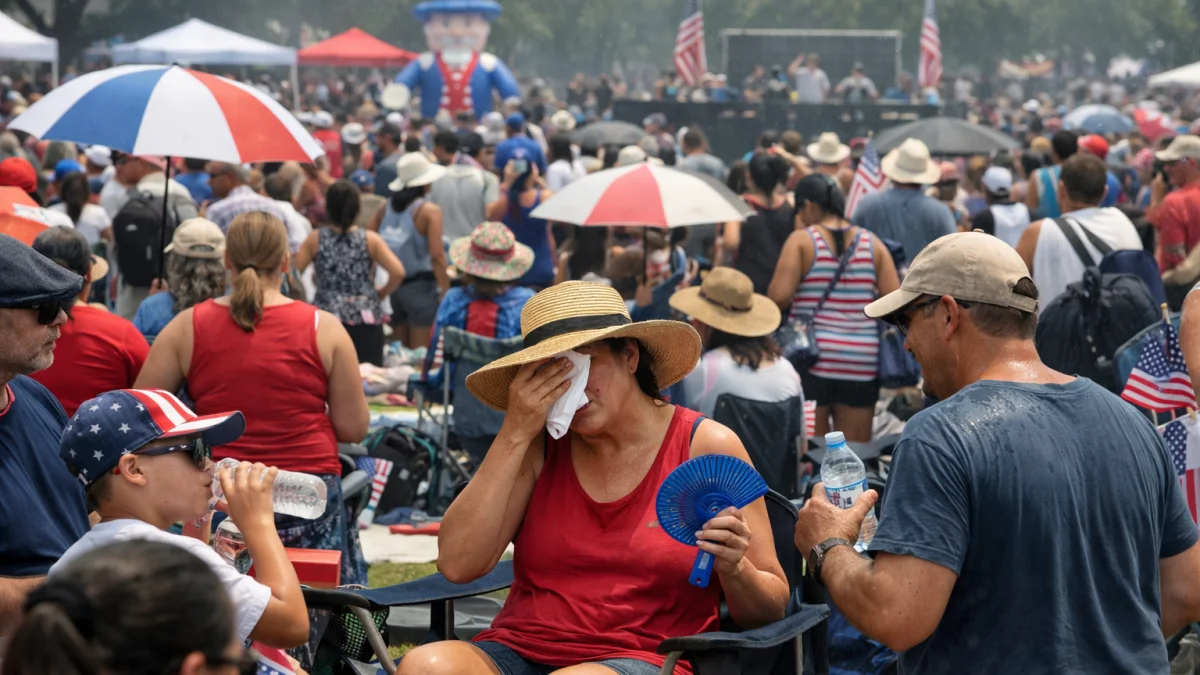
Despite the conditions, many Fourth of July celebrations marking the 250th anniversary of U.S. independence proceeded with additional safety measures, while some parades, concerts and fireworks displays were canceled, postponed or modified because of the extreme weather. Organizers in Washington temporarily closed the Great American State Fair on the National Mall during peak afternoon heat before reopening with cooling tents and misting stations. Several communities in Pennsylvania, Maryland and Virginia also altered holiday schedules because of safety concerns.
Federal, state and local officials urged residents to stay hydrated, avoid prolonged outdoor activity during the hottest hours of the day, seek air-conditioned spaces and check on older adults and other vulnerable people. Public health agencies warned that prolonged exposure to high temperatures could lead to heat exhaustion or life-threatening heat stroke, particularly for people with chronic medical conditions, outdoor workers and those without reliable access to cooling.
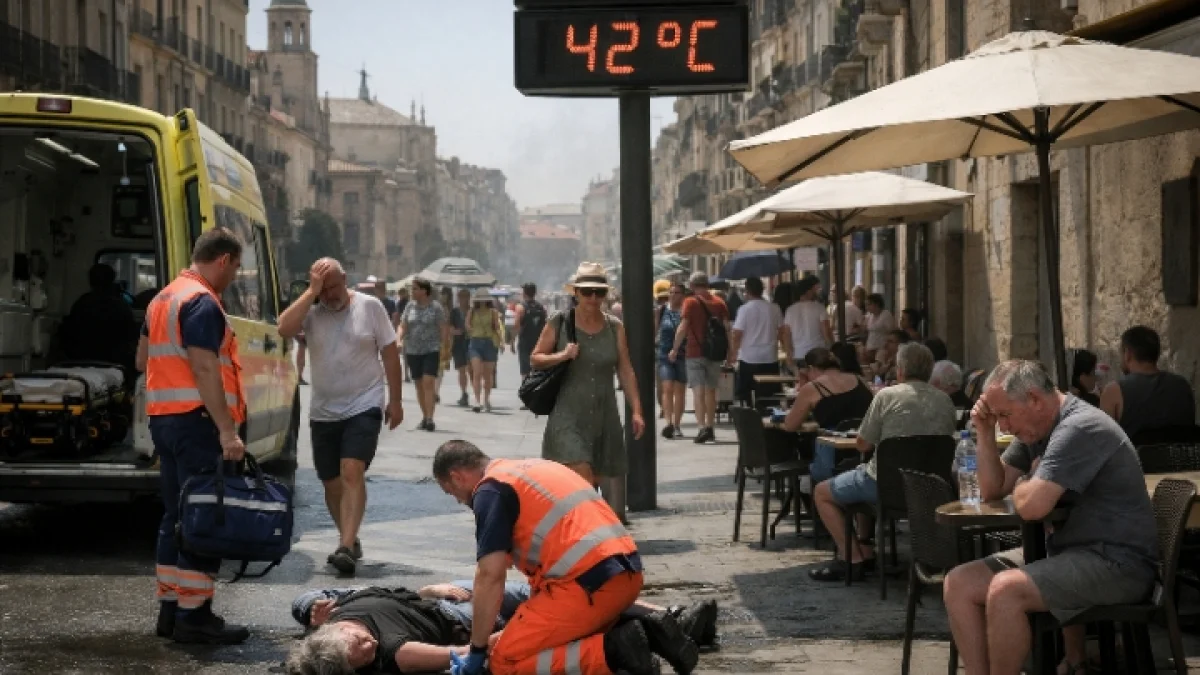
Emergency responders reported treating numerous people for heat-related illnesses at outdoor celebrations. Authorities in Washington said medical teams remained on standby throughout the holiday as large crowds gathered despite the extreme conditions. Later in the day, thunderstorms temporarily disrupted events in the capital, prompting brief evacuations before activities resumed.
Meteorologists said the heat wave broke or threatened daily temperature records in several major cities and stressed power systems as electricity demand for air conditioning surged. Forecasts indicated that cooler air would gradually spread into some northern areas after the holiday weekend, although dangerous heat was expected to persist across parts of the Mid-Atlantic and Southeast before easing.
Officials continued to advise residents to monitor local forecasts and heed heat warnings as emergency agencies assessed conditions following one of the hottest July Fourth holiday periods on record.