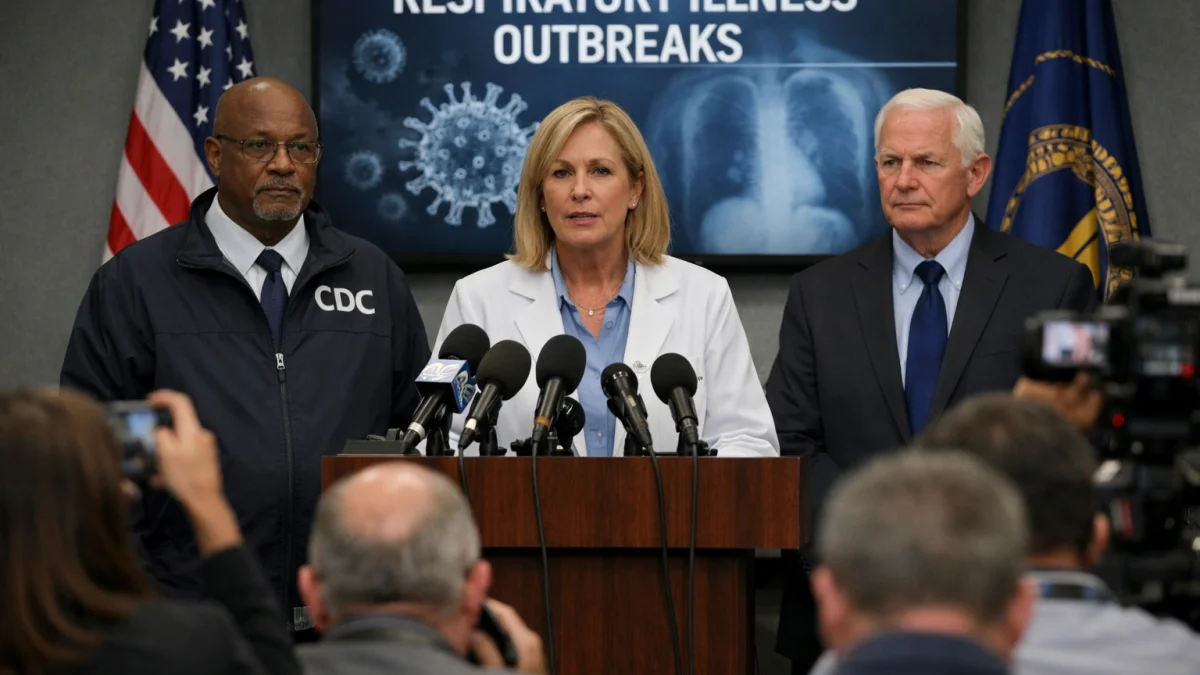
ATLANTA—Public health officials are urging continued vigilance against respiratory illnesses despite generally low levels of COVID-19, seasonal influenza and respiratory syncytial virus (RSV), citing the ongoing circulation of several other respiratory pathogens and the potential for localized outbreaks.
The U.S. Centers for Disease Control and Prevention (CDC) said in its latest weekly respiratory surveillance update that overall acute respiratory illness activity remains very low nationwide, with low levels of COVID-19, influenza and RSV. However, the agency reported elevated circulation of parainfluenza viruses, while human metapneumovirus and rhinovirus/enterovirus continue to circulate at higher-than-usual seasonal levels, although those trends have begun to decline.
Health authorities said the mix of respiratory viruses means people, particularly those at higher risk of severe illness, should continue taking preventive measures such as staying up to date with recommended vaccinations, practicing good hand hygiene, improving indoor ventilation where practical and staying home when sick. The CDC also advises people experiencing respiratory symptoms to consider wearing a mask to reduce transmission to others.
Globally, respiratory virus activity also remains relatively subdued, according to the World Health Organization's latest weekly assessment. WHO said SARS-CoV-2 activity remains low worldwide, while influenza activity is generally limited, although seasonal increases have been observed in parts of the Southern Hemisphere where the winter respiratory virus season is underway. RSV activity also remains low globally.
The Pan American Health Organization (PAHO), the WHO's regional office for the Americas, has nonetheless called on member states to strengthen surveillance and preparedness as influenza B activity has increased in some countries entering their respiratory virus season. PAHO warned that the co-circulation of influenza and RSV could increase demand for outpatient services, hospital care and intensive care beds, particularly among vulnerable populations.
Public health agencies said older adults, infants, young children, pregnant women and people with weakened immune systems or chronic medical conditions remain at greater risk of severe outcomes from respiratory infections.
Officials also stressed the importance of continued disease surveillance to identify unusual clusters or emerging pathogens quickly. Earlier this month, WHO published an update on a hantavirus outbreak linked to cruise ship travel, underscoring the need for clinicians and health authorities to remain alert for severe respiratory illnesses associated with uncommon pathogens.
Health authorities said they will continue monitoring respiratory virus trends through laboratory testing, emergency department data and other surveillance systems, with regular public updates as conditions evolve.