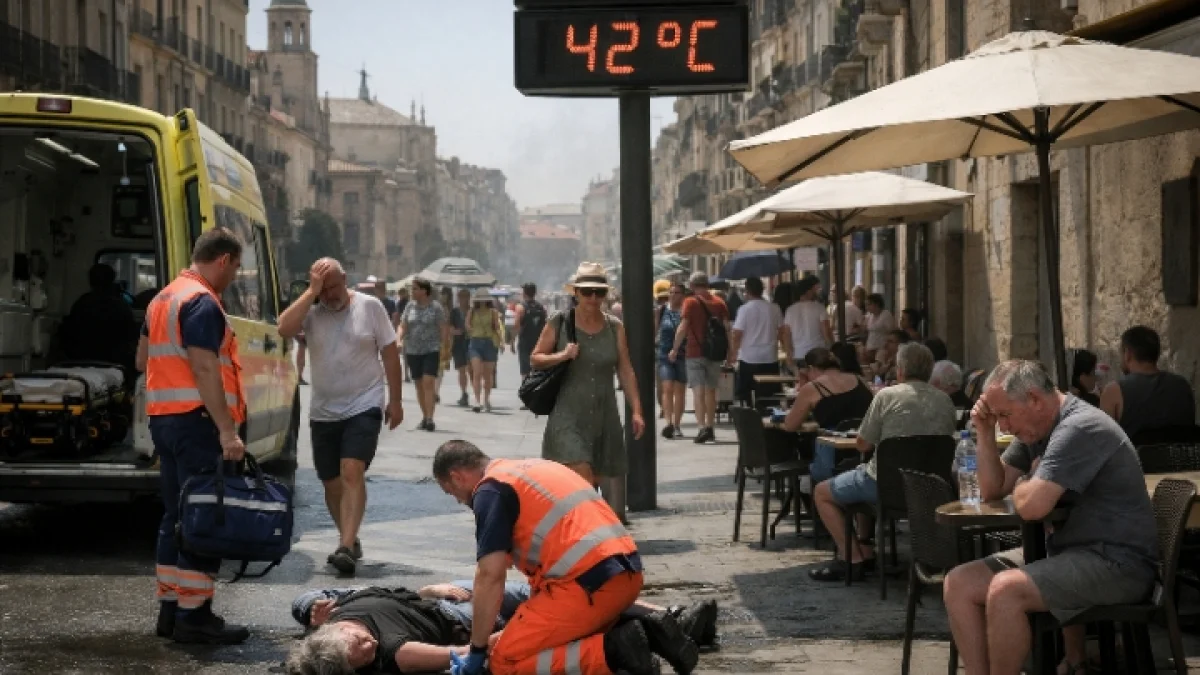
GENEVA—Hospitals in several regions are strengthening emergency preparedness plans as governments and health systems respond to growing geopolitical tensions that officials say could disrupt medical supply chains, strain emergency services and increase pressure on healthcare infrastructure.
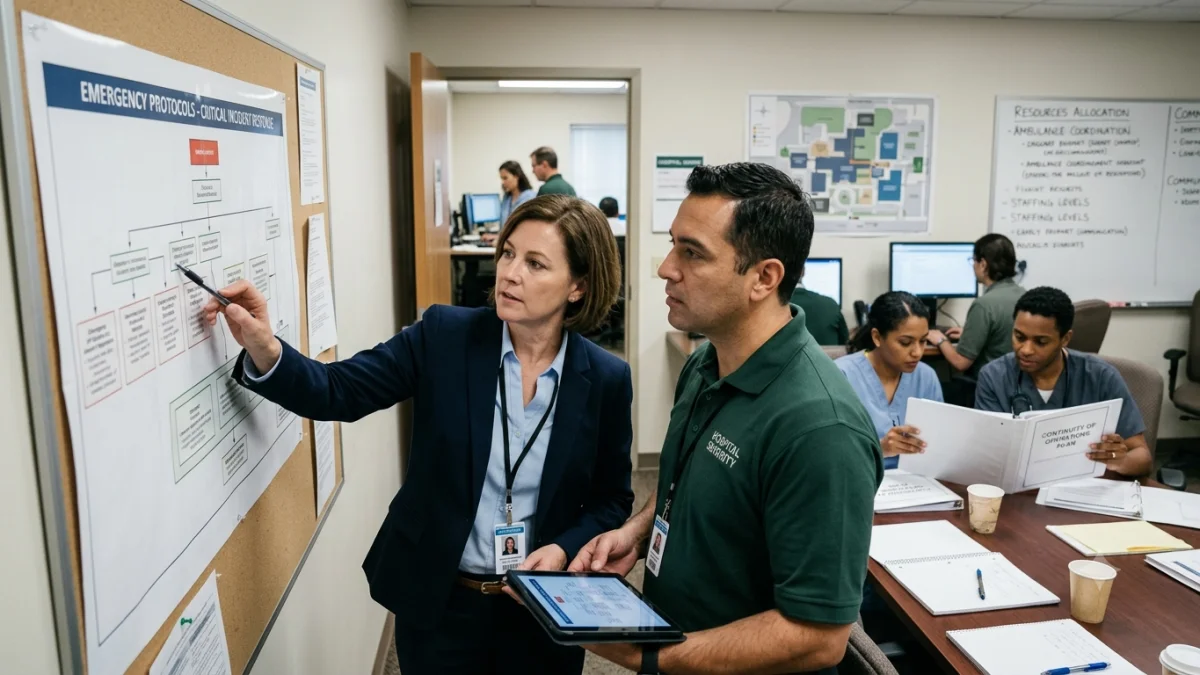
Health authorities and hospital operators have expanded contingency planning in recent months, citing risks ranging from armed conflict and cyberattacks to interruptions in the movement of medicines, fuel and medical equipment. The measures include reviewing emergency stockpiles, testing incident-response procedures, reinforcing communications systems and coordinating more closely with civil protection agencies, according to health officials and international organizations.
The World Health Organization has said countries should prepare for "all-hazards" health emergencies by strengthening health system resilience and maintaining essential services during crises. The agency said emergency preparedness should address threats including infectious disease outbreaks, chemical and radiological incidents, climate-related disasters and conflict, while ensuring hospitals remain operational during prolonged disruptions.
The renewed focus comes as conflicts in several regions have affected healthcare delivery and logistics. WHO said in March that conflict-related disruptions had delayed the movement of emergency medical supplies through its Dubai logistics hub, creating backlogs for aid shipments destined for multiple countries, while calling for protection of healthcare services and humanitarian access.
Hospital operators have also reported business and operational effects linked to geopolitical instability. IHH Healthcare, one of the world's largest private hospital groups, said last week that ongoing conflict in the Middle East had reduced patient arrivals from the United Arab Emirates and Saudi Arabia at some facilities in India and Singapore. Chief Executive Prem Kumar Nair said broader uncertainty, including supply chain pressures, underscored the importance of operational resilience across the group's international network.
International health agencies are encouraging hospitals to integrate emergency planning into routine operations rather than relying solely on crisis-specific responses. WHO regional offices and the Pan American Health Organization announced earlier this year a collaboration aimed at strengthening hospital resilience, saying facilities should remain capable of delivering essential care during disasters and other emergencies despite growing operational pressures.
Health officials said preparedness efforts remain focused on maintaining continuity of care, protecting healthcare workers and preserving access to critical medical services if geopolitical developments lead to further disruptions. WHO has continued to urge governments to invest in emergency workforce capacity, resilient health systems and coordinated preparedness as multiple global risks increasingly overlap.