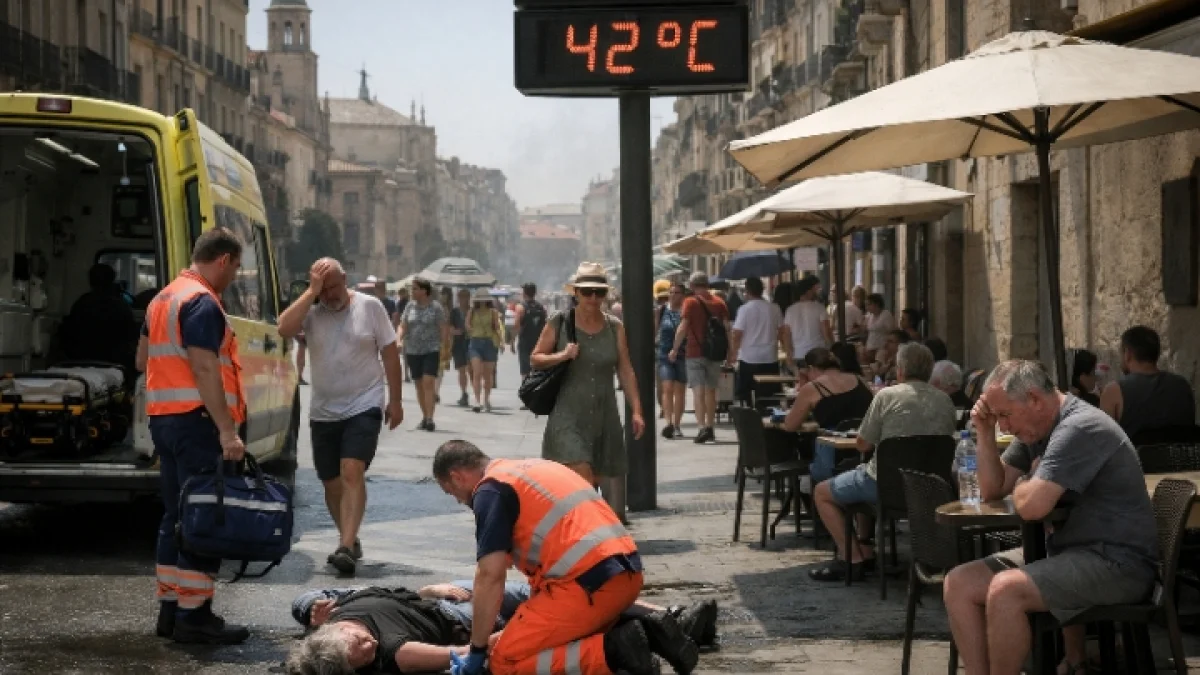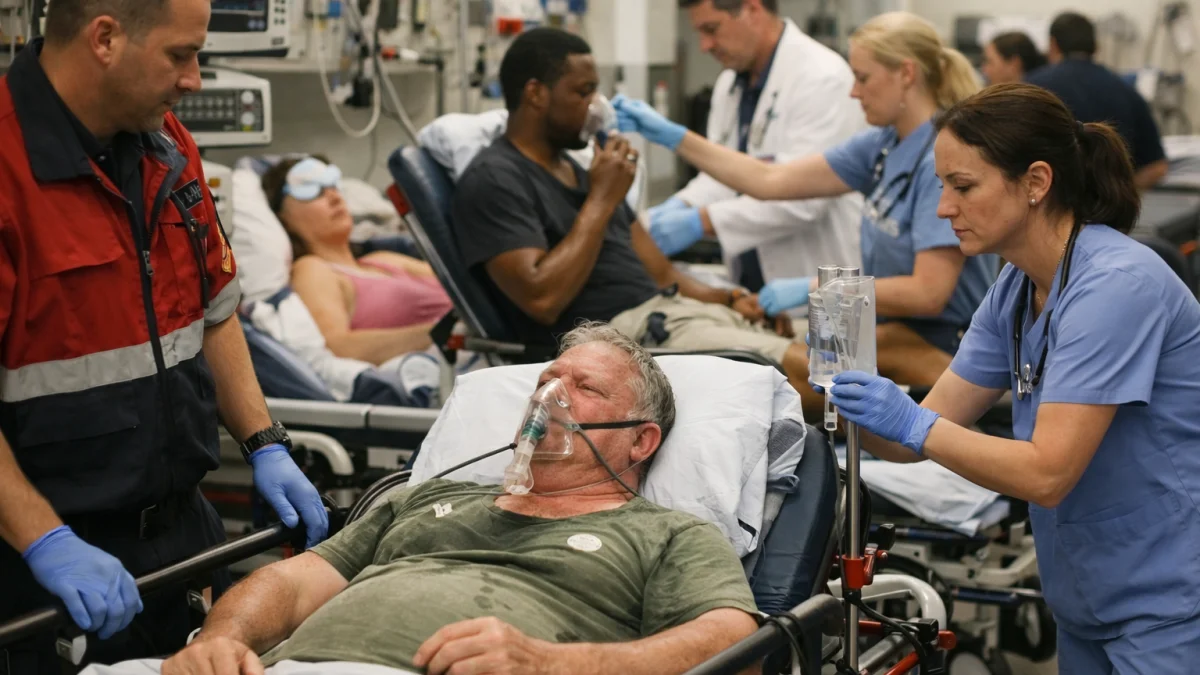
CHICAGO—Hospitals across parts of the U.S. Midwest and East Coast reported an increase in heat-related illnesses as a prolonged heat wave gripped the region ahead of the July 4 holiday, prompting health officials to urge residents to limit outdoor activity and seek relief from dangerous temperatures.
The surge in emergency department visits coincided with a sprawling heat dome that pushed temperatures into the upper 90s and above 100 degrees Fahrenheit in many areas, while humidity drove heat index values as high as 115 F (46 C) in some locations, according to the National Weather Service. More than 185 million people were under heat alerts across the central and eastern United States on Friday.
State and local health authorities said emergency medical personnel were treating growing numbers of patients suffering from heat exhaustion, dehydration and suspected heat stroke, particularly older adults, young children, people with chronic medical conditions, outdoor workers and those without reliable access to air conditioning. Officials warned that unusually warm overnight temperatures were providing little opportunity for recovery from daytime heat exposure.
In Pennsylvania, more than 100 people required medical attention for heat-related illnesses during a public event, triggering a mass-casualty response, according to local officials. In Connecticut, emergency crews airlifted a person in stable condition to a hospital after a suspected heat-related illness during extreme temperatures, authorities said.
Cities across the affected region expanded cooling centers, extended public pool hours, deployed mobile assistance teams and urged residents to stay hydrated, avoid strenuous outdoor activity during the hottest parts of the day and check on vulnerable neighbors. Chicago encouraged residents to use city services for welfare checks, while New York City opened hundreds of cooling centers and implemented additional heat-response measures.
The extreme weather also disrupted Independence Day celebrations. Authorities canceled or shortened parades, postponed concerts and modified outdoor events in several states because of the heat, while organizers in Washington temporarily closed portions of a major holiday festival before reopening with additional cooling measures.
Forecasters said the heat wave was expected to remain dangerous through the holiday weekend across much of the Midwest and East Coast before conditions gradually eased in some areas early the following week. Health officials continued to advise residents to recognize the signs of heat-related illness and seek immediate medical attention if symptoms of heat stroke, including confusion, loss of consciousness or extremely high body temperature, developed.