GAZA CITY — Humanitarian access into the Gaza Strip has shown limited improvement in recent weeks following months of severe restrictions, but United Nations agencies say the increase remains insufficient to meet the needs of the territory's population as conflict, displacement and logistical obstacles continue to hamper relief operations.
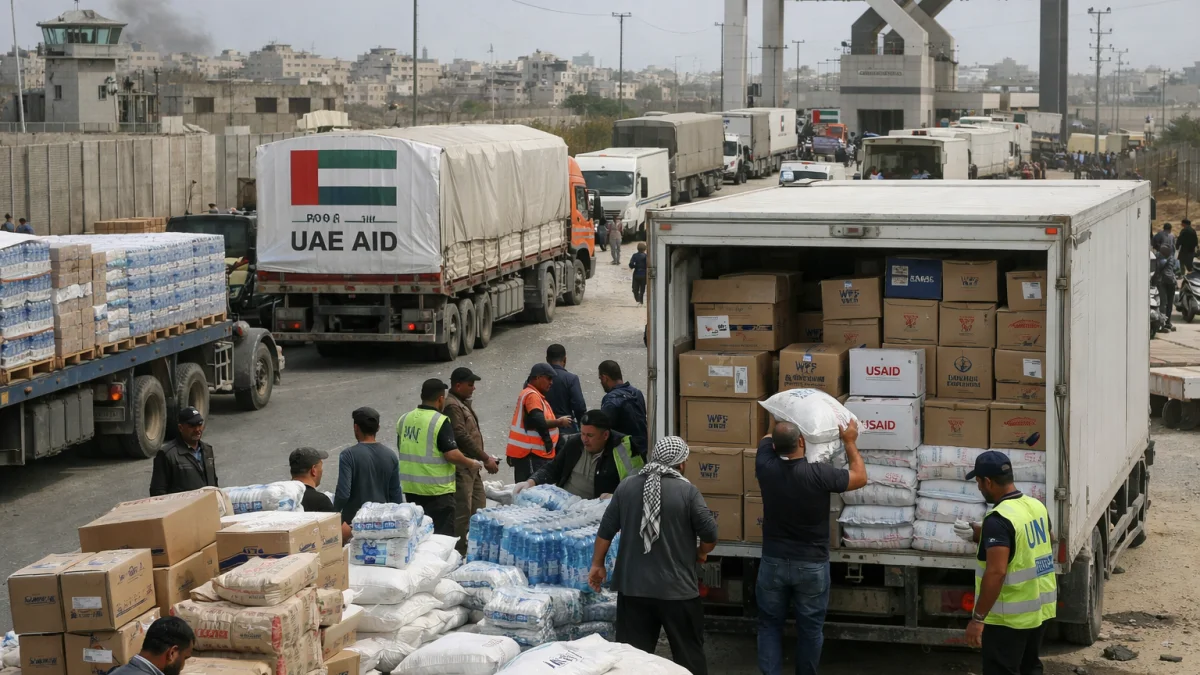
The UN Office for the Coordination of Humanitarian Affairs (OCHA) said aid agencies have been able to collect food, fuel and other supplies through the Kerem Shalom crossing, though all other cargo crossings remain closed and restrictions on many categories of goods continue to constrain deliveries. UN data showed the volume of humanitarian supplies entering Gaza declined in June compared with May, despite recent efforts to facilitate additional movements.
Humanitarian officials said some operational procedures have become more predictable in recent days, allowing a modest increase in the movement of certain aid shipments. However, they stressed that access remains well below what is required to address widespread food insecurity, shortages of medicines and fuel, and damage to water and sanitation systems.
"Humanitarian needs continue to outpace the assistance that can be delivered," OCHA said in its latest situation report, citing ongoing access restrictions, funding shortages and insecurity affecting aid operations.
The World Health Organization and Health Cluster partners said they continue to support disease surveillance, infection prevention measures and the delivery of essential medical supplies. Nevertheless, damaged health facilities, limited fuel supplies and shortages of specialized equipment continue to disrupt healthcare services across Gaza.
Aid organizations also reported that repeated displacement and military activity have complicated the distribution of assistance once supplies enter the territory. OCHA said humanitarian operations face delays because of movement restrictions, while security incidents have increased risks for aid workers and transport convoys.
Earlier this week, the UN's senior humanitarian official for the occupied Palestinian territory, Ramiz Alakbarov, accused Hamas of interfering with humanitarian operations, citing incidents involving armed men at aid distribution sites. Hamas rejected the allegation, saying the reported actions were aimed at preventing smuggling rather than obstructing relief efforts.
The humanitarian situation remains critical more than two years after the war began in October 2023. Most of Gaza's residents have been displaced at least once, according to the United Nations, and many continue to live in temporary shelters or damaged buildings while relying on humanitarian assistance.
UN agencies have called for sustained, safe and unimpeded humanitarian access, saying further improvements in aid delivery will depend on expanded access routes, fewer operational restrictions and improved security conditions for relief workers and civilians alike.