GAZA — Hospitals across the Gaza Strip warned on July 10 that rapidly dwindling fuel supplies were pushing critical medical services toward collapse, as United Nations agencies cautioned that health facilities risked becoming unable to sustain life-saving operations without immediate and sustained deliveries of fuel.
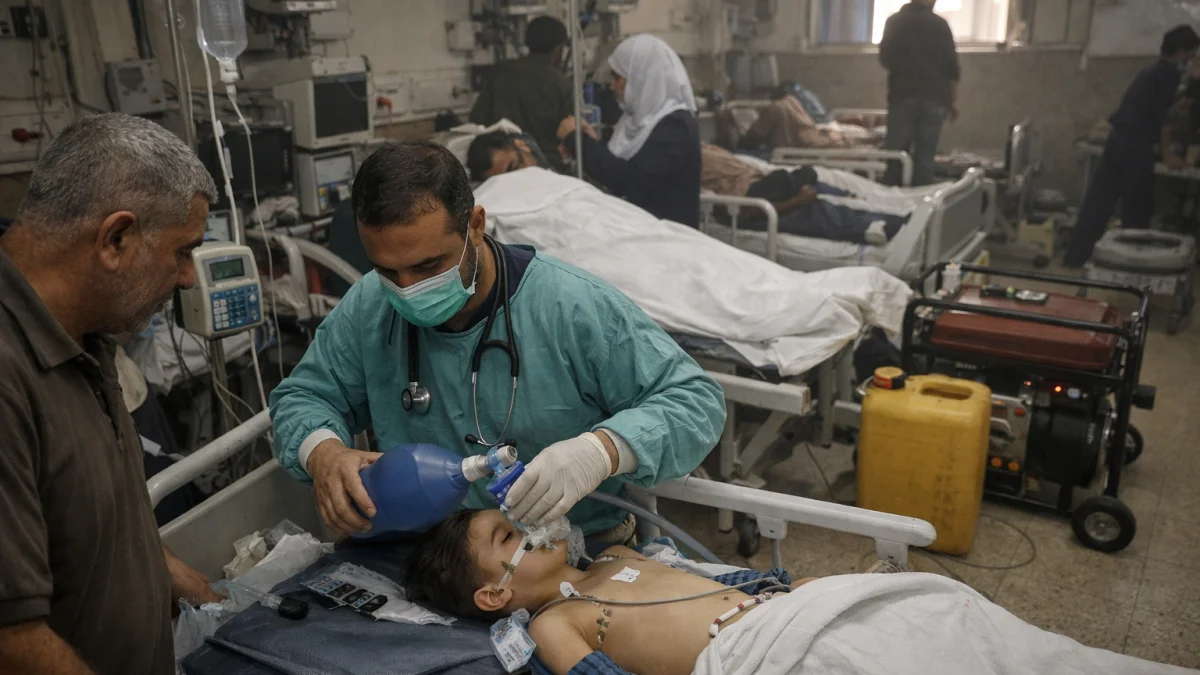
Doctors at Al Shifa Hospital, Gaza's largest medical complex, said the facility had already shut its dialysis unit to conserve electricity for intensive care units and operating rooms. Hospital director Dr. Mohammed Abu Salmiya said more than 100 premature babies in incubators and around 350 kidney dialysis patients were at immediate risk if generators stopped operating. He warned that without fuel, the hospital "will cease to be a place of healing and will become a graveyard for those inside," according to remarks reported by Reuters.
Officials at Nasser Medical Complex in Khan Younis also warned that the hospital was nearing a complete shutdown despite efforts to ration electricity by limiting power to intensive care, maternity, neonatal and operating departments. The hospital said remaining generator fuel was expected to last only about one day, placing patients dependent on ventilators at immediate risk if power failed.
The United Nations said the fuel crisis threatened not only hospitals but also water production, sanitation systems, ambulances and humanitarian relief operations throughout the enclave. UN agencies said fuel remained essential for maintaining healthcare, transporting aid and operating bakeries that supply food to displaced civilians.
According to the UN, a limited shipment of fuel recently entered Gaza after months without deliveries, but agencies said the amount represented only a fraction of daily humanitarian requirements and was insufficient to sustain essential services. They urged Israeli authorities to allow regular and significantly larger fuel deliveries to prevent further deterioration of humanitarian conditions.
The Israeli military has previously said fuel deliveries for humanitarian purposes have been permitted under coordinated arrangements, while distribution inside Gaza is handled by UN agencies. Reuters reported that it could not independently verify how much of the fuel reached individual hospitals.
The fuel shortage comes as Gaza's health system continues to operate under severe strain after nearly two years of conflict. The World Health Organization has said fewer than half of the territory's hospitals remain even partially functional, with shortages of medicines, medical supplies and electricity compounding the challenges facing healthcare workers.