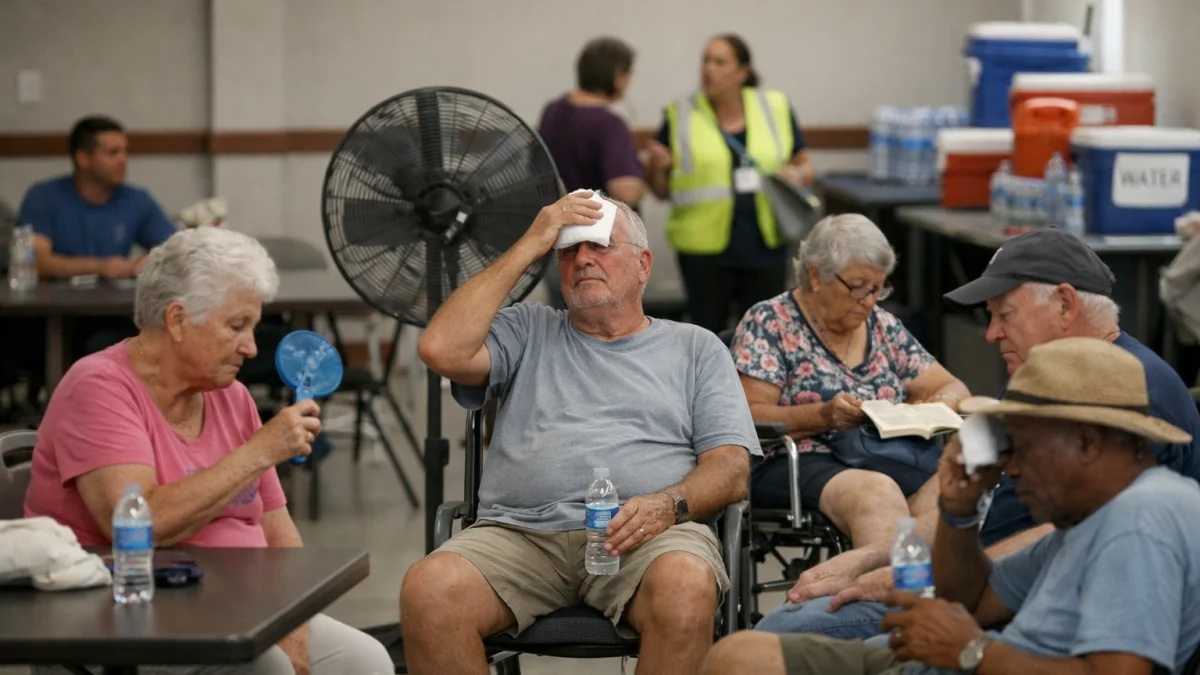
The line formed quietly before midday, long before the afternoon heat reached its peak. Residents stepped into libraries, recreation centers, senior centers and other public buildings that had been converted into cooling centers as temperatures climbed into dangerous territory across large stretches of the United States during the week leading into the Fourth of July holiday.
For many, the air-conditioned rooms offered more than relief from the weather. They provided a place to escape homes without adequate cooling, avoid mounting electricity costs or simply rest safely through the hottest hours of the day. City officials stocked water, extended operating hours and urged neighbors to check on older adults, people with disabilities and anyone living alone as forecasters warned that prolonged exposure could quickly become life-threatening.
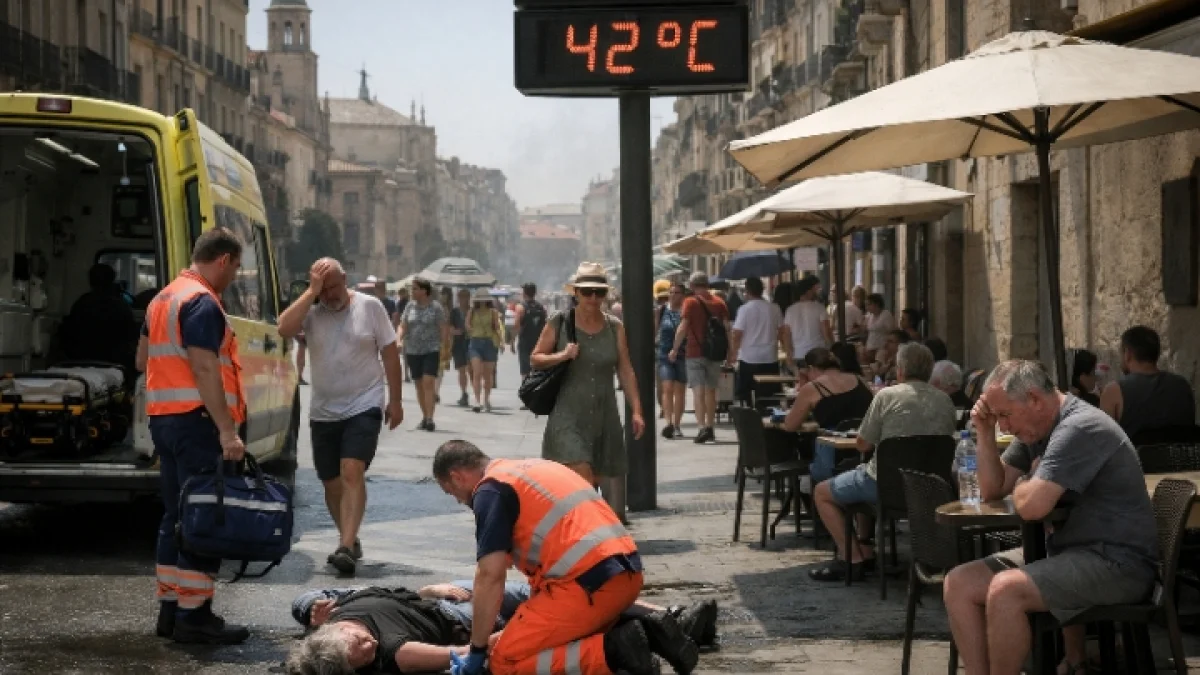
The scenes playing out across community buildings reflected a broader shift in how cities respond to extreme heat, one of the deadliest weather hazards in the United States. As a powerful heat dome settled over the central and eastern states in early July 2026, more than 185 million people fell under heat alerts, prompting emergency measures that ranged from opening cooling centers and hydration stations to adding misting tents at public celebrations and expanding medical support for outdoor events.
In New York City, officials declared a heat emergency as forecasts called for temperatures approaching or exceeding 100 degrees Fahrenheit, levels rarely recorded there in recent years. Hundreds of cooling centers opened across the city, while public pools extended their hours and mobile assistance teams reached out to vulnerable residents. Mayor Zohran Mamdani also announced longer hours for public swimming pools and cooling centers as officials sought to reduce the health risks posed by extreme heat during one of the busiest travel weekends of the year.
Elsewhere, communities adapted according to local needs. Atlanta opened a dedicated cooling center and established 30 hydration stations at fire stations where residents could obtain drinking water. In parts of Michigan, libraries, senior centers and community facilities welcomed residents seeking refuge as heat index values climbed above 105 degrees Fahrenheit. Across the Midwest, summer camps and outdoor activities were postponed or canceled while local governments encouraged people to remain indoors whenever possible.
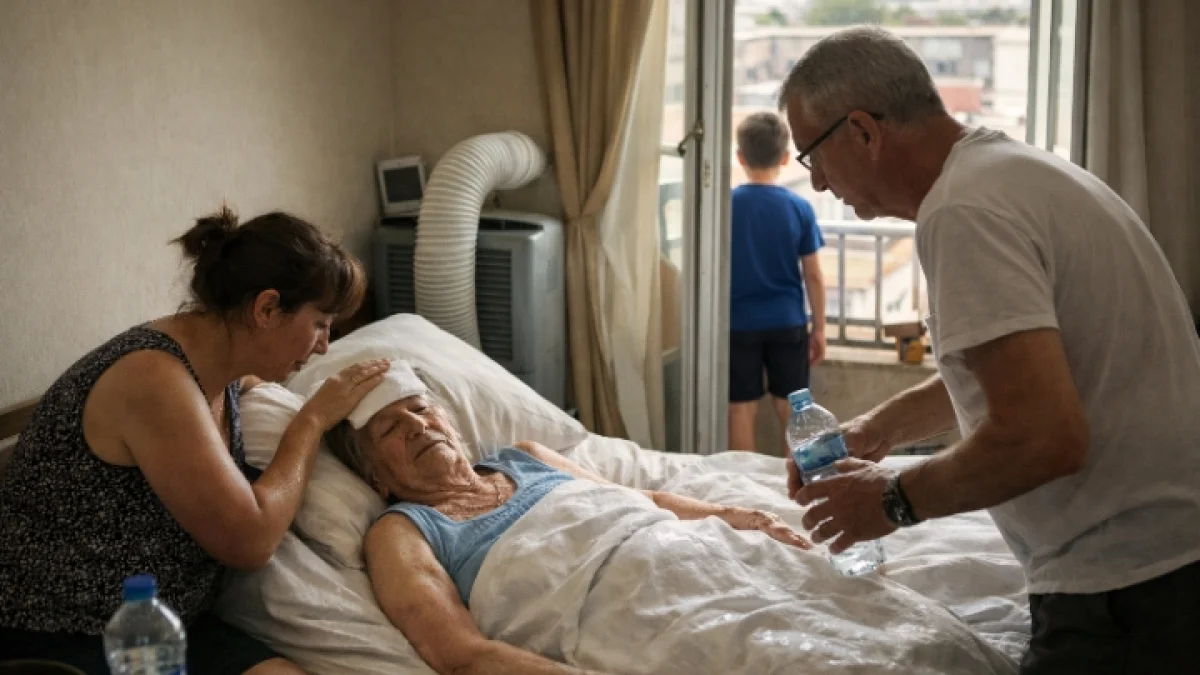
Public health officials have long warned that heat-related illness develops quickly, particularly among older adults, infants, people with chronic medical conditions, outdoor workers and those without reliable air conditioning. Unlike hurricanes or tornadoes, dangerous heat often arrives without visible destruction, yet it consistently ranks among the nation's deadliest weather events because prolonged high temperatures place severe stress on the human body.
The challenge has become more complex as periods of extreme heat grow more frequent and more intense. Researchers and emergency planners increasingly describe cooling centers as critical public infrastructure, especially in neighborhoods where older housing, limited tree cover and large expanses of pavement amplify temperatures through the urban heat island effect. Reuters reported this week that asphalt and concrete surfaces can become dramatically hotter than surrounding air, intensifying risks for residents in densely built neighborhoods.
The heat wave also tested systems beyond public health. Electricity demand surged as millions relied on air conditioning simultaneously, raising concerns about strain on regional power grids. Utilities urged customers to conserve electricity during peak hours, while some jurisdictions asked businesses and households to reduce consumption to help maintain reliable service. Those warnings underscored why cooling centers remain indispensable for residents worried about blackouts or unable to afford continuous air conditioning.
The timing of the heat wave added another layer of difficulty. Millions of Americans were expected to travel for Independence Day celebrations marking the country's 250th anniversary, even as officials urged caution. Organizers across several states canceled or postponed parades, concerts and fireworks displays because of the dangerous conditions. In Washington, cooling tents and misting stations became part of preparations for major public events as authorities sought to balance celebration with public safety.
Experts say community cooling spaces serve another purpose that extends beyond temperature control. They create opportunities for outreach workers, volunteers and public agencies to connect with residents who may otherwise remain isolated during emergencies. Welfare checks, transportation assistance and information about available services often accompany the opening of cooling centers, particularly for older residents and people experiencing homelessness. Chicago officials, for example, encouraged residents to check on neighbors and offered welfare checks through the city's 311 system as temperatures climbed.
At the same time, researchers argue that cooling centers alone cannot address the underlying challenges posed by rising temperatures. Urban planners and climate scientists increasingly advocate expanding tree cover, improving building design, adding reflective roofing and investing in infrastructure that keeps homes cooler even during power outages. Such measures, they say, complement emergency responses while helping communities adapt to more frequent extreme heat events.
As another afternoon of dangerous temperatures settled over much of the country, the doors to cooling centers remained open. Inside, the atmosphere contrasted sharply with the sweltering streets outside: a place where residents could drink water, sit in air-conditioned rooms and wait for the most dangerous hours to pass.
For local governments confronting another summer of record-breaking temperatures, those public spaces have become an increasingly familiar part of emergency response. For many residents, they have become something more enduring—a dependable refuge when remaining at home is no longer the safest option.