BLACKSBURG, Virginia — Tiny plastic particles in drinking water may strengthen bacterial biofilms and make potentially harmful microbes more resistant to disinfection, according to a new study that researchers say could pose additional challenges for water treatment systems.
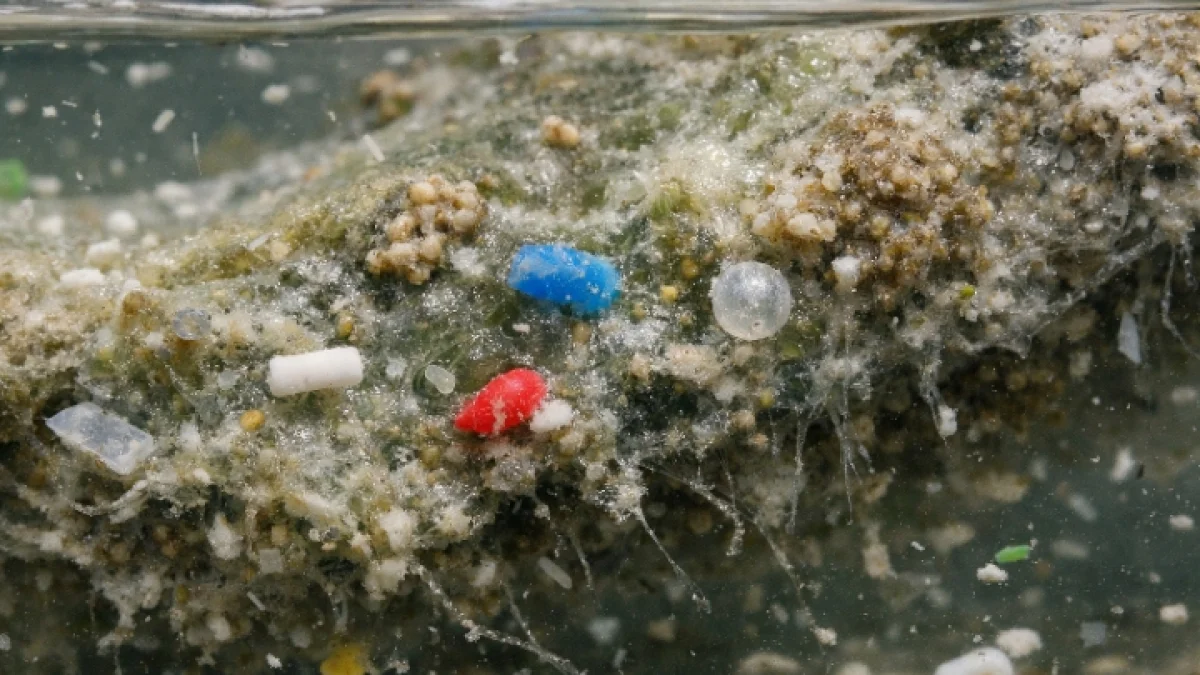
The research, published in the peer-reviewed journal Water Research and led by scientists at Virginia Tech with international collaborators, found that nanoplastics altered interactions between bacteria and viruses known as bacteriophages within biofilms, resulting in thicker, mechanically stronger microbial communities that were harder to eliminate with disinfectants.
Biofilms are layers of microorganisms that attach to surfaces such as the inside of drinking water pipes. While many biofilms are harmless or beneficial, some can harbor disease-causing bacteria and complicate efforts to maintain safe drinking water.
Lead author Jingqiu Liao, an assistant professor of civil and environmental engineering at Virginia Tech, said the findings suggest nanoplastics may create indirect public health risks by helping antimicrobial-resistant pathogens survive in water systems.
“The nanoplastics can make the antimicrobial-resistant pathogens better survive,” Liao said in a statement released by the university, adding that understanding environmental effects is important because they can ultimately influence human health.
The researchers examined mixed biofilms containing Escherichia coli and Pseudomonas aeruginosa. They reported that exposure to nanoplastics triggered multiple biological responses, including enhanced bacterial communication, activation of dormant viruses within bacteria, and stronger antiviral defenses. Together, those changes increased the biofilm's structural resilience and resistance to chemical disinfectants.
The authors said tougher biofilms could make it more difficult for water utilities to remove microbial growth from treatment and distribution infrastructure, although they noted that additional studies are needed to determine how the findings apply to more complex real-world drinking water systems.
Nanoplastics, generally defined as plastic particles measuring between about one and 1,000 nanometers, have become an increasing focus of environmental and health research because they are widespread in water, food and air and may interact with living organisms in ways that are not yet fully understood.
The study adds to a growing body of research examining links between plastic pollution and microbial behavior. Previous studies have suggested that plastic surfaces can promote biofilm formation and contribute to increased tolerance to antibiotics or disinfectants in some bacteria, although researchers continue to investigate the underlying mechanisms and their implications for public health.
The authors said future research will examine how different types and sizes of plastic particles influence microbial communities and whether similar effects occur across more diverse water systems.