COPENHAGEN — European health officials have reported a sharp rise in heat-related deaths following the record-breaking heatwave that swept across much of Western Europe in late June, with preliminary monitoring data showing more than 10,000 excess deaths, most of them among older people.
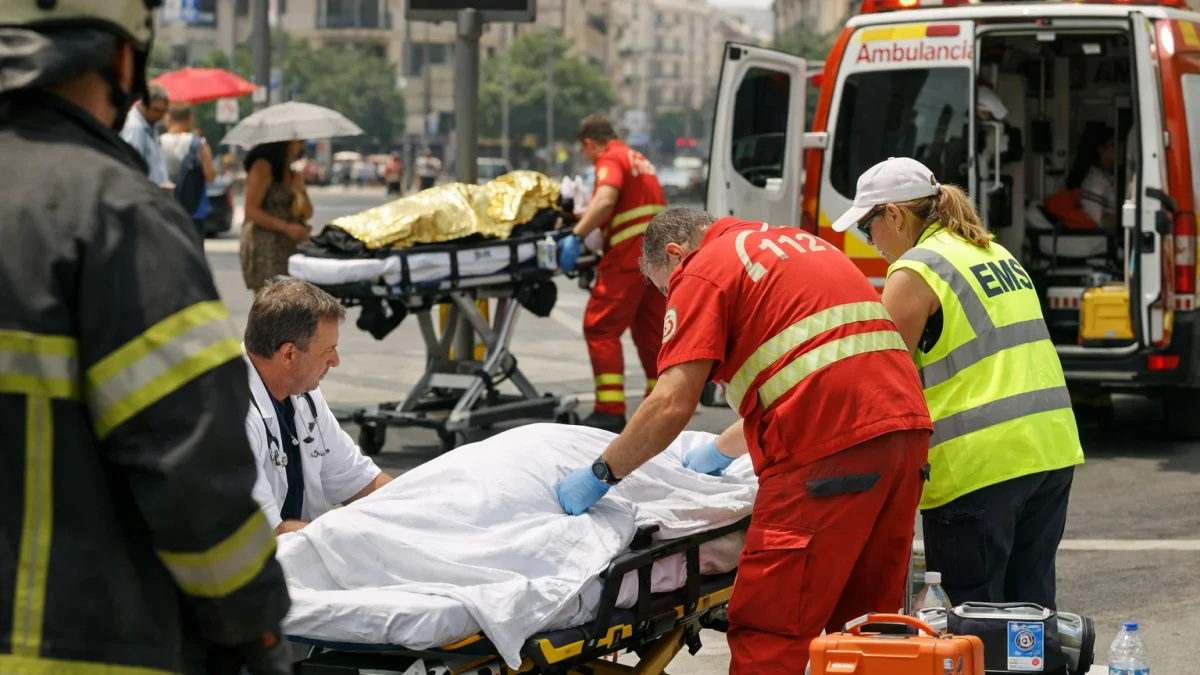
The figures, published by the European mortality monitoring network EuroMOMO and supported by the European Centre for Disease Prevention and Control and the World Health Organization (WHO), showed more than 10,650 excess deaths during the week of June 22–28, when temperatures climbed above 40 degrees Celsius in several countries. More than 9,000 of those deaths were recorded among people aged 65 and older, according to the data.
Health experts said the timing and scale of the increase were highly unusual for early summer and were consistent with the severe heat experienced across the region.
"It is difficult to explain this high excess mortality by anything but the extreme heat," Lasse Vestergaard, chief physician at Denmark's Statens Serum Institut, which hosts EuroMOMO, said after the data were released.
Extreme heat can be fatal by triggering heat stroke or worsening cardiovascular and respiratory illnesses, with older adults and people with underlying health conditions facing the greatest risks.
The WHO Regional Office for Europe said this summer's toll was still being assessed but warned that evidence from five countries alone already pointed to nearly 10,000 heat-related excess deaths. The agency described Europe as the world's fastest-warming region and said rising temperatures were placing growing pressure on health systems and other essential services.
WHO Regional Director for Europe Dr. Hans Henri P. Kluge said heat-related deaths had increased by about 30% over the past two decades, while more than 200,000 people had died from heat across the region during the last four years. He urged governments to strengthen early warning systems, expand access to cooling and drinking water, protect vulnerable populations, and prepare healthcare services before temperatures peak.
The heatwave also disrupted infrastructure across Europe. High temperatures reduced electricity generation at several French nuclear facilities because of warm cooling water and low river levels, while drought conditions intensified in parts of the continent.
Scientists have said the late-June heatwave would have been virtually impossible without human-induced climate change, which is increasing the frequency and intensity of extreme heat events. European and national health authorities said they would continue monitoring mortality data as additional reports become available and urged the public to follow heat-health advisories during further periods of extreme temperatures expected this summer.