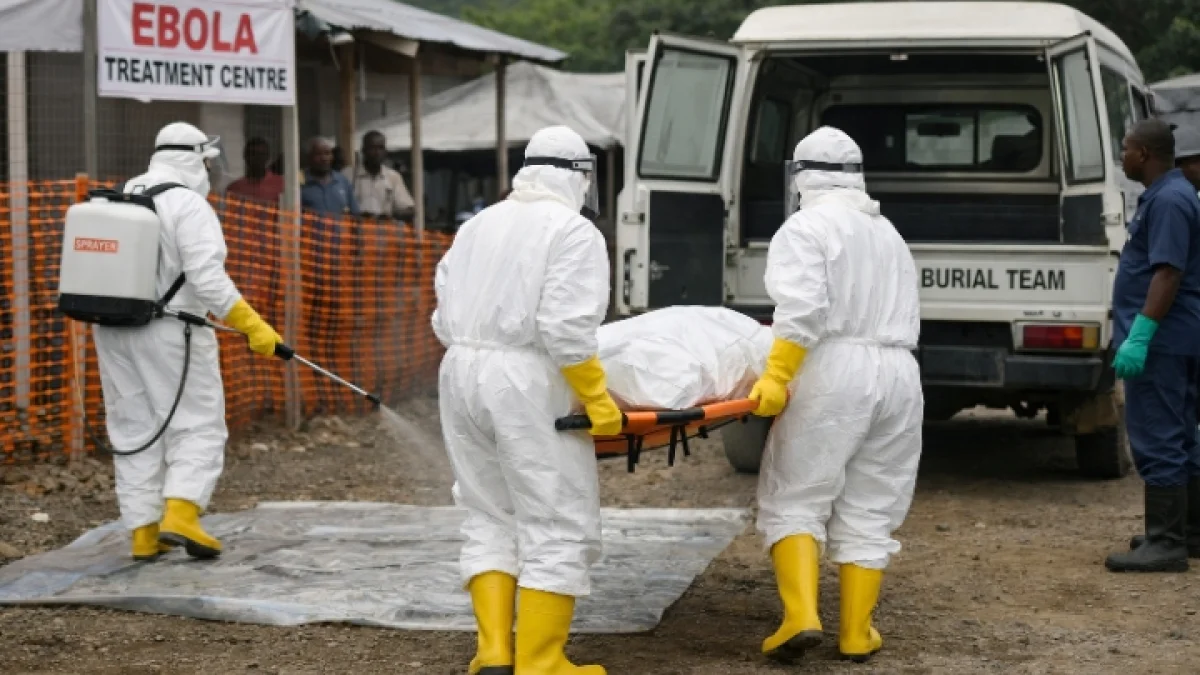
KINSHASA — The death toll from an Ebola outbreak in the Democratic Republic of Congo has surpassed 1,000, according to figures reported by Congolese health authorities, as the disease continues to spread in the country's east and strains efforts to contain it.
The outbreak, caused by the Bundibugyo ebolavirus, has recorded 2,473 confirmed cases and 999 confirmed deaths as of Wednesday, according to Congo's public health institute, with the latest figures indicating the fatality count has since crossed the 1,000 mark. The figures represent confirmed cases and deaths and may not capture the full scale of the outbreak.
The surge has been concentrated in the eastern provinces of Ituri and North Kivu, where health authorities have reported persistent transmission despite efforts to identify cases, trace contacts and isolate patients. The World Health Organization said in its latest detailed update, dated July 17, that 2,124 confirmed cases and 828 deaths had been recorded in Congo as of July 15, with the increase partly reflecting expanded surveillance, testing and diagnostic capacity.
The outbreak has also spread beyond Congo. WHO said a total of 2,145 confirmed cases had been reported across Congo, Uganda and France as of its July 17 update, with 830 deaths recorded, including two in Uganda. Uganda had reported no new cases since June 21 and had begun the enhanced surveillance period required before an outbreak can be declared over.
WHO declared the outbreak a public health emergency of international concern on May 17, after Congo and Uganda announced outbreaks involving the Bundibugyo virus. It is Congo's 17th Ebola outbreak since the virus was first identified in the country in 1976, according to WHO.
The response has faced significant operational challenges, including insecurity and difficulties accessing affected communities. WHO has said the scale-up of surveillance and diagnostic capacity has contributed to sharp increases in reported case and death figures as previously unidentified infections are detected.
The Bundibugyo virus is distinct from the Zaire ebolavirus responsible for earlier major outbreaks, including the 2014-2016 West Africa epidemic. Health authorities and international partners continue to coordinate surveillance, treatment, infection prevention and preparedness measures as transmission remains active in Congo.
The latest official WHO update said cases had been reported across 46 health zones in five Congolese provinces, with 38 of those zones still considered active as of July 15. WHO and Congolese authorities continue to monitor the outbreak and expand response operations.