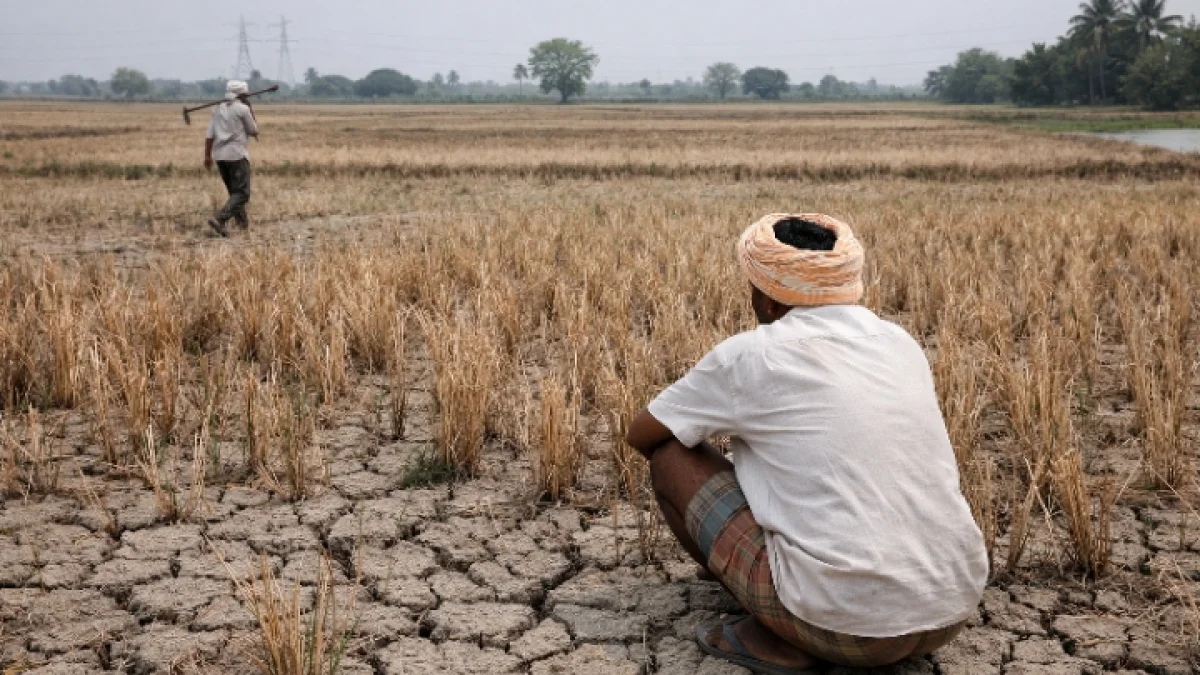
NEW DELHI—India's agricultural import bill could rise in the current financial year if weak and uneven monsoon rains reduce domestic production of key food and oilseed crops, prompting higher overseas purchases to stabilize supplies, according to government assessments and market analysts.
The southwest monsoon has remained below normal in several major agricultural regions, delaying the sowing of rain-fed kharif crops including soybean, cotton and coarse grains. The India Meteorological Department has forecast subdued rainfall across parts of western and southern India during a critical phase of the growing season, while officials have warned that an emerging El Niño pattern could continue to affect rainfall distribution.
Analysts said weaker domestic harvests could increase imports of edible oils, pulses and other agricultural commodities if production falls short of demand. India is already one of the world's largest importers of edible oils, making domestic output particularly sensitive to weather-related disruptions.
The Ministry of Agriculture and Farmers' Welfare has said it is implementing contingency measures, including distributing short-duration crop varieties, maintaining seed reserves and coordinating with state governments to reduce the impact of uncertain rainfall. Officials have also expanded monitoring of vulnerable districts and encouraged farmers in affected regions to shift to crops requiring less water where appropriate.
The Reserve Bank of India has identified deficient monsoon conditions as a key risk to food inflation, noting that lower farm output could push up prices of agricultural commodities and influence the broader inflation outlook. Economists said higher food imports could help moderate domestic shortages but would increase import costs and expose buyers to international price volatility.
Industry researchers have also warned that June's rainfall deficit and slower kharif sowing have increased downside risks for agricultural growth. According to ICRA, rainfall outcomes during July remain critical because the month accounts for a substantial share of seasonal precipitation and crop planting.
The government has not announced any revision to its official agricultural import projections but has said it is closely monitoring rainfall, reservoir levels and sowing progress. Future import requirements will depend on how the remainder of the monsoon season develops and the final size of this year's harvest, officials said.