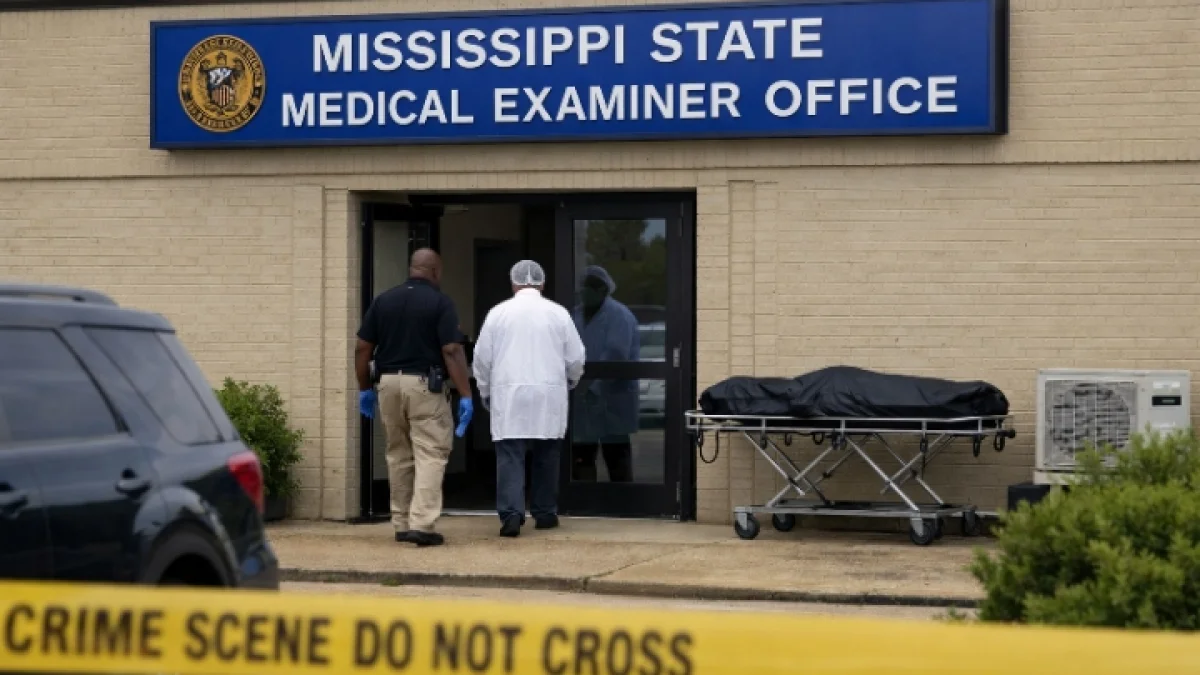
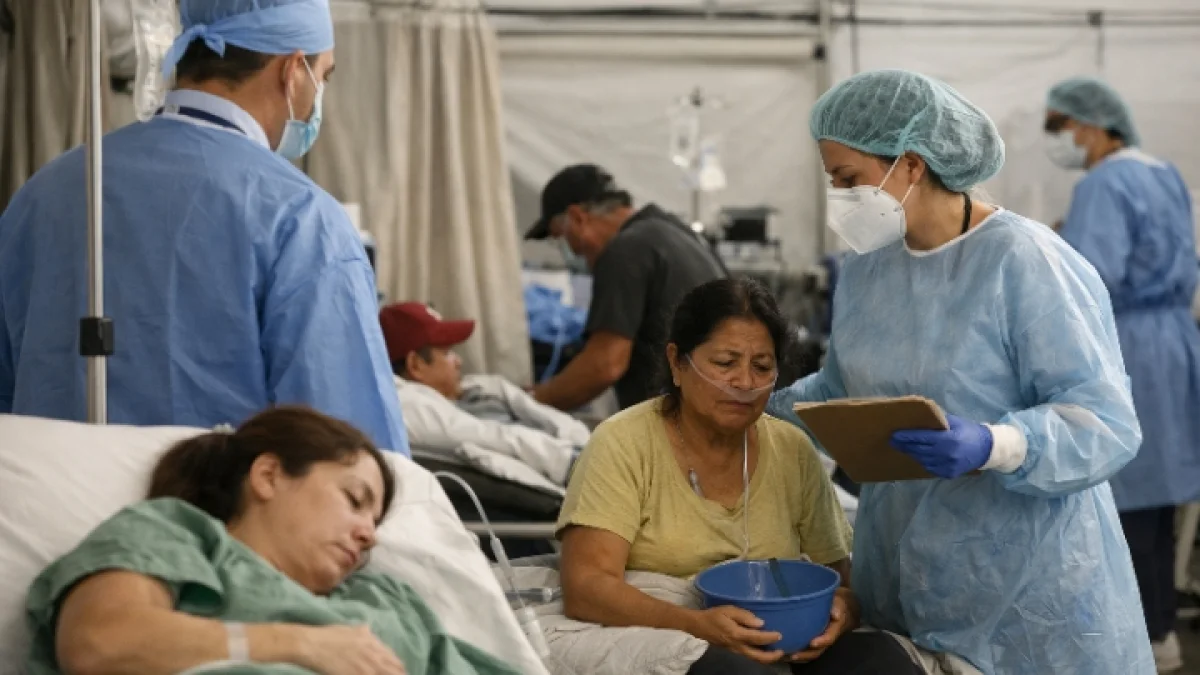
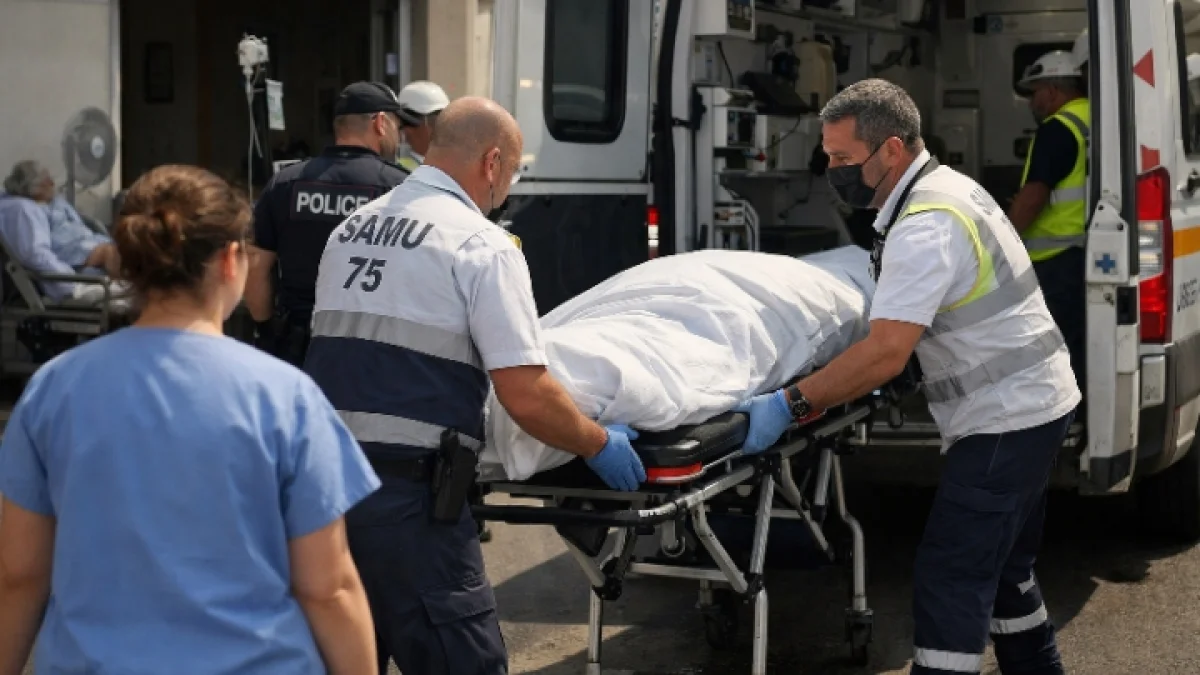
Europe's latest heatwave has become more than another episode of extreme summer weather. Preliminary official estimates showing at least 3,700 excess deaths in France, Belgium and the Netherlands have renewed scrutiny of whether governments are adapting quickly enough to increasingly frequent and intense periods of extreme heat, despite years of scientific warnings and expanding climate policies. Officials have cautioned that the mortality figures remain provisional and are likely to rise as additional data are analyzed.
The latest toll is significant because it shifts attention beyond the scientific consensus that climate change is increasing the likelihood of severe heatwaves and toward a practical policy question: whether Europe's public health systems, infrastructure and emergency planning are keeping pace with changing climate risks. While the European Union has positioned itself as a global leader on reducing greenhouse gas emissions, the recent heatwave has exposed persistent vulnerabilities in adaptation measures that remain largely the responsibility of national and local authorities.
Health authorities reported that France accounted for about 2,025 excess deaths during the late-June heatwave, with mortality rising particularly among people aged over 45. Belgium recorded roughly 1,200 excess deaths, including substantial increases among the oldest age groups, while the Netherlands reported around 480 excess deaths, mostly affecting people over 80. Public health agencies stressed that excess mortality provides an early indication of the heatwave's broader impact and that confirmed assessments will require additional epidemiological analysis.
The figures also reinforce a longstanding public health finding that heat-related mortality extends beyond officially certified heat deaths. Many fatalities occur when extreme temperatures aggravate existing cardiovascular, respiratory or other chronic illnesses rather than appearing as heatstroke alone. Public health specialists therefore regard excess mortality estimates as a more comprehensive measure of a heatwave's impact than direct heat-related death certificates alone.
Scientific assessments have linked the severity of the event to human-induced climate change. Researchers from attribution studies concluded that temperatures of this magnitude occurring so early in the European summer would have been extremely unlikely without global warming. The World Health Organization has repeatedly warned that Europe is warming faster than any other continent, increasing both the frequency and intensity of heat-related health emergencies.
The consequences extended well beyond hospitals. The heat disrupted electricity generation, strained transport infrastructure, increased wildfire risks and complicated the operation of major public events. French authorities, for example, issued guidance allowing local officials to cancel Tour de France stages under exceptional circumstances if extreme heat endangered public safety, illustrating how climate risks are increasingly affecting sectors not traditionally associated with public health emergencies.
The latest heatwave has also revived debate over Europe's preparedness. Many homes across the continent were designed to retain heat during colder months rather than dissipate it during prolonged periods of extreme temperatures. Air conditioning remains less common than in many other developed regions, while urban areas continue to experience intensified heat because of dense construction and limited green space. The WHO has argued that preventive measures—including heat-health action plans, improved early-warning systems, cooling centres and targeted protection for vulnerable populations—have already reduced mortality compared with previous decades but require broader implementation as heatwaves become more frequent.
Economic considerations have become increasingly intertwined with health policy. Extreme heat reduces labour productivity, increases electricity demand, disrupts transport networks and raises healthcare costs simultaneously. Analysts note that although Europe has devoted substantial financial resources to emissions reduction, considerably less investment has focused on adaptation measures such as climate-resilient buildings, cooling infrastructure and public health preparedness. The recent heatwave has therefore intensified discussion about whether climate resilience should receive greater policy attention alongside long-term decarbonization efforts.
The event also reflects a broader shift in European risk management. Heatwaves were once treated primarily as seasonal weather hazards. Increasingly, governments are responding to them as recurring national emergencies requiring coordinated action across health ministries, meteorological agencies, emergency services and local authorities. The WHO has described current heatwaves as a "dress rehearsal" for future climate conditions, arguing that preparedness rather than emergency response alone will determine future mortality outcomes.
For policymakers, the challenge is no longer limited to forecasting extreme temperatures accurately. It increasingly involves identifying vulnerable populations, strengthening health system capacity, adapting infrastructure and ensuring that emergency measures can be implemented rapidly during prolonged periods of exceptional heat. Demographic trends, including Europe's ageing population, further increase exposure to heat-related health risks.
The confirmed picture remains incomplete because excess mortality estimates continue to be updated and additional countries are still assessing the impact of the late-June heatwave. Health authorities and meteorological agencies are monitoring whether further periods of extreme heat develop during the remainder of the summer, while governments continue reviewing emergency responses and longer-term climate adaptation measures in light of the latest mortality data.