GENEVA — Global health agencies are strengthening contingency planning and coordinating with humanitarian partners as conflicts, disease outbreaks and natural disasters increase pressure on fragile health systems and raise the risk of wider public health emergencies, according to recent assessments by international organizations.
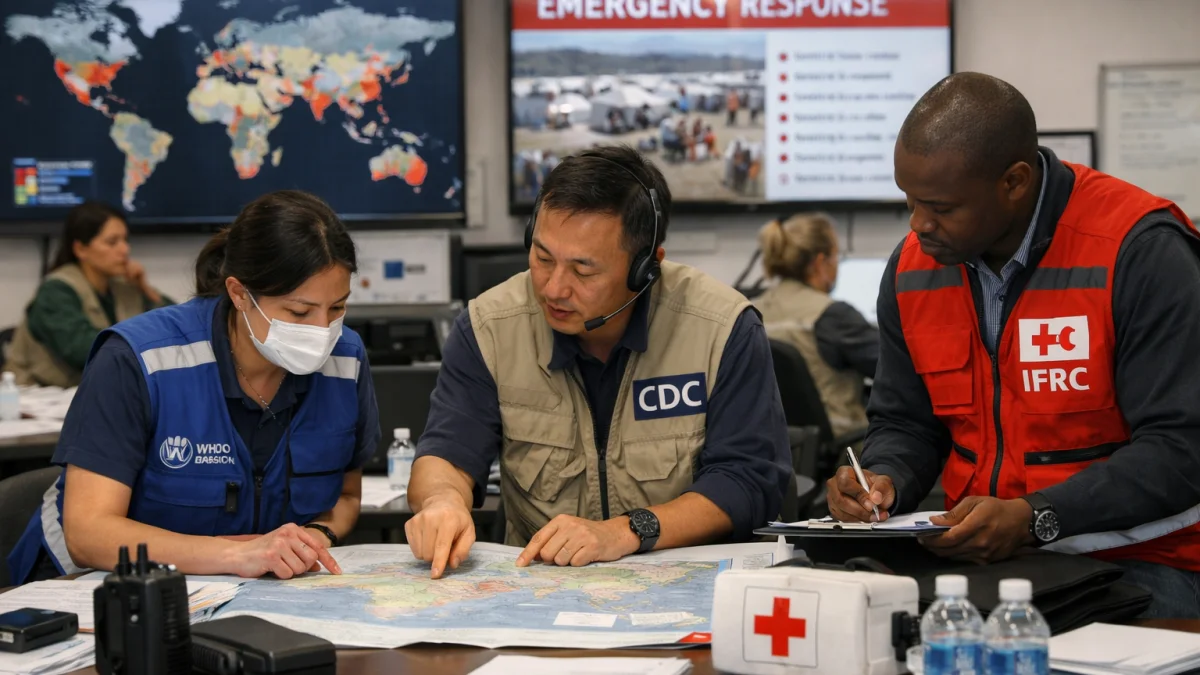
The World Health Organization (WHO) said its 2026 emergency response strategy prioritizes life-saving health services, disease surveillance and support for frontline health systems amid severe funding constraints that have reduced access to care in multiple crisis zones. WHO estimates that about 239 million people worldwide will require humanitarian assistance this year and has appealed for nearly $1 billion to support responses across 36 emergencies.
WHO said health emergencies are unfolding at a time when humanitarian resources are under increasing strain, with conflict, displacement, climate-related disasters and infectious disease outbreaks disrupting routine medical services, vaccination campaigns and treatment for chronic illnesses. The agency said it is working with governments and partner organizations to prioritize the highest-impact interventions while strengthening coordination with local responders.
Recent emergencies have underscored those challenges. In Sudan, WHO warned that a cholera outbreak could worsen because of continuing conflict, mass displacement and seasonal rains that have limited access to healthcare and humanitarian assistance. The agency said millions of people require health services as fighting continues in several regions.
In Venezuela, the Pan American Health Organization (PAHO) has warned that overcrowded shelters, inadequate sanitation and limited access to clean water following powerful earthquakes have increased the risk of infectious disease outbreaks. PAHO said it is working with national authorities to strengthen disease surveillance and support medical services in affected communities.
WHO has also reported that conflict in the Middle East has disrupted health services, damaged medical infrastructure and complicated the delivery of humanitarian supplies, while emphasizing continued coordination with ministries of health and international partners to maintain essential care and disease monitoring.
WHO officials have said emergency preparedness includes reinforcing surveillance systems, ensuring continuity of essential health services, improving readiness for outbreaks and supporting countries in meeting international health regulations. The agency said protecting health systems during humanitarian crises remains central to preventing avoidable deaths and limiting the spread of disease across borders.
International health agencies said they will continue monitoring emerging humanitarian situations while coordinating with governments and aid organizations as new needs are identified and resources become available.