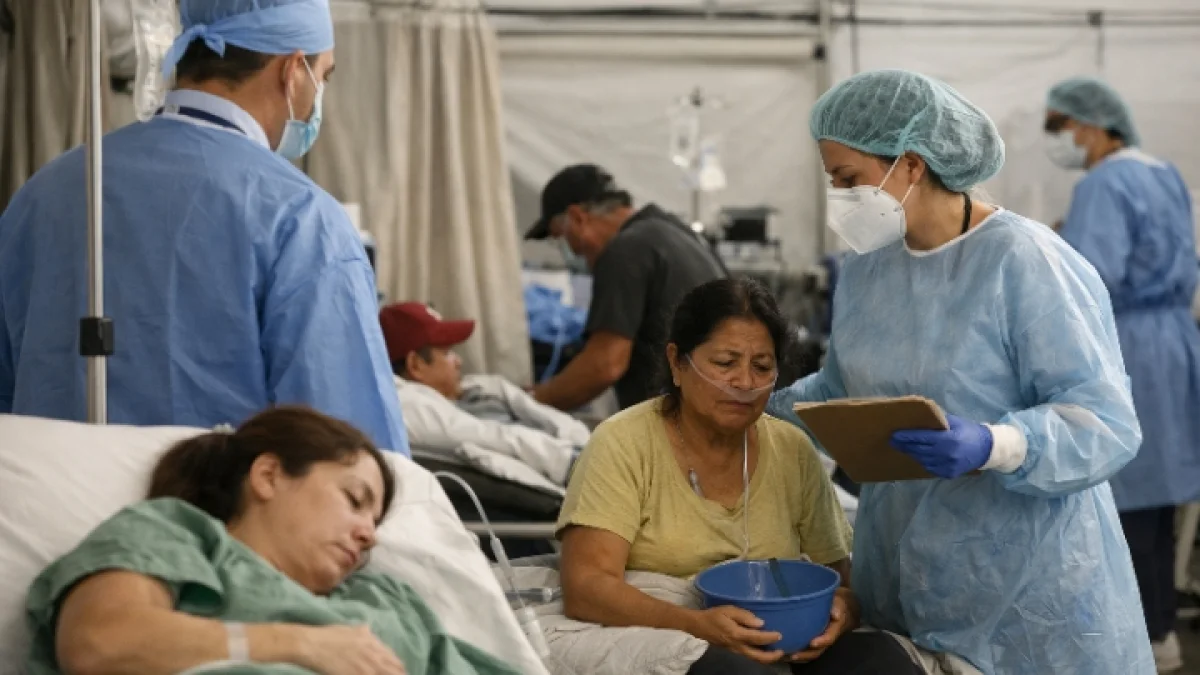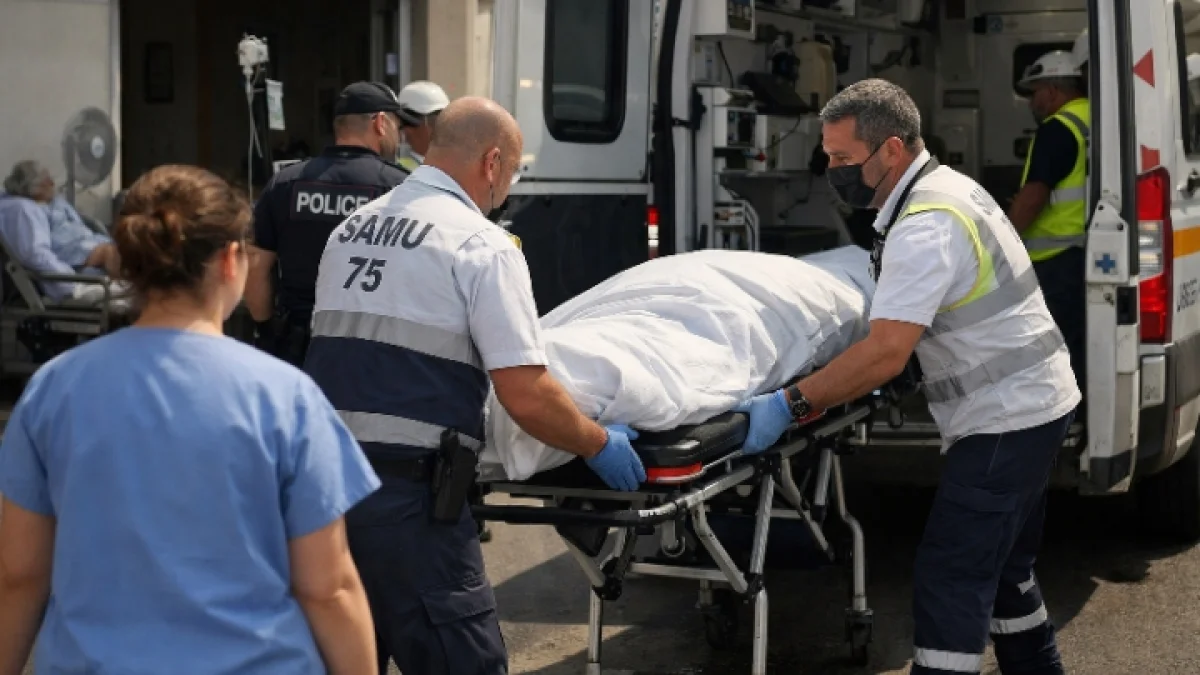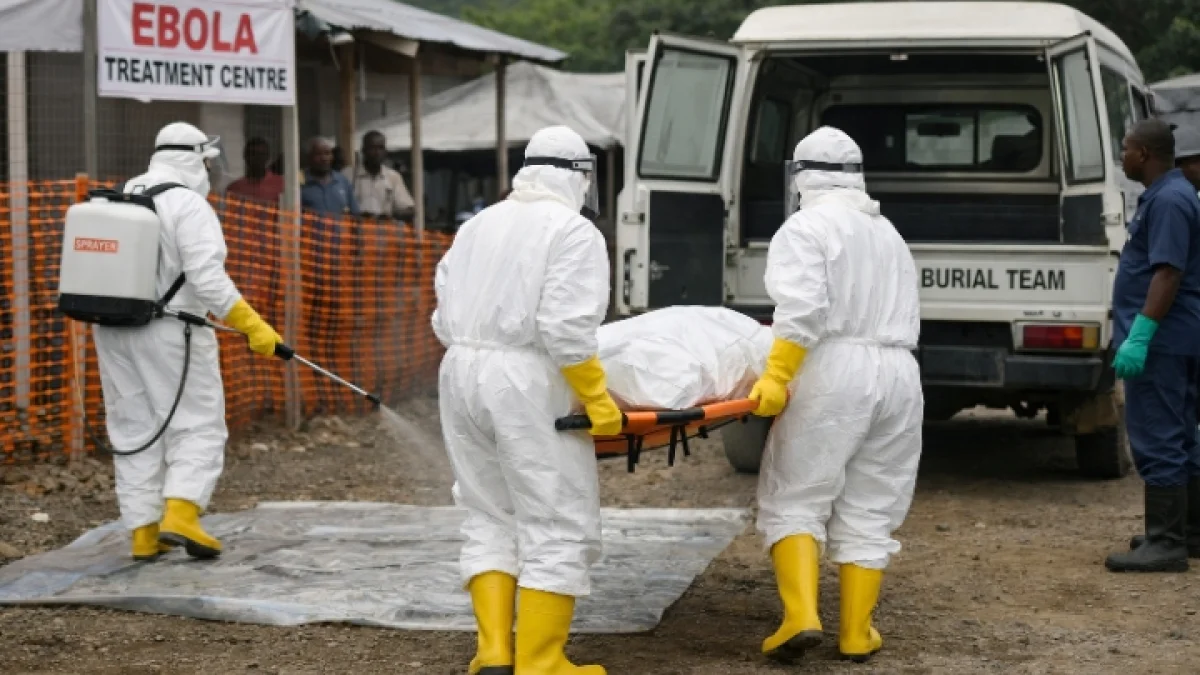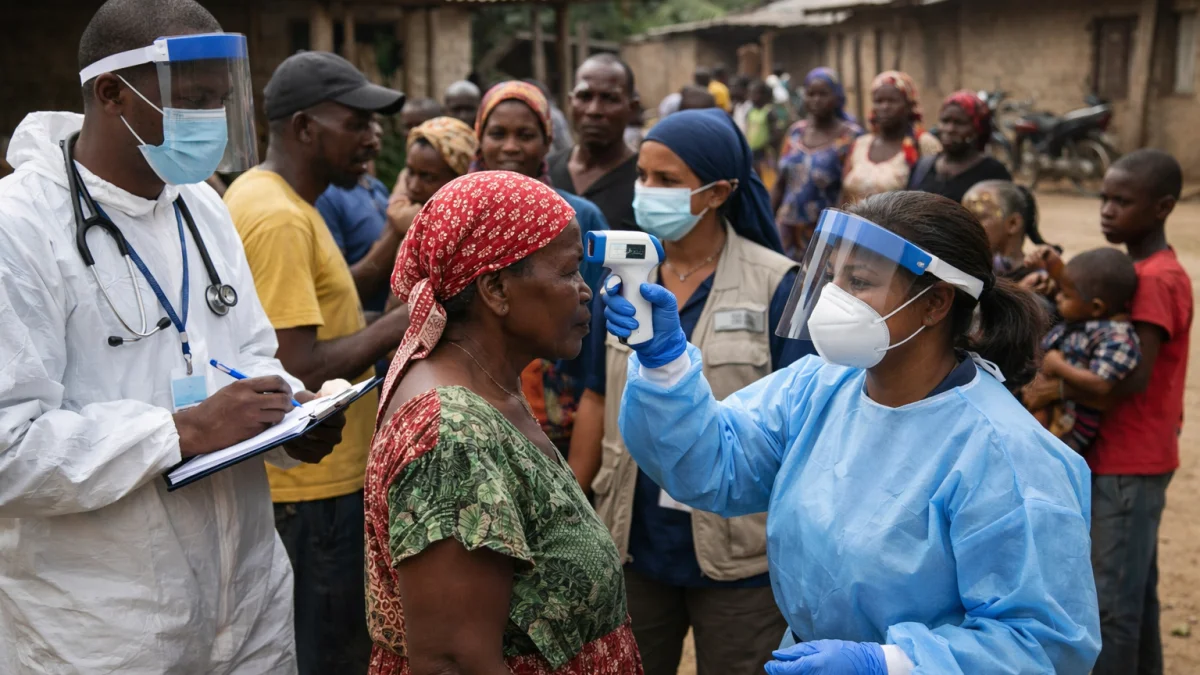
Before sunrise, response teams gather to review overnight reports of suspected infections, laboratory results and community concerns before setting out for villages and neighborhoods where the success of the day's work may depend less on medical equipment than on conversation. Alongside epidemiologists and nurses, specialists in risk communication and community engagement compare new rumors with verified information, adapting public health messages to local concerns before they begin another day of house visits, community meetings and support for local health workers.
That routine has become a defining feature of responses to emerging infectious diseases, particularly during the Democratic Republic of the Congo's Ebola outbreak. Health authorities, supported by the World Health Organization (WHO) and humanitarian partners, have repeatedly emphasized that surveillance, testing and treatment are only effective when communities trust those delivering them.
The lesson extends well beyond a single outbreak. Public health officials increasingly describe trust as a practical component of emergency response rather than an abstract goal. In communities confronting unfamiliar diseases, fear, misinformation and uncertainty can discourage people from reporting symptoms, accepting treatment or cooperating with contact tracing. Frontline health workers often become the first—and most visible—representatives of the health system that families encounter.
"When an outbreak of Ebola was declared in the Democratic Republic of the Congo's Kasai Province... health authorities faced more than the virus itself," WHO said in a June 2026 update. The agency noted that fear and mistrust threatened to undermine efforts to contain transmission, prompting authorities to integrate community engagement into every part of the emergency response rather than treating it as a separate activity.
For professionals working in risk communication, the day frequently begins before patients arrive at clinics. Julienne Anoko, a WHO risk communication and community engagement officer, described reviewing reports of suspected cases, community rumors and security concerns before joining coordination meetings that bring together surveillance, laboratory, infection prevention and case management teams.
"My role is essentially to act as a bridge between the communities and the response teams," Anoko said in a WHO profile published in June. "Ensuring that interventions are not only technically sound but also socially accepted and trusted."
Those conversations continue outside meeting rooms. Community health workers, local volunteers, religious leaders and neighborhood representatives often accompany response teams because they understand local customs, languages and concerns. Their familiarity can make difficult discussions about isolation, vaccination, infection prevention or safe burial practices more acceptable than instructions delivered solely by outside officials.
WHO has increasingly framed this approach as "community protection," arguing that outbreak control depends on partnerships with communities rather than one-way communication. According to the agency, integrating community perspectives into operational planning helped strengthen acceptance of surveillance, vaccination and other interventions during recent Ebola responses.
The importance of that approach reflects lessons accumulated over multiple epidemics. During previous Ebola outbreaks, attacks on health workers, misinformation and distrust disrupted response efforts and delayed care. Public health experts say those experiences demonstrated that technical expertise alone cannot overcome social barriers created by fear or historical grievances.
In eastern Congo, where insecurity has complicated public health operations, community engagement has become even more important. WHO Director-General Tedros Adhanom Ghebreyesus has argued that emergency measures cannot succeed without public confidence, while humanitarian organizations have warned that conflict and displacement make sustained relationships with local communities essential.
Health workers themselves also require support. They face long hours, infection risks and, in some settings, security threats while serving as the public face of emergency response. WHO's guidance on community engagement identifies healthcare workers and volunteers as central to building confidence because their interactions often determine whether public health advice is accepted or rejected.
For many community members, those interactions occur in ordinary settings rather than hospitals. Information may be exchanged during household visits, conversations outside clinics or meetings organized with village leaders. Questions about symptoms, quarantine or vaccines often unfold gradually as residents seek reassurance from people they know rather than from official announcements alone.
Officials involved in Congo's Ebola response say those conversations have contributed to measurable changes. According to the country's Ministry of Health and its communication partners, communities increasingly began requesting investigation teams, treatment, protective equipment and safe burial services as understanding of the disease improved and confidence in the response grew.
The broader implications extend beyond Ebola. WHO's International Health Regulations benchmarks identify community engagement as a core component of health emergency preparedness, arguing that resilient communities strengthen disease detection, improve adherence to public health measures and help localize responses during crises.
The experience has also influenced preparedness planning in other countries. Public health agencies increasingly invest in relationships with community organizations before emergencies occur, recognizing that trust established during ordinary times can prove invaluable when outbreaks emerge.
That shift reflects an understanding reinforced by COVID-19 as well as more recent disease outbreaks: confidence cannot be improvised after a crisis begins. Health officials increasingly view communication, transparency and collaboration with local leaders as essential infrastructure alongside laboratories, surveillance systems and medical supplies.
As response teams finish another day of community visits, new reports return to coordination centers. Questions raised by residents, rumors circulating on social media and requests from local leaders become part of the planning for the following morning. The cycle illustrates a principle that WHO has repeatedly emphasized during recent emergencies: outbreaks may be detected through laboratories and surveillance systems, but bringing them under control depends on the willingness of communities to work alongside the people who arrive at their doors.