As another stretch of exceptional summer heat settled over parts of Europe in July, public parks, shaded squares and air-conditioned community buildings again became places of refuge. Across cities and towns, local authorities renewed warnings urging residents to check on elderly relatives and neighbours, while hospitals and care providers prepared for another period of heightened demand.
The precautions reflect lessons learned only weeks earlier, after an unprecedented late-June heat wave swept across western Europe and left a measurable toll that extended far beyond the hottest days themselves.
Official mortality monitoring data compiled by EuroMOMO, a network supported by the European Centre for Disease Prevention and Control and the World Health Organization, showed that more than 10,000 excess deaths occurred across participating European countries during the record-breaking late-June heat wave. More than 9,000 of those deaths were among people aged 65 and older, according to the data, making older residents the group most heavily affected.
For communities already confronting aging populations, the figures have transformed extreme heat from a seasonal inconvenience into a public health challenge that reaches neighbourhoods, nursing homes and family households alike.
Excess mortality measures deaths above the level normally expected for a particular time of year. Health experts say the approach captures the broader effects of extreme temperatures because heat often contributes to deaths from cardiovascular and respiratory illnesses rather than being recorded as the direct cause.
"To have this kind of excess at this time of year is unusual. It's really high," Lasse Vestergaard, chief physician at Denmark's Statens Serum Institut, which hosts EuroMOMO, told Reuters after the figures were released. He said it was difficult to explain the unusually high mortality without the effects of the extreme heat.
The burden was not evenly distributed.
France reported more than 2,000 excess deaths during the June heat wave, according to Health Minister Stéphanie Rist. Belgian authorities also recorded an unusually high level of heat-related mortality, while Dutch health officials estimated around 480 excess deaths, concentrated mainly among people aged 80 and older and in the country's hottest regions. Authorities cautioned that many national assessments remained preliminary as mortality analyses continued.
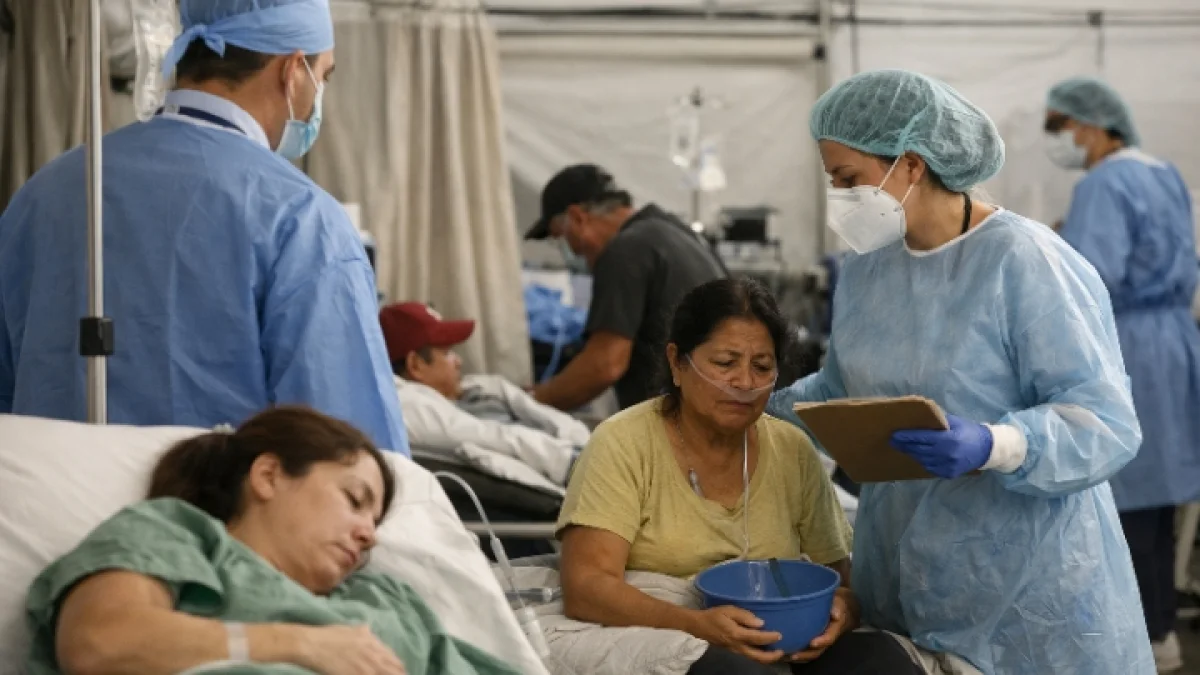
For families, those statistics represent parents, grandparents and neighbours whose health deteriorated during prolonged periods of extreme temperatures. Public health officials have repeatedly stressed that heat can aggravate chronic illnesses, particularly among people with heart disease, respiratory conditions or limited mobility.
Many European governments have expanded heat-health warning systems since deadly summers in previous years. Municipalities have opened cooling centres, extended swimming pool hours, distributed water and urged residents to contact isolated older adults. Care homes and hospitals have reviewed emergency procedures, while weather agencies have coordinated alerts with health authorities.
Yet experts say the latest mortality figures demonstrate that adaptation remains incomplete.
Unlike storms or floods, heat often leaves little visible physical destruction. Instead, its effects emerge gradually through ambulance call-outs, emergency admissions and rising mortality statistics collected after temperatures subside. That can make the danger less obvious, even as health systems experience sustained pressure.
Scientists studying the late-June event said the temperatures reached levels that would have been virtually impossible without human-caused climate change. They found that global warming has increased both the likelihood and intensity of such extreme heat events, raising concerns that communities could face similar episodes more frequently in coming years.
The health consequences have extended beyond mortality figures.
Extreme temperatures disrupted schools, strained electricity systems, affected transport infrastructure and fuelled wildfires across several European countries. In Spain, authorities linked multiple wildfire deaths to the broader period of extreme heat, while fires in France and Britain prompted evacuations, public health warnings and emergency responses as dry conditions persisted.
Researchers note that Europe's population profile adds another layer of vulnerability. Many countries have large and growing elderly populations, increasing the number of people at greatest risk during prolonged heat. Older adults often have reduced ability to regulate body temperature and are more likely to live with chronic illnesses that worsen during extreme weather.
Public health agencies have therefore emphasized relatively simple interventions: maintaining hydration, avoiding strenuous activity during peak temperatures, identifying cooler indoor spaces and checking regularly on vulnerable neighbours and relatives.
Those messages have become increasingly familiar each summer, but officials say they remain essential because many heat-related deaths are preventable if people receive timely assistance.
As July temperatures continue to test records in parts of Europe, authorities are monitoring hospitals, mortality data and weather forecasts simultaneously. While final assessments of this summer's overall impact will take months, health experts say the June figures already offer a stark reminder that the consequences of extreme heat are measured not only in temperature records but also in lives lost.
For communities across the continent, the challenge is becoming less about responding to a single exceptional event than preparing for a future in which periods of dangerous heat may become a recurring feature of every summer.