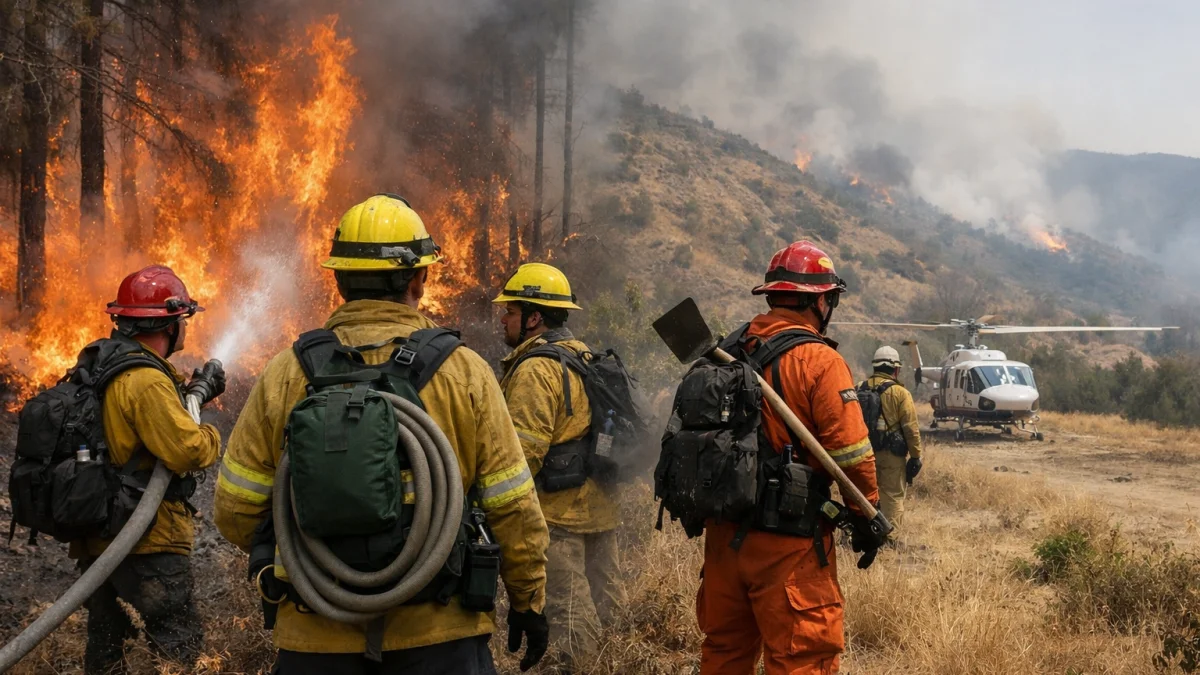
ALBUQUERQUE, N.M. — Wildfire agencies across North America and Europe are increasingly being forced to prioritize which fires, communities and assets to defend as simultaneous blazes, extreme heat and strained resources stretch firefighting capacity during an intense 2026 fire season, according to fire officials and emergency agencies.
The U.S. National Interagency Fire Center has raised the national preparedness level to Level 4, indicating heavy nationwide fire activity and significant pressure on personnel and equipment, while officials have pre-positioned firefighters, aircraft and heavy machinery in areas considered most at risk. Fire managers say prolonged periods of high winds, low humidity and extreme temperatures have limited opportunities to contain fast-moving fires, requiring difficult operational decisions about where resources can have the greatest effect.
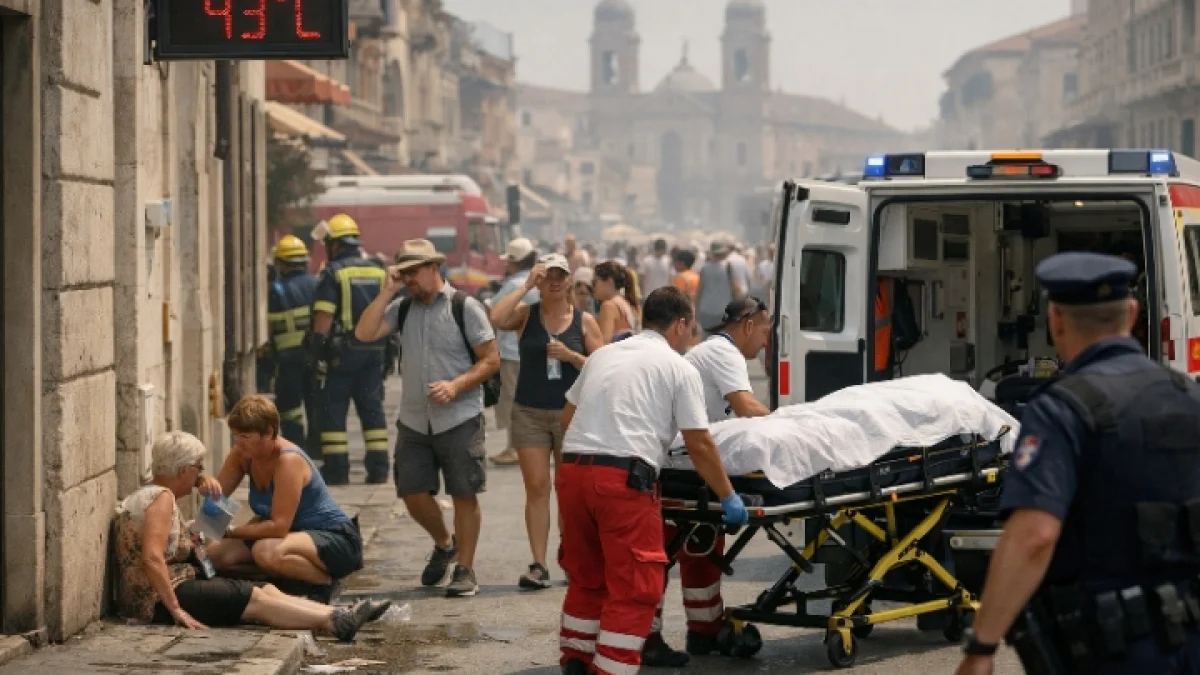
The resource strain comes as major wildfires continue to burn across parts of Europe, Canada and the United States. Authorities in France, Spain and the United Kingdom have responded to multiple large fires during successive heatwaves, with evacuations, transport disruptions and public health warnings issued in several regions. Reuters reported earlier this week that extreme heat and dry conditions have intensified wildfire risks across much of the Northern Hemisphere.
Fire officials say mutual aid agreements remain essential but become more difficult when multiple jurisdictions face elevated fire danger simultaneously. In the United States, fire managers have described a delicate balance between deploying crews to assist other regions and retaining enough personnel to respond to emerging local incidents. They have also warned that extended deployments increase fatigue and the risk of burnout among firefighters.
Scientists and emergency management experts have linked increasingly severe wildfire seasons to prolonged drought, unusually warm temperatures and changing weather patterns that dry vegetation and lengthen fire seasons. Officials have stressed that even large numbers of firefighters and aircraft cannot safely attack fires during prolonged periods of extreme wind and hazardous fire behavior, making strategic positioning and rapid initial response critical once conditions improve.
Governments across affected regions have continued to urge residents to follow evacuation orders, avoid activities that could ignite fires and remain alert to changing conditions. Emergency agencies said firefighting operations remain active in several countries, with officials continuing to monitor weather conditions and resource availability as the fire season progresses.