The earthquake zone is quieter now, but for Venezuela's survivors, the disaster has moved into a slower and more uncertain phase: finding somewhere safe to sleep, restoring access to health care, recovering the dead and deciding whether damaged homes can ever again be lived in.
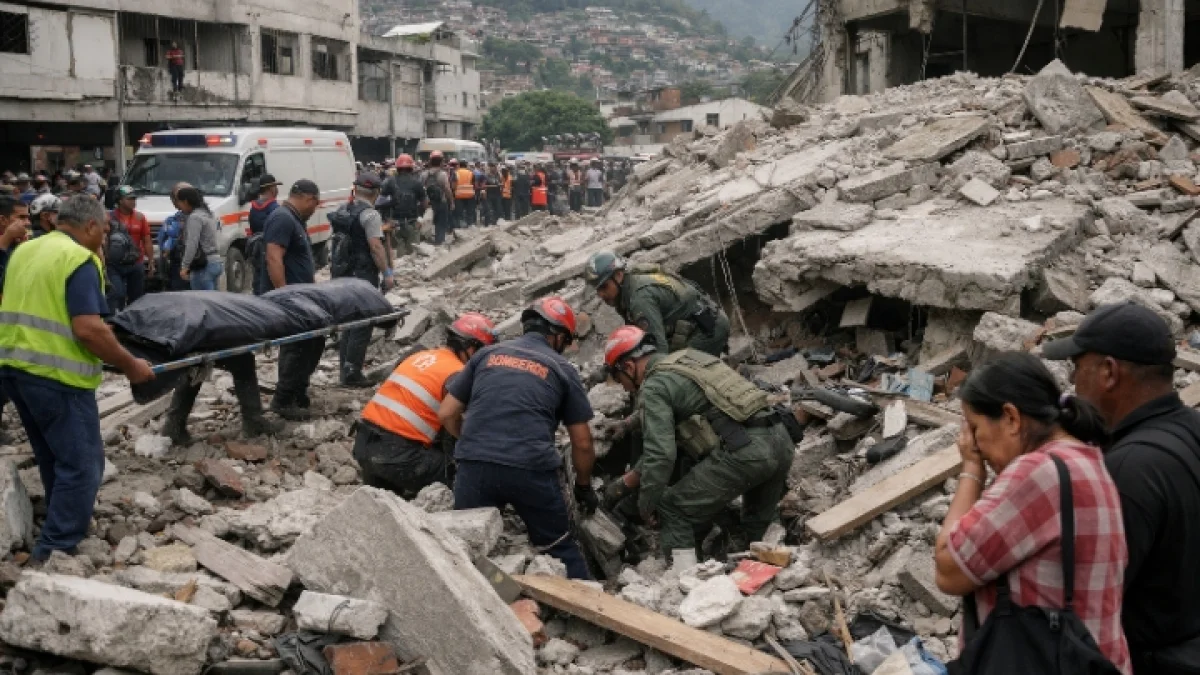
On June 24, two powerful earthquakes struck northern Venezuela in rapid succession, with magnitudes of 7.2 and 7.5, according to the U.S. Geological Survey. The shaking triggered landslides and damaged or destroyed buildings across parts of the country's northern coast, including areas around La Guaira and Catia La Mar. USGS assessments found that landslides had damaged structures and blocked or threatened roads in several places, leaving some communities difficult to reach.
Weeks later, the scale of the loss continued to come into focus. Venezuelan authorities said on July 15 that 4,829 people had died, 16,740 had been injured and 17,907 had been left homeless. The figures marked a sharp increase from the toll reported by health authorities days earlier, reflecting the continuing work of search and recovery teams.
For families caught in the disaster, the passage from rescue to recovery has not been straightforward.
In one case, reported by The Guardian, the Guedez García family spent 18 days searching the rubble of a collapsed apartment building in Caraballeda for their 23-year-old daughter, Alexandra, a physiotherapist. Volunteers from the family's rural hometown helped locate her remains. Her ashes were later taken home, where neighbors and members of the community gathered to receive the family. The account offered a glimpse of one of the most difficult transitions after a mass disaster: the moment when the search for survivors gives way to the recovery and burial of those who did not make it.
Across the affected areas, the needs of those who survived have also changed.
The Pan American Health Organization said in mid-July that the health response was entering an early recovery phase. The immediate surge of trauma cases had begun to stabilize, but hospitals and clinics still faced the challenge of restoring essential services, repairing damaged facilities and maintaining continuity of care. PAHO reported that the earthquakes had damaged 38 health facilities and that thousands of people remained injured or displaced.
That shift matters because the consequences of a major earthquake often extend well beyond the initial collapse of buildings. People with injuries may require prolonged treatment. Patients whose regular medical services have been interrupted can face new risks. Displaced families need clean water, sanitation and shelter, while damaged infrastructure can complicate the delivery of aid.
PAHO has identified mass-casualty care, essential health services, disease surveillance, mental-health support, water and sanitation, and the recovery of resilient health systems among its priorities for the response.
The geography of the disaster has added another layer of difficulty. USGS assessments identified widespread or major landslides in the coastal mountains above La Guaira and Naiguatá, while roads in parts of the coastal corridor were partially blocked. Some inland populations risked being cut off from coastal communities, complicating the movement of rescuers, supplies and residents.
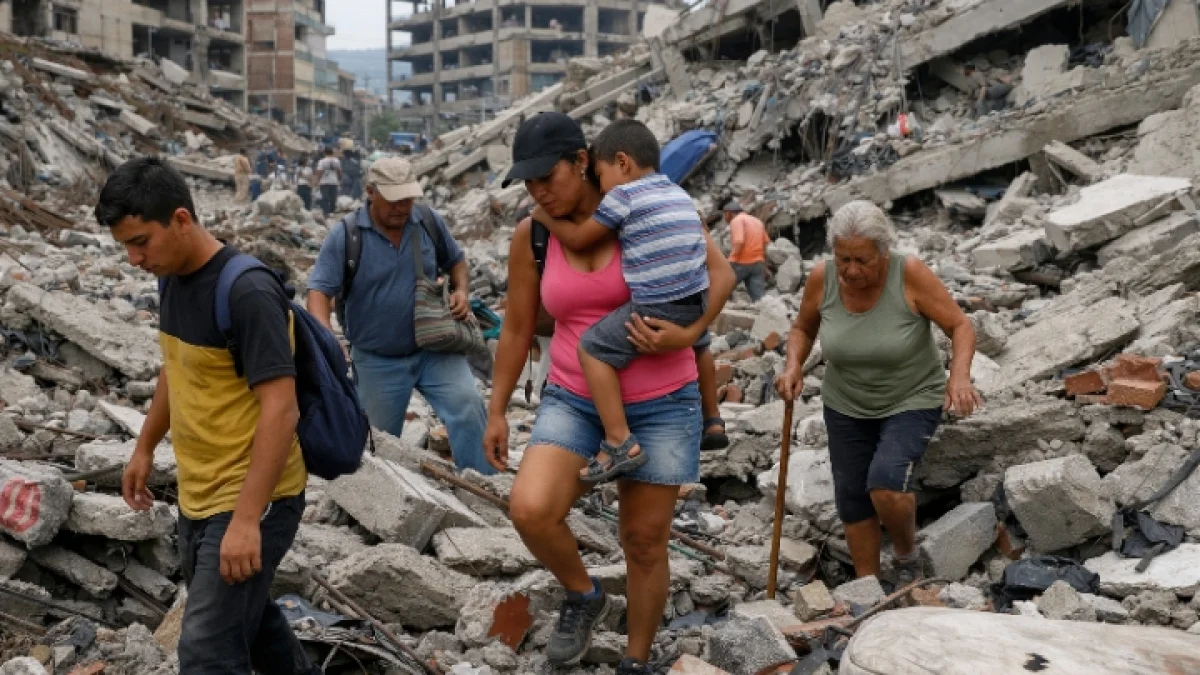
For survivors, uncertainty has therefore become part of daily life. Some have lost homes. Others are living with buildings that remain standing but may be unsafe. Families who escaped the destruction must contend with the practical question of where to live while authorities assess damaged structures and communities begin to rebuild.
The disaster has also tested Venezuela's ability to respond to a catastrophe of this scale. A Reuters report published in July found that confusion, delayed deployment orders, poor coordination among senior officials and shortages of equipment hindered the response, according to an examination of the earthquake operation. Such problems can have consequences that persist after the immediate rescue effort, particularly when large numbers of people require shelter, medical care and assistance at the same time.
Yet the recovery has also revealed the role of ordinary communities in carrying people through the aftermath. In the case of the Guedez García family, volunteers from their hometown helped with the search for Alexandra and later accompanied the family through the journey home. Their involvement reflected a wider reality of disasters: formal emergency services may lead rescue operations, but families and neighbors often become essential to the work of finding loved ones, sharing resources and restoring a sense of community.
By late July, the earthquakes were no longer defined only by the first hours of collapsing buildings and rescue operations. The story had become one of rebuilding lives around losses that could not be reversed.
For some, that meant recovering the remains of relatives and bringing them home. For others, it meant waiting for medical treatment, finding shelter or determining whether a damaged house could become a home again. And for communities facing blocked roads, disrupted services and damaged health facilities, recovery remained tied to the restoration of the basic systems on which daily life depends.
The earthquakes struck in minutes. The consequences have lasted weeks, and for thousands of Venezuelans, the work of living with what happened is only beginning.