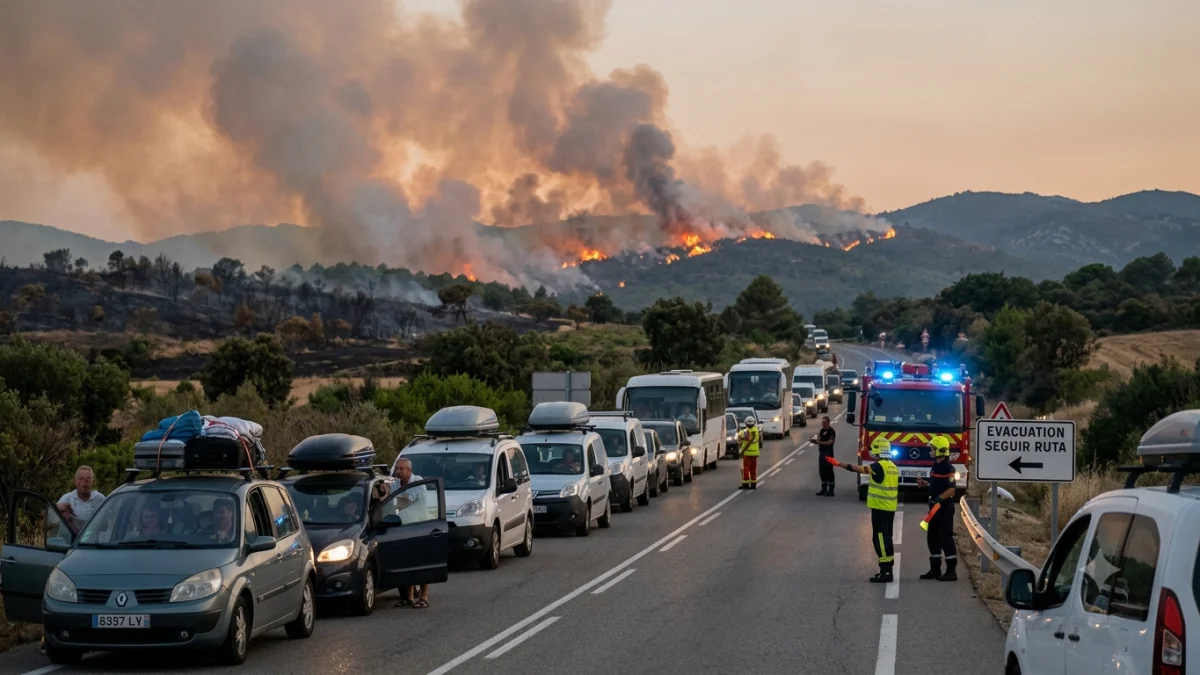
BOISE, Idaho—The United States entered the peak of its 2026 wildfire season under mounting pressure from widespread drought, extreme heat and concerns over firefighting capacity, as federal and state agencies warned that dangerous fire conditions could persist through much of the summer.
The National Interagency Fire Center raised the nation's wildfire preparedness level to Level 4 this week, one step below the highest national alert, citing dozens of large active fires and growing competition for firefighting resources across the West. Officials said the designation reflected increasing demand for personnel, aircraft and equipment as multiple incidents burned simultaneously.
Several Western states have declared emergencies or imposed restrictions as prolonged drought and hot, windy weather intensified fire danger. In Utah, Governor Spencer Cox temporarily restricted fireworks ahead of the Independence Day holiday after officials reported severe drought across much of the state and hundreds of wildfires this year, many of them caused by human activity.
The Cottonwood Fire in central Utah remained among the nation's largest active wildfires after burning tens of thousands of acres, while additional large fires continued to burn in Utah, Colorado, Arizona and neighboring states. Three firefighters were killed while responding to fires near the Utah-Colorado border in late June, underscoring the risks facing emergency crews during the early stages of the season.
Meteorologists have warned that persistent drought, below-average mountain snowpack and forecasts for above-normal summer temperatures have created conditions favorable for rapid fire growth across much of the western United States. More than 100 million Americans were also expected to experience dangerous heat around the July 4 holiday, adding to concerns over wildfire potential.
At the same time, staffing levels have become a point of concern. Recent reports indicate the U.S. Forest Service completed significantly less hazardous-fuel reduction work in 2025 than in previous years following workforce losses, while lawmakers and fire experts have questioned whether personnel reductions could affect preparedness during an active season. Forest Service officials have said firefighting operations remain a priority even as the agency has undergone organizational changes.
The National Interagency Fire Center has forecast above-normal significant wildfire potential across large portions of the West through the summer, with agencies urging residents to follow burn restrictions, avoid activities that could ignite fires and remain alert for evacuation orders where fires threaten communities. Officials said firefighting resources would continue to be shifted nationally as conditions evolve.