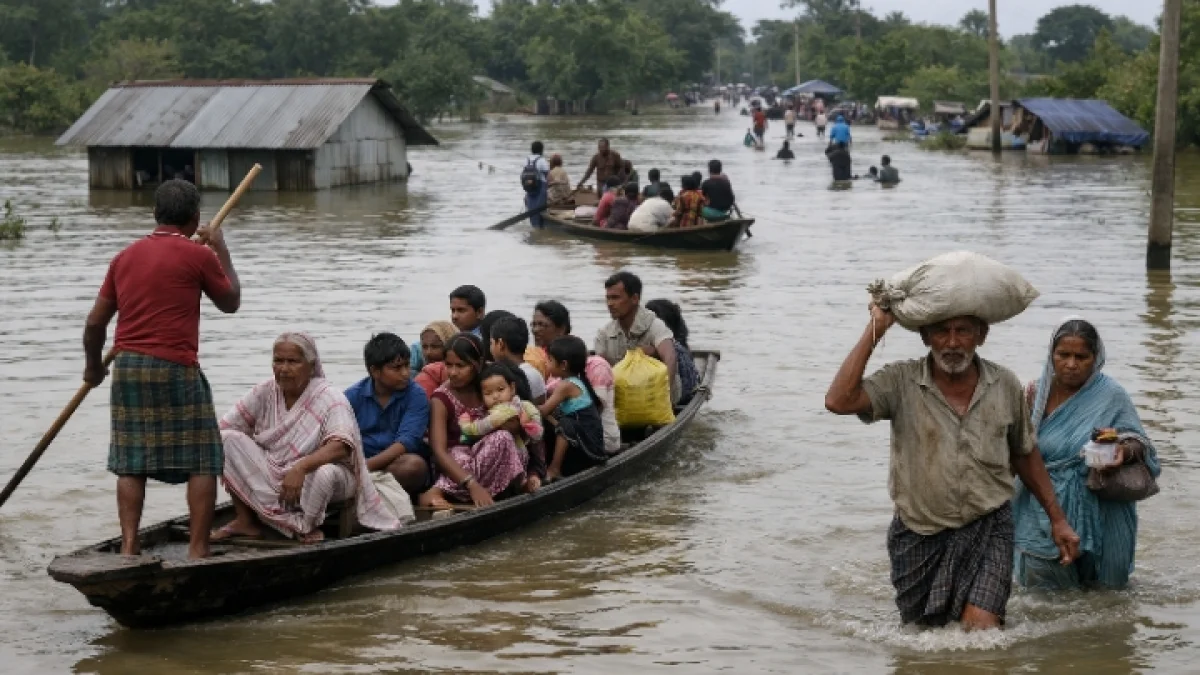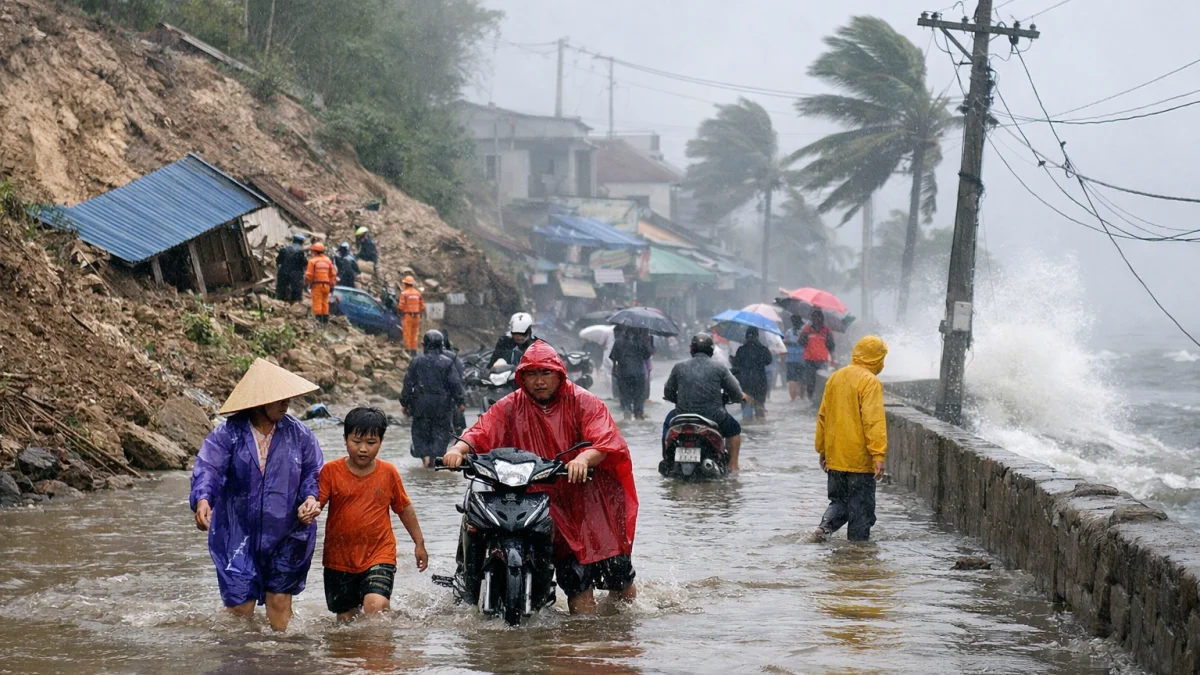
BEIJING — Powerful storm systems disrupted transport, forced mass evacuations and heightened flood risks across several Asian nations on Sunday as Typhoon Bavi moved inland after striking eastern China, while authorities in Taiwan, Japan and the Philippines continued assessing damage from the same weather system.
Bavi made landfall late on Saturday in China's Zhejiang province before weakening to a tropical storm as it tracked northwest, but it continued to bring heavy rainfall and strong winds across eastern China, according to the China Meteorological Administration. Authorities warned that saturated ground and additional rainfall could increase the risk of flooding and landslides in several provinces.
Chinese authorities said more than two million people were evacuated from vulnerable areas ahead of the storm, with large-scale disruptions to air, rail and road transport. Hundreds of flights were cancelled at airports in Shanghai and Hangzhou, while rail services were suspended or reduced in affected regions as emergency crews worked to clear fallen trees and restore infrastructure. Officials reported no immediate deaths from Bavi's landfall in mainland China.
The storm reached China after affecting northern Taiwan, where authorities reported more than 100 weather-related injuries, widespread power outages and significant disruption to transport. Government agencies warned of dangerous coastal conditions and heavy rainfall before gradually easing alerts as the system moved away from the island.
Japan's southwestern islands also experienced strong winds, heavy rain and power outages as Bavi passed nearby. Local authorities monitored coastal flooding risks while utility companies worked to restore electricity to affected households.
In the Philippines, disaster management authorities continued responding to flooding and landslides associated with enhanced monsoon rains intensified by Bavi. Officials said the weather had forced thousands of residents to leave their homes, disrupted maritime transport and contributed to fatalities reported earlier in the week. Emergency operations remained focused on displaced communities and areas vulnerable to additional rainfall.
Meteorological agencies across the region said they were continuing to monitor the storm as it weakened over inland China while warning that heavy rainfall could persist well after the strongest winds subsided. Scientists have said warmer ocean temperatures and the developing El Niño pattern may contribute to more intense tropical cyclones and heavier rainfall events across parts of East Asia, although they caution that the influence of climate variability differs from one storm to another.
Authorities across the affected countries urged residents to follow official weather advisories, avoid flooded areas and prepare for continuing disruptions as emergency services remained on alert.