WASHINGTON — A heat dome expanded across parts of the United States and Europe this week, driving record or near-record temperatures in multiple regions and prompting health alerts from authorities.
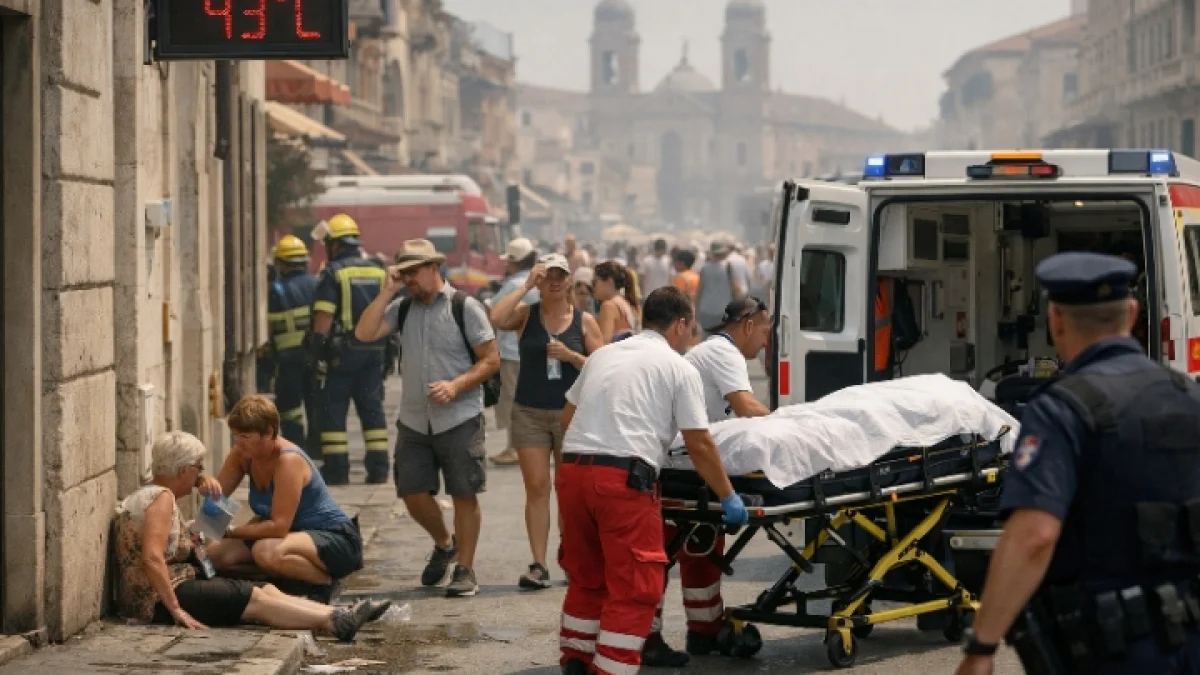
In Europe, the high-pressure system intensified over western and central areas, with France recording its hottest day on record for any time of year on Tuesday. Temperatures exceeded 40 degrees Celsius (104 Fahrenheit) in several locations, including a peak of 44.3 degrees Celsius (111.7 Fahrenheit) in Pissos. The United Kingdom and Spain also reported new June temperature records.
The U.K. Met Office issued rare red extreme heat warnings, forecasting highs near 39 degrees Celsius (102 Fahrenheit). Health officials linked the conditions to multiple deaths and increased drownings as people sought relief in water.
In the United States, a separate or expanding heat dome affected the central and eastern regions, with forecasts indicating widespread temperatures in the 90s Fahrenheit (32-37 Celsius) or higher ahead of the July 4 weekend. AccuWeather and the National Weather Service noted the potential for dangerous heat indices exceeding 100 degrees Fahrenheit (38 Celsius) in areas from the Plains to the Ohio Valley.
Meteorologists described the European pattern as an “omega block,” trapping hot air under high pressure. Similar high-pressure ridges drove the U.S. heat. Forecasters indicated the systems could persist or shift in coming days.
Emergency services in affected European countries reported higher call volumes for heat-related issues. Power demand rose with air conditioning use, leading to some localized strains. In the U.S., officials urged precautions for vulnerable populations.
“Extreme heat is melting national records across Europe, with more coming,” CNN reported, summarizing conditions on Thursday.
As of Thursday, the heat dome continued to influence weather patterns on both continents. European alerts remained active in several countries, while U.S. forecasts pointed to sustained warmth into early next week. Details on total impacts, including final casualty figures, were still being compiled by national authorities and health agencies. International organizations monitored the situation for broader effects.