WASHINGTON — An intense heat wave stretching across the central and eastern United States is exposing weaknesses in electricity, transportation and public infrastructure, as utilities, emergency officials and local governments work to manage surging demand and reduce risks during the Independence Day holiday period.
More than 180 million people were under heat alerts heading into the July 4 weekend, according to the U.S. National Weather Service, with temperatures approaching or exceeding 100 degrees Fahrenheit (38 degrees Celsius) in parts of the Midwest, Mid-Atlantic and Northeast. High humidity pushed heat index values significantly higher in many locations, increasing health risks and placing additional strain on public services.
The extreme conditions prompted widespread operational changes. Local officials canceled or postponed parades, concerts and fireworks displays in several states, while organizers in Washington temporarily closed portions of a major public festival before reopening with additional cooling measures and medical support. Authorities urged residents to limit outdoor activity, stay hydrated and use public cooling centers where available.
The prolonged heat also tested the resilience of the eastern U.S. power grid. The U.S. Department of Energy issued an emergency order earlier in the week covering the PJM Interconnection region, the nation's largest electricity market, after forecasts indicated unusually high power demand and a heightened risk of supply shortfalls. PJM responded by implementing emergency operating measures aimed at maintaining grid reliability during peak demand.
Utilities across affected states appealed to customers to conserve electricity by raising thermostat settings, postponing the use of large appliances and reducing unnecessary power consumption during afternoon and evening peak periods. Grid operators warned that sustained high demand could limit operational flexibility if additional equipment failures or severe weather occurred.
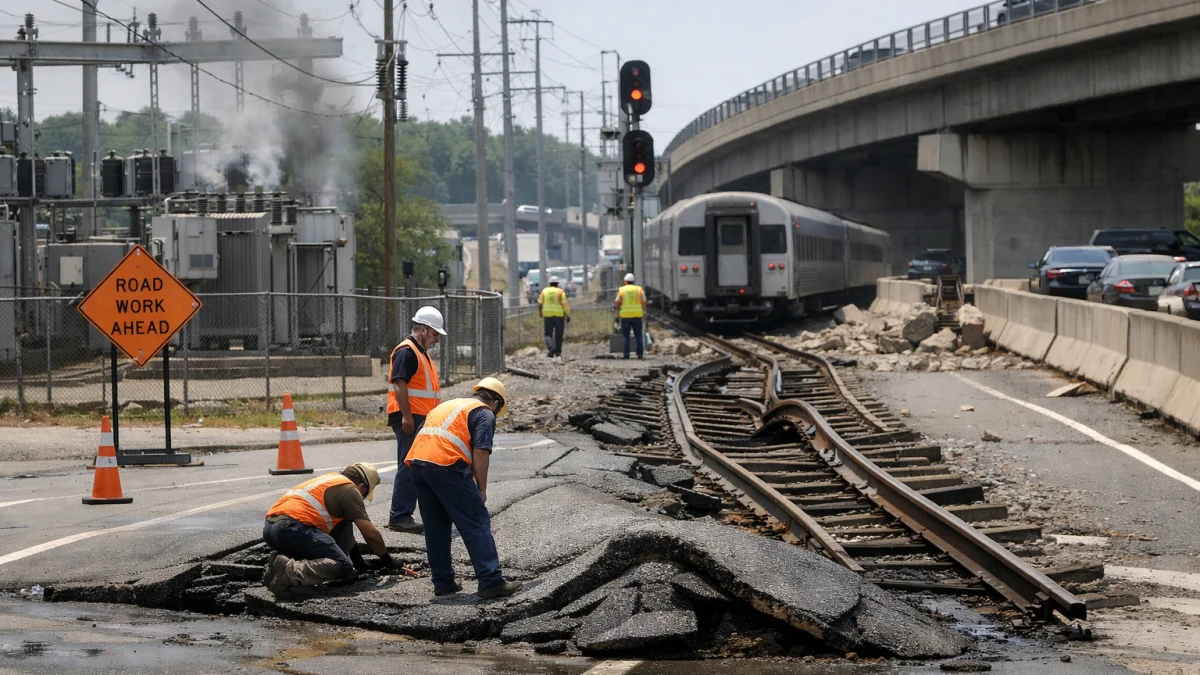
Transportation systems also experienced heat-related disruptions. Rail operators adjusted or canceled some services because elevated track temperatures can require slower train speeds or other operational changes designed to protect infrastructure and passenger safety. Officials said transportation agencies continued monitoring conditions throughout the holiday travel period.
Climate researchers have long warned that rising temperatures increase stress on aging infrastructure by boosting electricity demand, reducing equipment efficiency and increasing the likelihood of weather-related disruptions. While no single heat event can be attributed solely to climate change, scientists say warming temperatures are contributing to more frequent and intense extreme heat episodes.
Federal and state agencies said heat advisories remained in effect across large portions of the eastern United States on Saturday, with emergency officials continuing to monitor grid conditions, public health impacts and infrastructure performance as the heat wave persisted.