GENEVA — A widening gap in funding for climate adaptation is undermining efforts to protect public health from rising climate-related risks, with United Nations agencies and officials warning that developing countries remain far short of the resources needed to build resilient health systems as extreme weather events intensify.
Recent assessments by the United Nations Environment Programme (UNEP) estimate that developing countries will require between $310 billion and $365 billion annually by 2035 for climate adaptation, while international public adaptation finance totaled about $26 billion in 2023, leaving funding needs roughly 12 to 14 times higher than current flows.
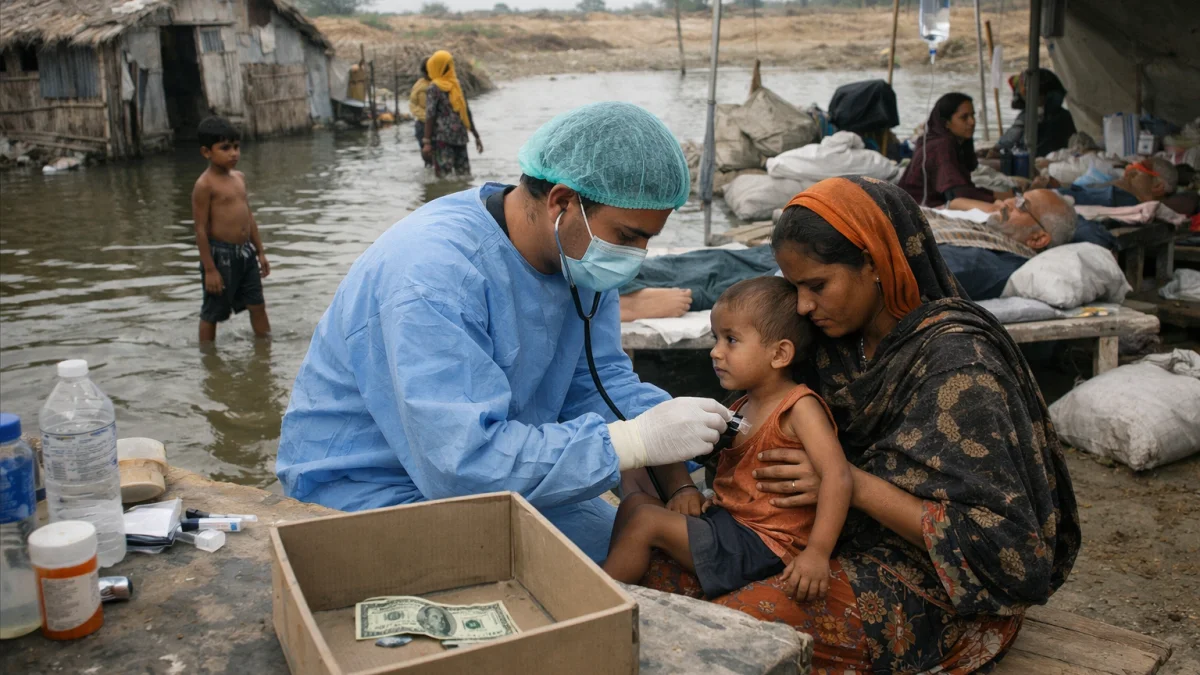
The funding shortfall is increasingly affecting health systems already facing growing pressures from heatwaves, floods, droughts, disease outbreaks and climate-related displacement, according to the World Health Organization (WHO).
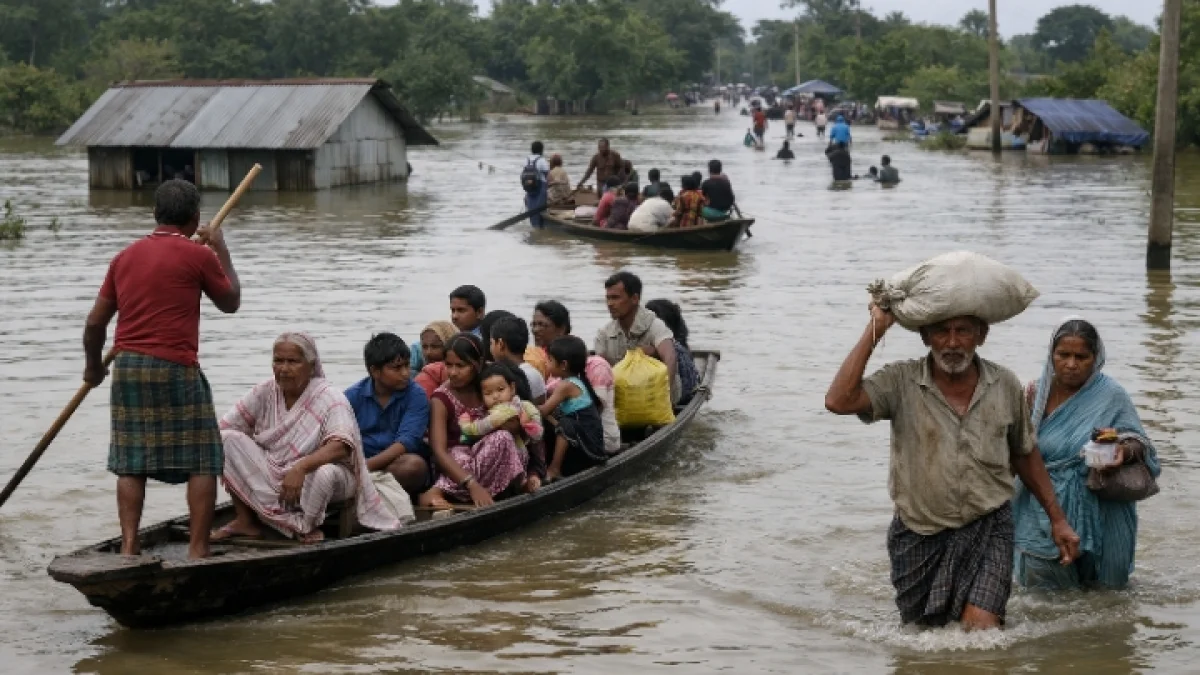
WHO said climate change is becoming a major driver of migration and displacement, creating new challenges for healthcare access while exposing gaps in research, preparedness and long-term investment. In a research action plan released in June, the agency identified significant evidence gaps surrounding the health impacts of climate-related migration and called for stronger international coordination and sustained financing.
The agency has also emphasized that financing climate-resilient health systems should build upon broader investments in healthcare infrastructure, workforce capacity and essential services while making greater use of international climate finance mechanisms, including the Green Climate Fund and Adaptation Fund.
U.N. Secretary-General António Guterres said during London Climate Action Week in June that climate adaptation remains "critically undervalued and underfunded," urging finance ministers and financial institutions to integrate climate risk into economic decision-making and mobilize additional public and private investment. He said developing countries face disproportionate climate risks despite contributing relatively little to global greenhouse gas emissions.
The funding challenge comes as broader development financing is also under strain. A U.N. report released this week estimated the annual financing gap for achieving the Sustainable Development Goals has widened to about $4 trillion, citing overlapping global crises and insufficient investment in resilience and sustainable development.
Health experts have increasingly characterized climate change as an immediate public health challenge rather than solely an environmental issue. WHO's European regional office said in May that climate change is already affecting food security, water supplies, disease risks and health systems, while calling for reforms to financial systems to support climate-resilient healthcare.
International organizations continue to urge governments and development partners to increase adaptation financing ahead of upcoming global climate negotiations, arguing that earlier investment in resilient health systems can reduce future humanitarian, economic and public health costs.