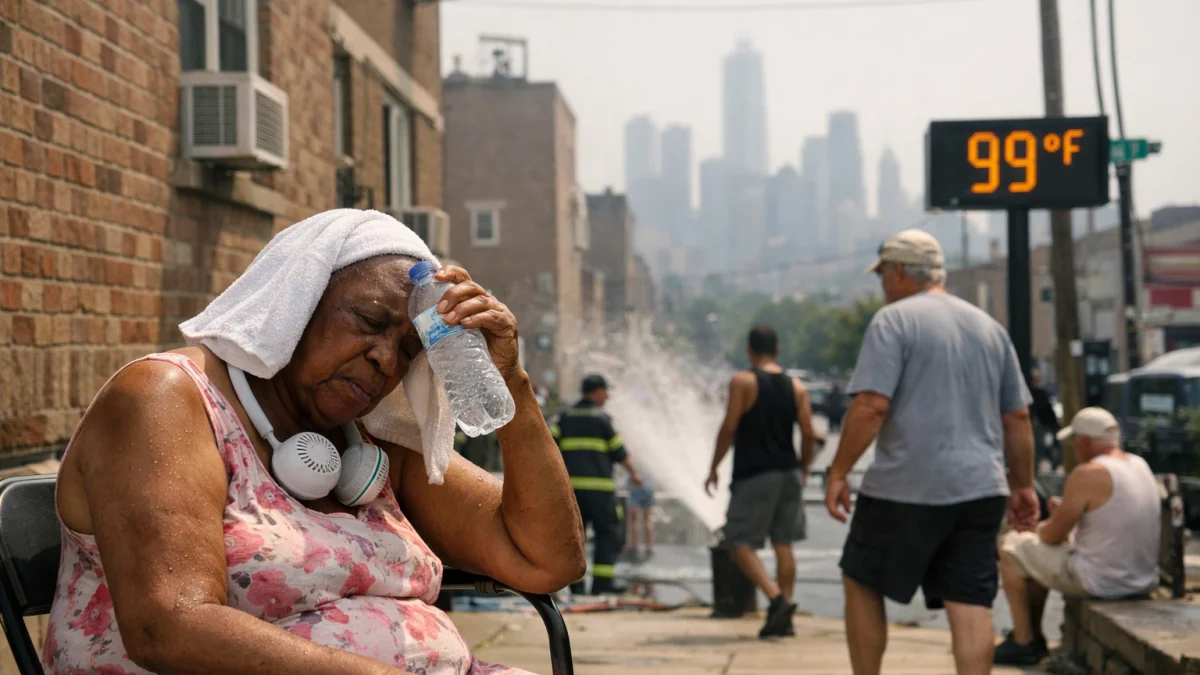
As temperatures climbed across the eastern United States this week, public officials and health workers prepared for a familiar summer challenge: helping people endure dangerous heat that can become deadly when combined with humidity, long stretches of high temperatures and limited access to cooling. In cities from the Midwest to the East Coast, emergency plans were activated as a large heat dome settled over the region, bringing forecasts of temperatures near or above 100 degrees Fahrenheit in some areas and heat index values reaching dangerous levels.
For many residents, the heat is more than a weather event. It is a test of whether homes, neighborhoods and public systems can provide protection when the air itself becomes a health risk.
The current heat wave has placed particular attention on people most exposed to extreme temperatures: older adults, people with medical conditions, outdoor workers, residents without reliable air conditioning and those living in dense urban areas where buildings and pavement can hold heat after sunset. The National Weather Service warned that much of the central and eastern United States faced elevated heat risks, with humidity increasing the strain on the human body and limiting overnight relief.
A heat dome occurs when a strong area of high pressure traps warm air over a region, allowing temperatures to rise and remain elevated for days. Meteorologists say these systems can create prolonged periods of dangerous heat, especially when nighttime temperatures stay high and prevent the body from recovering.
In Chicago, where memories of the deadly 1995 heat wave still shape emergency planning, officials have continued to refine systems designed to reach vulnerable residents before conditions become life-threatening. That disaster, which killed hundreds of people over several days, exposed failures in communication and community outreach. Since then, the city has expanded heat emergency planning, including cooling centers and public awareness efforts.
The challenge remains that heat does not affect all residents equally.
People who live in apartments without adequate cooling, work outdoors, or have limited mobility can face greater risks during prolonged heat. Public health officials have repeatedly warned that heat-related illness can develop quickly, particularly among older adults and people whose health conditions or medications make it harder for the body to regulate temperature.
Across the eastern U.S., local governments have responded by opening cooling centers, issuing heat advisories and encouraging residents to check on neighbors who may be isolated. In Pittsburgh, for example, officials activated cooling centers as temperatures approached dangerous levels and warned that residents without air conditioning could face increased risks. In Richmond, Virginia, authorities prepared for several days of extreme heat, with forecasts showing temperatures climbing into the upper 90s and low 100s in parts of the region.
The strain extends beyond individual households. High temperatures can increase demand for electricity as more people rely on air conditioning, putting pressure on energy systems. Heat can also affect transportation infrastructure, public spaces and outdoor events. Forecasters warned that the timing of the heat wave, arriving around the July Fourth holiday period, could increase exposure as people spend more time outside.
Scientists have linked the increasing frequency and intensity of extreme heat events to a warming climate. Warmer global temperatures raise the likelihood of more intense heat waves, and researchers have found that human-caused warming is making many extreme heat events more severe than they would have been in the past.
But the immediate decisions facing communities are often practical: who has access to a cool place, who receives a warning, and who has someone checking in.
In many cities, community organizations and public agencies rely on networks of outreach workers, volunteers and neighborhood groups to help identify people who may need assistance. These efforts have become a central part of modern heat response because extreme temperatures can become dangerous quietly, affecting people inside homes as well as those outside.
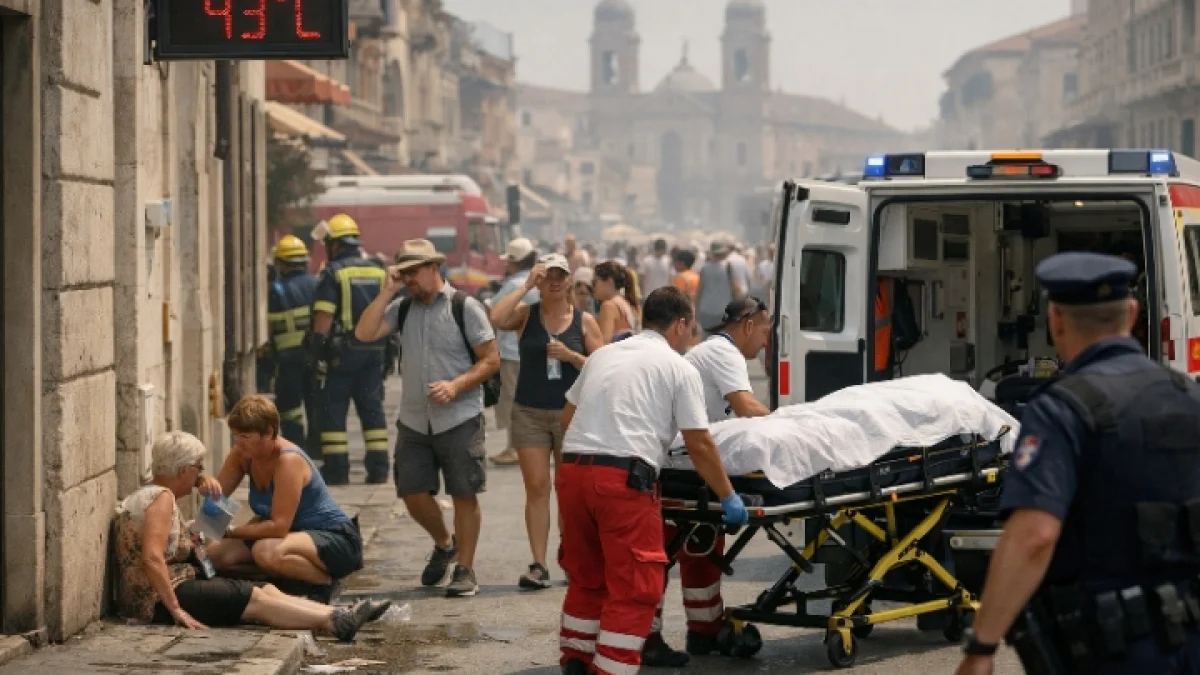
The current heat dome is also part of a broader pattern of severe heat affecting multiple regions. While the United States faced dangerous conditions across its eastern half, Europe was also experiencing a major heat wave, with authorities warning about health risks from prolonged high temperatures.
For emergency officials, the goal is preventing a repeat of past tragedies by recognizing heat as a public health emergency rather than simply an uncomfortable forecast.
The National Weather Service has advised residents to stay hydrated, avoid unnecessary exposure during the hottest parts of the day, seek air-conditioned environments when possible and pay attention to people who may be more vulnerable.
As the heat settles over eastern cities, the response is being measured not only by temperature readings but by whether the people most at risk can find relief before the danger passes.