By early morning, public parks, walking trails and neighborhood streets in many communities are already busy. Runners finish their routes before sunrise. Youth sports leagues shift practices to dawn or postpone them until evening. Outdoor markets open earlier, while local officials extend the hours of cooling centers as temperatures climb toward levels that only a few years ago would have been considered exceptional.
Across parts of North America and Europe, routines that once defined summer are being reorganized around extreme heat. Holiday celebrations, festivals and sporting events are being rescheduled or shortened as communities try to balance tradition with public safety during one of the hottest starts to summer on record.
The adjustments reflect more than temporary inconvenience. They illustrate how rising temperatures are steadily reshaping daily life, forcing families, businesses and local governments to rethink customs that have long been built around warm-weather gatherings. Scientists say the growing frequency and intensity of heatwaves are consistent with a warming climate driven largely by human-caused greenhouse gas emissions.
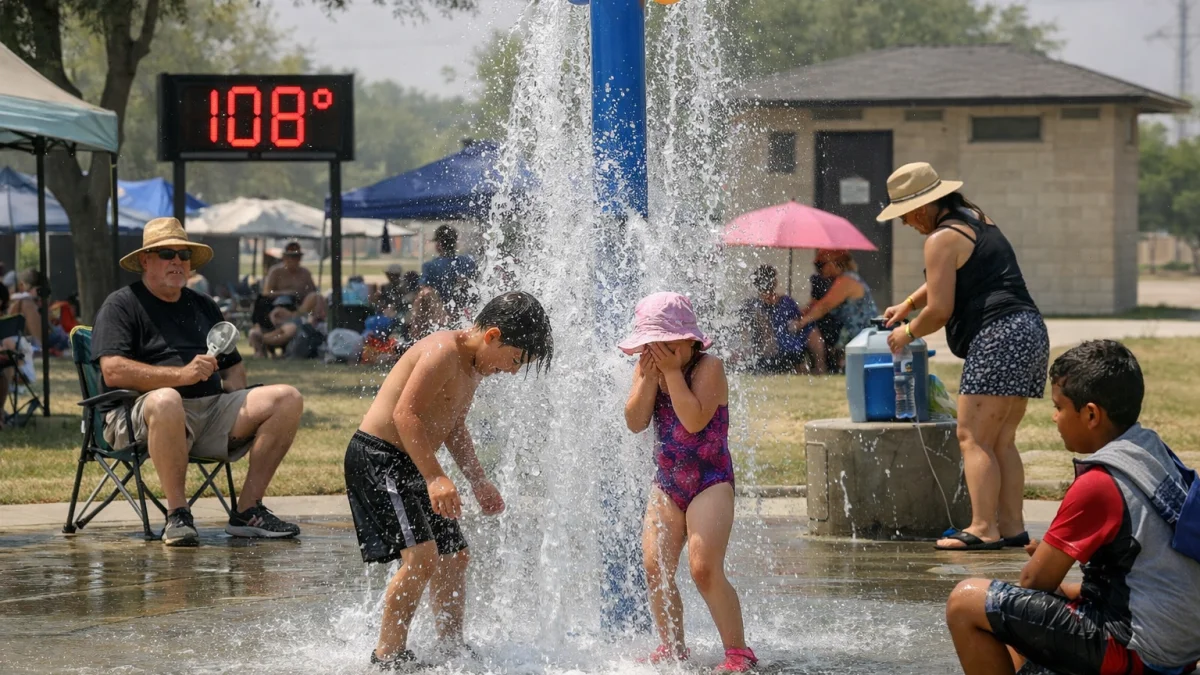
In the United States, dangerous heat spread from the Midwest into the East ahead of the Fourth of July holiday, placing tens of millions of people under heat warnings. Forecasters warned that heat index values in some areas could reach between 100 and 115 degrees Fahrenheit (38 to 46 degrees Celsius), increasing the risk of heat-related illness while placing additional strain on electricity grids as air-conditioning demand surged.
The timing carried unusual significance as Americans prepared to celebrate the nation's 250th anniversary. Organizers in several communities altered schedules, postponed activities or encouraged participants to seek shade and hydration. Some events introduced misting stations and expanded medical staffing, while others shifted programs toward cooler hours of the day.
In Washington, visitors gathered beneath trees and temporary shade structures near national landmarks while children cooled off in public fountains. In Atlanta, cooling stations distributed water and cooling packs to residents seeking relief from afternoon temperatures. Workers whose jobs required long hours outdoors described carrying extra water and relying on fans or frequent breaks whenever possible.
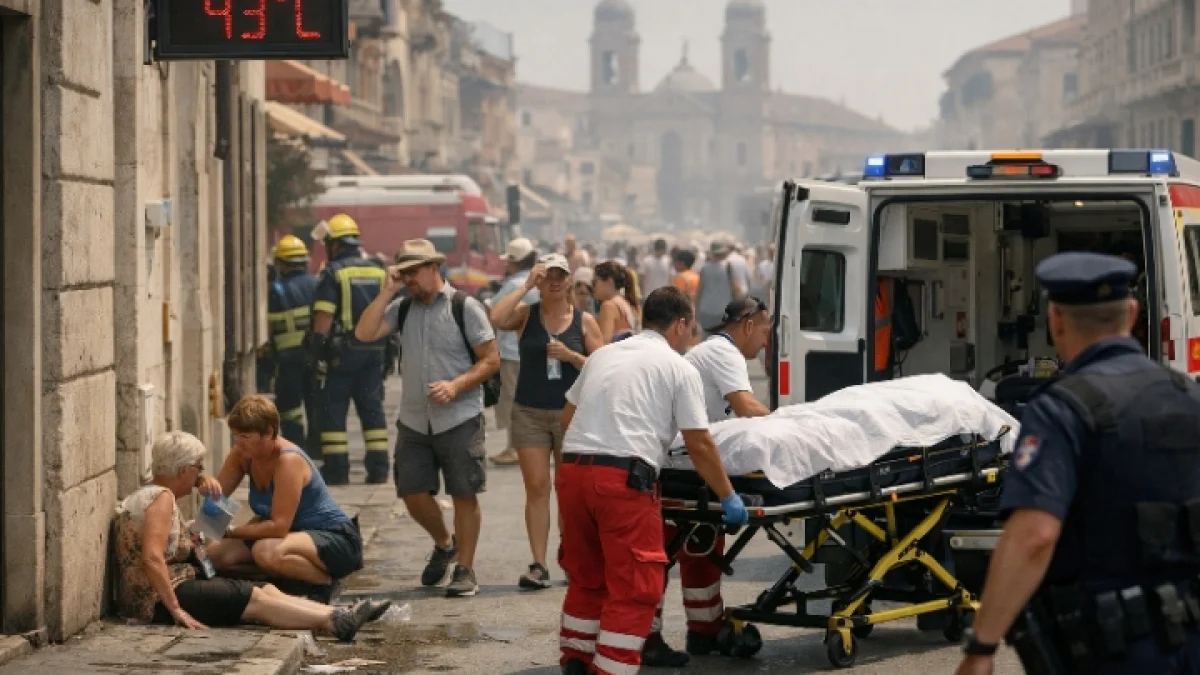
Similar adaptations unfolded across Europe after a record-breaking late-June heatwave pushed temperatures above 40 degrees Celsius in several countries. Authorities issued health alerts, restricted some outdoor activities and advised residents to avoid the hottest parts of the day. Scientists described the event as one of the most severe heatwaves the continent has experienced and said climate change made such temperatures far more likely.
The consequences extended well beyond discomfort. Public health officials in France reported significant excess mortality during the hottest period, with older adults accounting for most of the deaths. Transportation systems faced disruptions as high temperatures affected rail infrastructure, while electricity networks and water resources came under increasing pressure.
Communities also found themselves reconsidering the rhythms of everyday commerce. Researchers studying consumer behavior have found that while moderate warmth can encourage purchases of cold beverages, extremely high temperatures often have the opposite effect as people choose to remain indoors or prioritize hydration over alcohol. Beverage companies have responded by expanding low- and no-alcohol offerings while retailers adjust to changing customer patterns.
For many families, the changes are less about dramatic decisions than small adjustments repeated day after day. Children's outdoor play moves to early mornings. Evening walks replace afternoon outings. Construction crews and landscapers begin work before sunrise whenever regulations and schedules permit. Schools running summer programs increasingly rely on indoor facilities during peak afternoon heat.
Climate researchers say such behavioral shifts are becoming an important measure of how societies adapt to rising temperatures. While air conditioning remains a critical safeguard in many places, experts note that not everyone has equal access to cooling, making public cooling centers, shaded public spaces and community outreach increasingly important during prolonged heat events.
The environmental effects are equally visible. In Switzerland, scientists monitoring glaciers reported that protective winter snow disappeared from parts of the Rhone Glacier unusually early, exposing centuries-old ice to accelerated melting during the intense heat. Researchers warned that continued high temperatures could erase large amounts of glacier ice before summer ends.
Meteorologists also point to unusually warm nighttime temperatures as a growing concern. When overnight conditions remain hot, buildings retain heat and people receive less physiological relief, increasing health risks, particularly for older adults and those with chronic illnesses.
Communities have long adapted to changing weather, but many officials say the pace of recent adjustments reflects how exceptional heat is becoming less exceptional. Emergency plans that once focused primarily on storms or floods now routinely include heat-response strategies. Recreation departments revise schedules. Event organizers prepare contingency plans. Public messaging increasingly emphasizes hydration, shade and recognizing the symptoms of heat illness.
The result is a quieter transformation of summer itself. Traditions endure, but they increasingly begin before sunrise, continue after sunset or move indoors when afternoon temperatures become unsafe. As another holiday weekend unfolds under widespread heat alerts, communities are preserving familiar rituals by changing when, where and how they take place—a practical response to a climate in which the hottest days are becoming an increasingly familiar part of the season.