As the Independence Day holiday approached, Americans across a broad stretch of the country adjusted daily routines around a threat that could not be seen but was impossible to ignore. Parents moved children's outdoor activities to early morning. Construction crews started shifts before sunrise. Older residents searched for cooling centers, while families weighed whether traditional backyard celebrations were worth the health risks posed by oppressive heat.
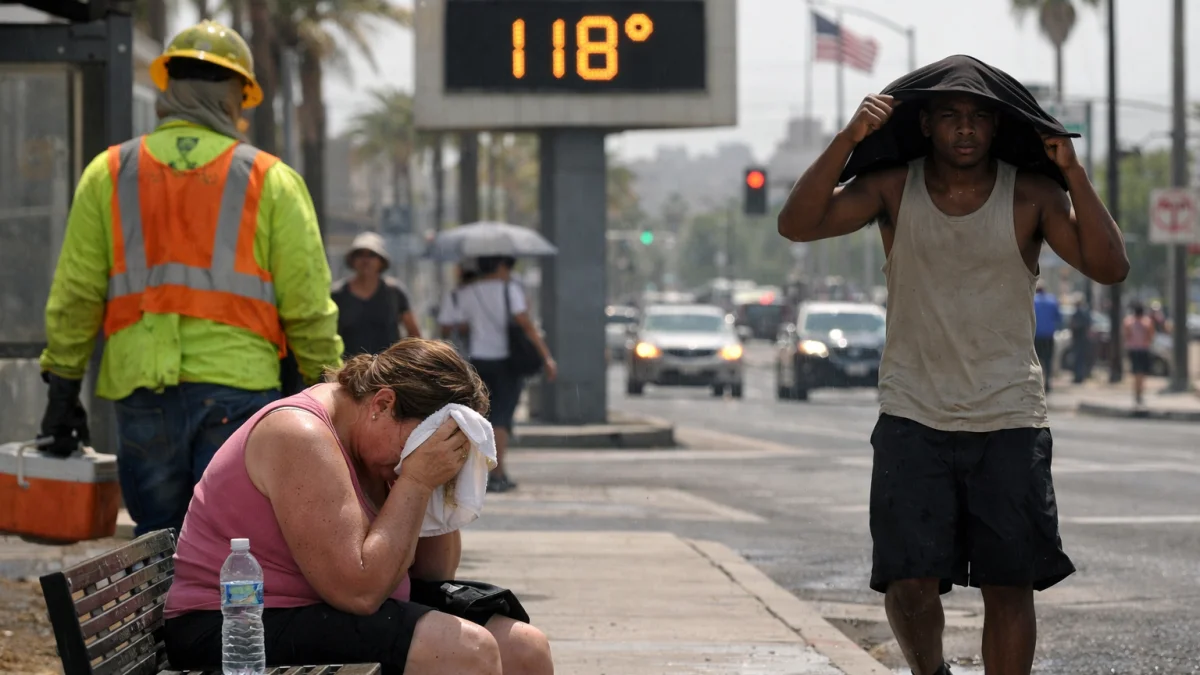
The dangerous conditions arrived during one of the busiest travel and recreation periods of the year, when millions typically gather outdoors for parades, cookouts and fireworks. Instead, meteorologists warned that much of the central and eastern United States faced a prolonged period of potentially life-threatening temperatures and humidity driven by a powerful heat dome, with heat index values reaching between 100 and 115 degrees Fahrenheit in many locations.
The timing underscored how extreme heat has become an increasingly disruptive feature of American summers. What once might have been viewed as uncomfortable weather has evolved into a public health emergency that touches nearly every aspect of daily life, from work schedules and electricity demand to major sporting events and holiday traditions.
In Kansas, outdoor workers described beginning physically demanding jobs well before the afternoon heat intensified. Across Texas, residents worried not only about keeping their homes cool but also about rising electricity costs and the possibility of power disruptions as air-conditioning demand surged. In Chicago, city officials encouraged residents to check on elderly neighbors and relatives while expanding services for vulnerable people through municipal assistance programs.
New York City opened hundreds of cooling centers and dispatched mobile outreach teams to neighborhoods where residents might struggle to escape the heat. Officials also appealed to businesses and households to reduce electricity consumption where possible by raising thermostat settings and limiting unnecessary lighting, reflecting concerns that record demand could strain regional power systems.
The National Weather Service warned that the combination of extreme temperatures and humidity posed particular dangers because overnight conditions were expected to remain unusually warm, leaving many communities with little opportunity to recover between successive hot days. Public health experts have long noted that sustained nighttime warmth can increase heat-related illness, especially among older adults, young children, outdoor workers and people without reliable access to air conditioning.
The heat also became part of the experience for thousands of visitors attending the FIFA World Cup in the United States. In Philadelphia, where temperatures climbed toward 100 degrees Fahrenheit, fans sought shade, carried water bottles and gathered around cooling stations as they waited to enter stadiums. Visitors from cooler climates acknowledged that the humidity proved especially challenging, while organizers emphasized hydration and frequent breaks from direct sunlight.
For emergency managers, the holiday presented an unusual combination of risks. Independence Day celebrations traditionally encourage long hours outdoors, often on asphalt parking lots, sidewalks and open fields where surface temperatures can far exceed the surrounding air. Researchers have warned that pavement and concrete can become hot enough to cause burns after prolonged exposure while also intensifying the urban heat island effect that keeps cities warmer than surrounding rural areas.
Many communities responded by modifying public plans rather than canceling them outright. Cooling stations, misting tents and additional medical personnel became common features at public gatherings. Organizers urged visitors to drink water frequently, wear lightweight clothing and recognize early symptoms of heat illness before they became emergencies.
The weather system responsible for the dangerous conditions was a large, slow-moving area of high atmospheric pressure known as a heat dome. Such systems trap hot air beneath stable conditions while allowing sunshine to further warm the ground day after day. The result can be prolonged stretches of extreme temperatures covering hundreds of miles, affecting tens of millions of people simultaneously.
Scientists increasingly view events like this within a broader pattern of a warming climate. While no single heat wave can be attributed solely to climate change, researchers say human-caused warming has increased both the likelihood and intensity of many extreme heat events. Climate experts note that rising average temperatures make records easier to break and allow dangerous heat to persist for longer periods, particularly in densely developed urban areas where buildings and pavement retain warmth overnight.
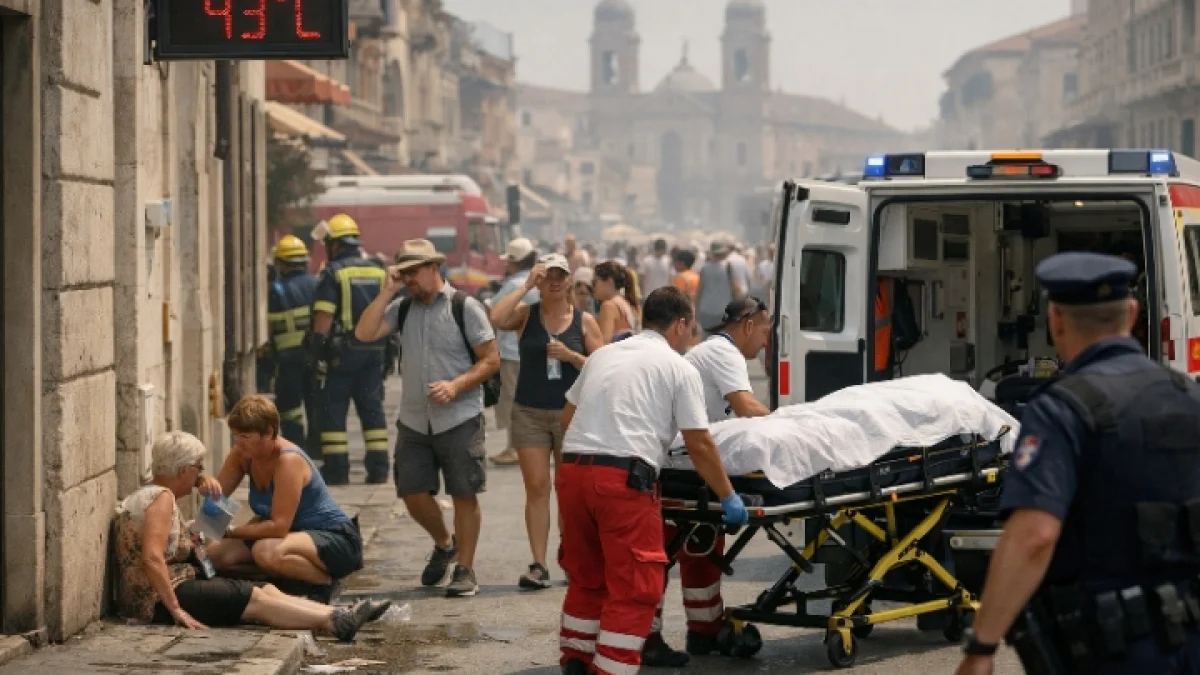
The effects extend well beyond individual discomfort. Utilities prepared for record electricity demand as millions relied continuously on air conditioning. Hospitals and emergency responders monitored increases in heat-related illnesses. Local governments coordinated transportation to cooling centers, while nonprofit organizations expanded outreach to people experiencing homelessness or living alone without adequate cooling.
Even routine decisions acquired new significance. Gardeners watered plants before dawn to reduce evaporation. Pet owners shortened walks or waited until sunset to avoid scorching pavement. Families planning fireworks displays packed extra water, umbrellas and portable fans alongside picnic supplies.
As Americans prepared to celebrate the nation's 250th Independence Day, the weather served as a reminder that one of the country's most consistent natural hazards often receives less attention than hurricanes, floods or tornadoes despite causing substantial health risks each year. Across neighborhoods, cities and rural communities alike, the holiday weekend became not only a celebration but also a test of preparation, resilience and the simple precautions that can make the difference between enjoying summer traditions and becoming another victim of extreme heat.