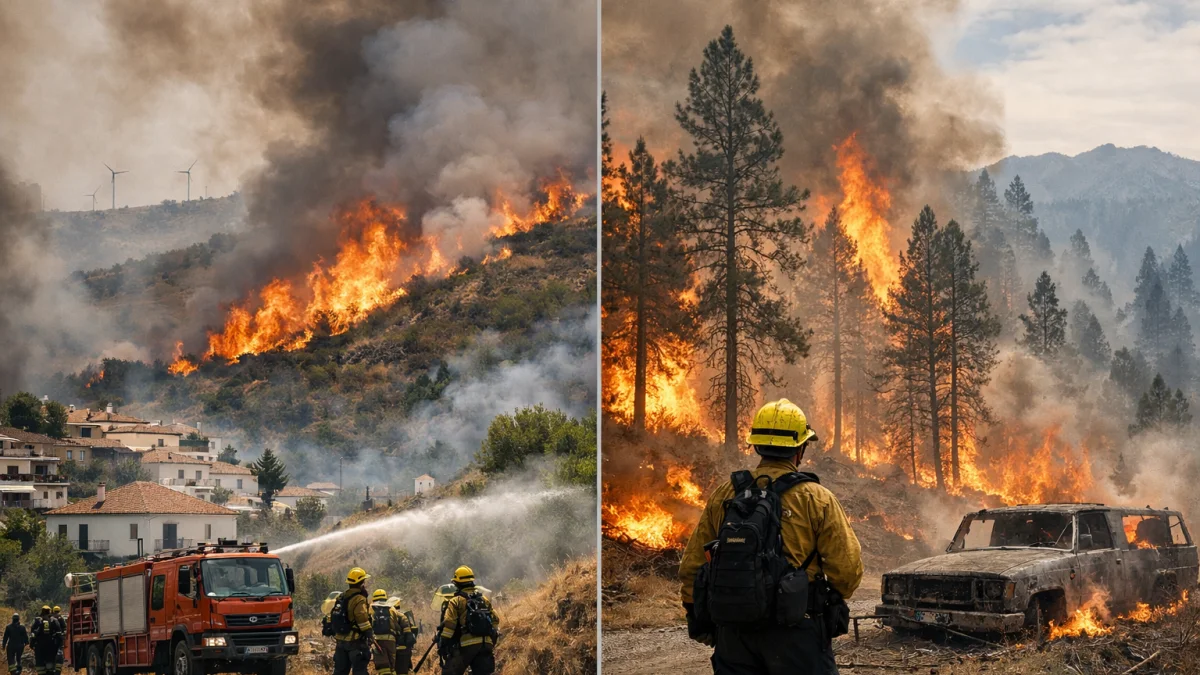
PARIS — Wildfires continued to burn across parts of Europe and the western United States on Friday as firefighters battled multiple blazes amid persistent heat and dry conditions, prompting evacuations, emergency deployments and renewed warnings from authorities about elevated fire danger.
Across Europe, emergency services remained engaged in France, Spain and other affected countries after weeks of intense heat increased wildfire risk. The European Forest Fire Information System (EFFIS), operated by the European Commission's Joint Research Centre, said more than 167,000 hectares had burned across the European Union since the start of 2026, exceeding the long-term average for this point in the year. It forecast very extreme fire danger across parts of the British Isles, France and northern Iberia through the coming days.
France has faced several major fires this month, including blazes that forced evacuations and disrupted transport near the Fontainebleau forest south of Paris. Authorities deployed hundreds of firefighters and aerial firefighting aircraft, while investigators examined the causes of some fires, including possible arson in certain cases.
Spain has also experienced a severe wildfire season, with officials reporting fatalities and extensive damage in recent fires in the country's south during successive heatwaves. Emergency crews have continued monitoring hotspots while authorities urged residents to comply with evacuation orders and fire safety restrictions.
The European Union has mobilized firefighting aircraft, personnel and cross-border assistance through its Civil Protection Mechanism to support member states affected by multiple simultaneous fires. The Commission said additional resources were positioned ahead of the summer season to improve response capacity following record wildfire activity in 2025.
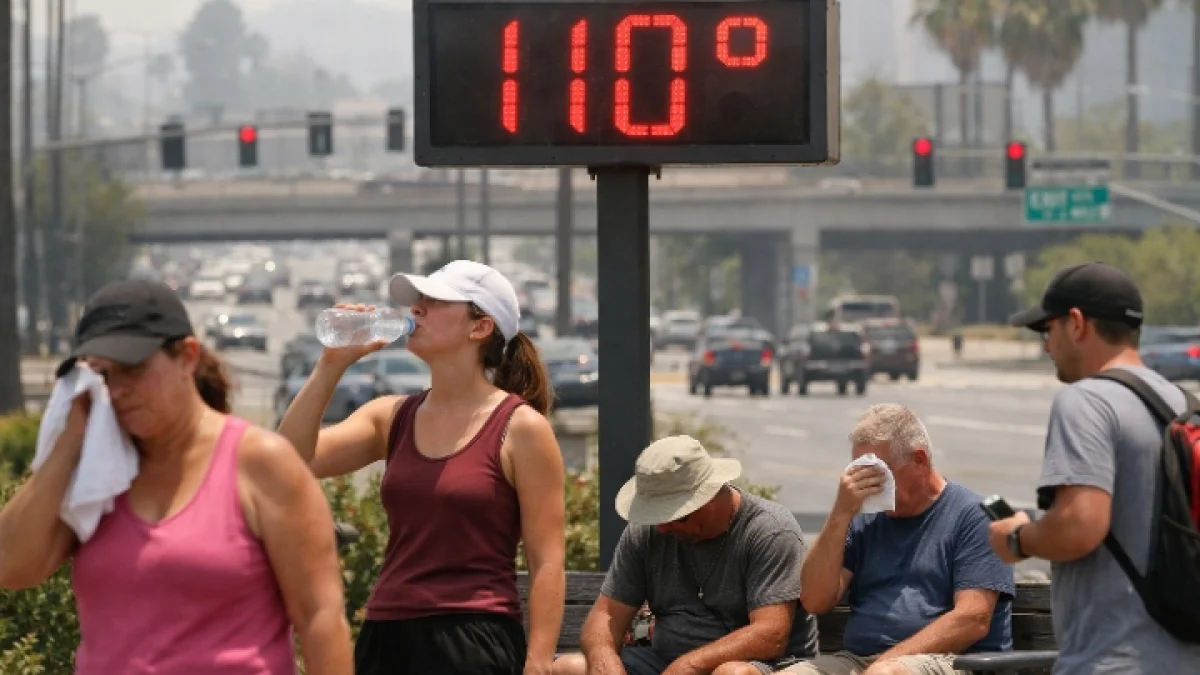
In the western United States, wildfire activity also remained elevated as hot, dry weather persisted across several states. Fire crews continued efforts to contain active blazes, while officials warned that high temperatures, low humidity and gusty winds could contribute to rapid fire growth. Emergency agencies in affected states urged residents in threatened areas to remain prepared for possible evacuation orders.
Scientists and emergency management agencies have repeatedly warned that prolonged heatwaves and drought increase vegetation dryness and create conditions favorable for large wildfires, although the ignition of individual fires can result from a variety of natural and human causes.
Authorities across both Europe and the western United States said firefighting operations were continuing on Friday, with weather conditions expected to remain a critical factor in determining whether existing fires could be contained or new outbreaks would emerge.