WASHINGTON — Fresh U.S. inflation data this week showed consumer price pressures eased more than economists had expected in June, prompting investors to scale back expectations that the Federal Reserve would need to raise interest rates in the near term, though policymakers cautioned that one favorable report was not enough to declare inflation under control.
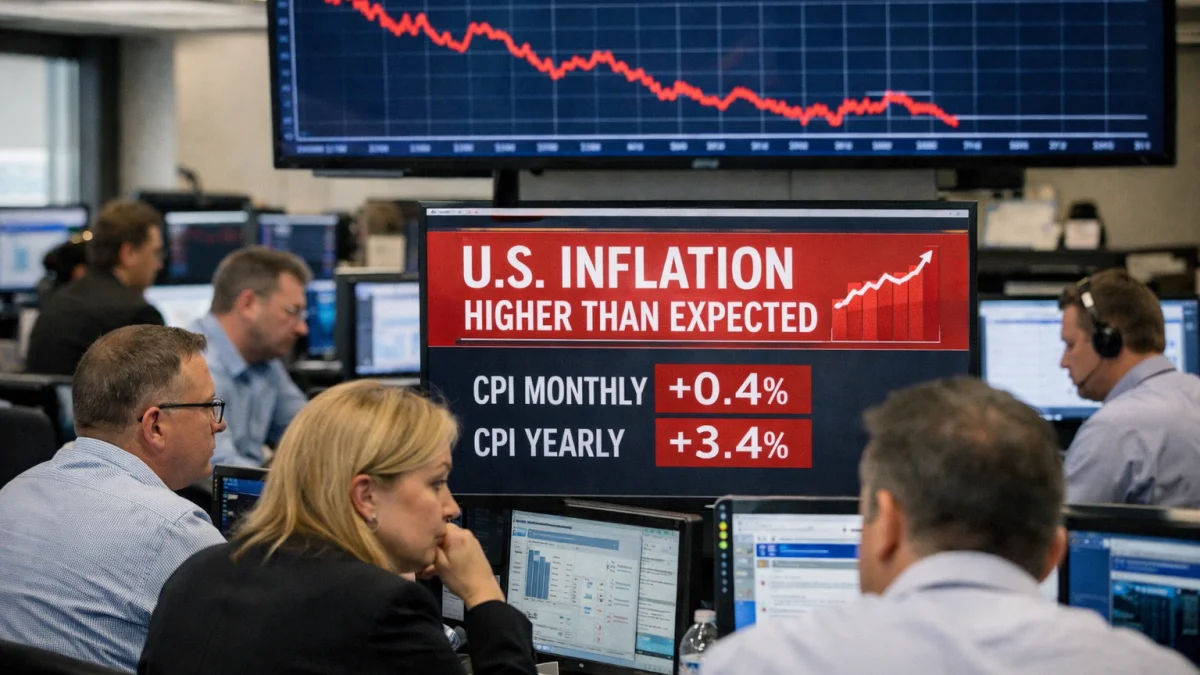
The Labor Department said the Consumer Price Index fell 0.4% on a seasonally adjusted monthly basis after rising 0.5% in May. Annual inflation slowed to 3.5% from 4.2% the previous month, while energy prices dropped sharply, offsetting increases in several other categories. Core inflation, which excludes volatile food and energy prices, was flat on the month.
The figures contrasted with economists' expectations for a smaller decline in headline prices and suggested that easing fuel costs following a temporary reduction in oil prices had provided relief to consumers. However, inflation remained above the Federal Reserve's 2% target, and officials stressed that additional evidence would be needed before drawing conclusions about the broader trend.
Federal Reserve Chair Kevin Warsh said after the release that policymakers should avoid placing excessive weight on a single inflation report, while Chicago Federal Reserve President Austan Goolsbee similarly said more months of favorable data would be necessary to build confidence that price pressures were easing sustainably.
Other policymakers struck a more cautious tone. Kansas City Federal Reserve President Jeff Schmid warned that inflation remained a significant concern and said policymakers should stay focused on returning inflation to target, noting that geopolitical developments and energy prices could quickly alter the outlook.
Financial markets interpreted the data as reducing the likelihood of an interest-rate increase at the Federal Reserve's July 28–29 policy meeting. Investors continued to monitor incoming economic indicators, including employment, inflation and spending data, for further signals on the direction of monetary policy.
Separate data released on Friday showed U.S. import prices unexpectedly increased in June, reflecting higher costs for capital goods and consumer products despite lower fuel prices. Economists said the figures suggested underlying price pressures linked to trade and business investment remained present even as headline consumer inflation moderated.
The Federal Reserve's next scheduled policy meeting remains set for late July, when officials are expected to assess a broader range of economic data before announcing any changes to interest rates.