NEW YORK — Rising oil prices are renewing concerns that higher energy costs could slow progress on inflation, as crude markets climbed on renewed geopolitical tensions and fears of disruptions to key supply routes, increasing pressure on consumers and central banks monitoring price stability.
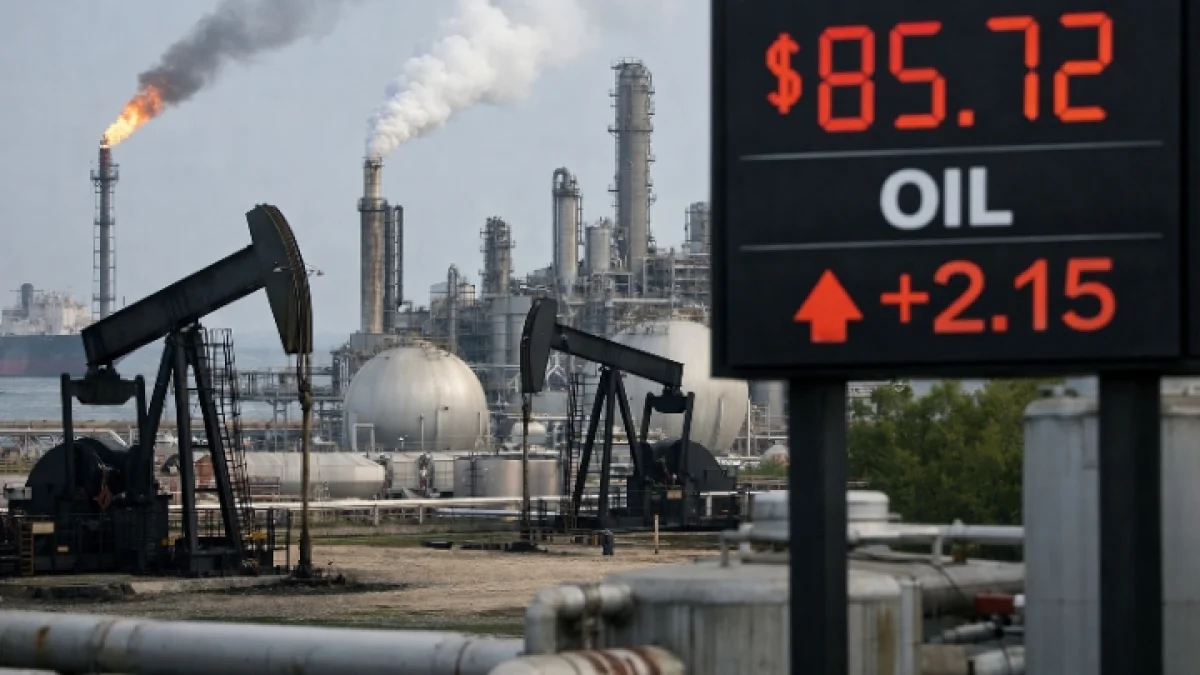
Brent crude prices rose to near six-week highs on Wednesday, reaching about $95 a barrel after escalating tensions involving the United States and Iran raised concerns over oil transportation routes in the Middle East. U.S. West Texas Intermediate crude also advanced, with market participants assessing the potential impact on global supply flows.
Energy analysts and policymakers have warned that sustained increases in oil prices can feed into broader inflation through higher fuel, transportation and production costs. The impact can vary by country depending on energy dependence, government subsidies and the ability of businesses to absorb higher input costs.
The International Energy Agency said in its July oil market report that renewed hostilities had increased uncertainty around supply conditions, with the outlook dependent on the recovery of tanker flows and production levels. The agency said global oil markets faced risks if disruptions in major transit routes continued.
Central banks have been closely watching energy prices as they weigh future interest-rate decisions. In Japan, the Bank of Japan has been monitoring inflation risks linked to higher energy costs and imported inflation, according to sources familiar with the matter.
Higher oil prices could complicate efforts by policymakers to maintain downward inflation trends. While some economies have recently seen inflation pressures ease, a prolonged increase in energy costs could affect consumer prices and business expenses.
Market reactions have extended beyond energy markets, with global investors assessing the potential effects of higher oil prices on economic growth and monetary policy.
The Organization of the Petroleum Exporting Countries and its allies have continued efforts to manage market stability through production adjustments. OPEC+ members previously agreed to changes in output levels as part of efforts to respond to changing market conditions.
Officials and investors are now watching developments in the Middle East, global oil inventories and shipping conditions for signs of whether the latest price increases will persist or ease.