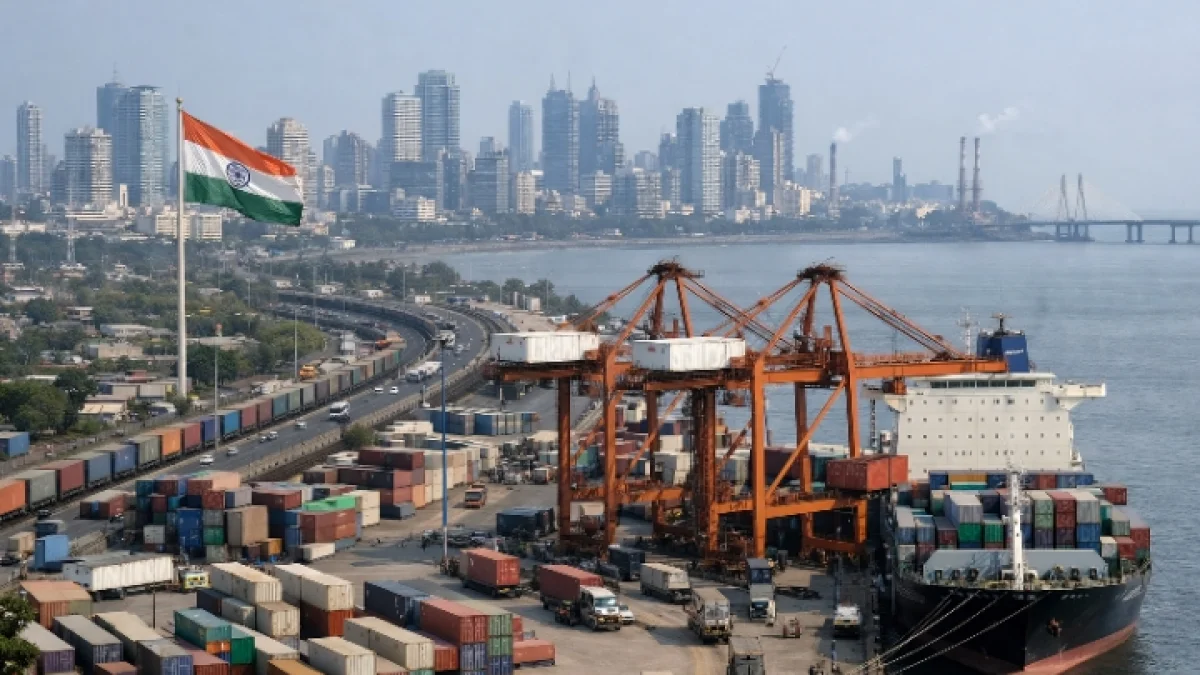
NEW DELHI—India's economy continues to show resilience despite heightened tensions in West Asia, with policymakers maintaining growth expectations while acknowledging that higher energy prices and external uncertainty pose risks to inflation and economic activity.
Reserve Bank of India (RBI) Governor Sanjay Malhotra said India's macroeconomic fundamentals remain strong, although weaker monsoon conditions and the conflict in West Asia could weigh on growth in the months ahead. He said domestic demand, investment activity and financial-sector stability continued to support the economy despite an increasingly uncertain global environment.
The RBI has previously projected real gross domestic product growth of about 6.9% for the 2026-27 fiscal year, while noting that risks remain tilted to the downside if geopolitical tensions lead to sustained increases in crude oil prices or disruptions to global supply chains. The central bank has also warned that energy-market volatility could add to inflationary pressures.
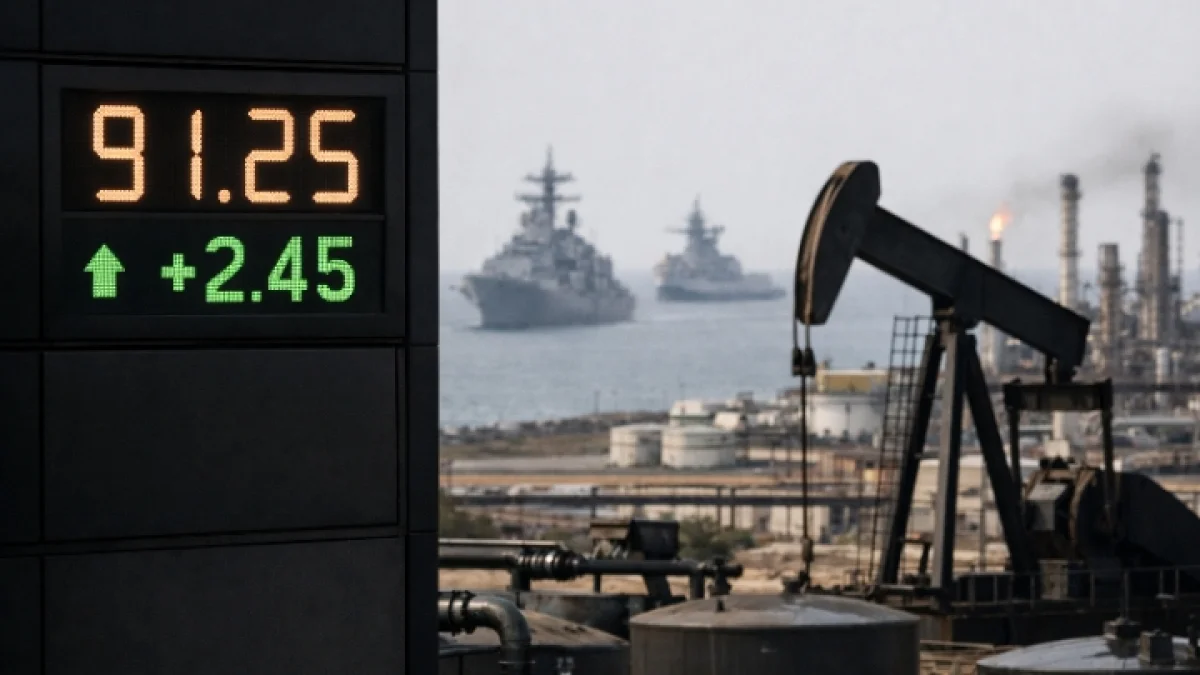
India, the world's third-largest oil importer and consumer, remains exposed to fluctuations in global crude prices. Fighting and instability in West Asia have raised concerns over shipping routes and energy supplies, prompting closer monitoring by policymakers and financial markets. Economists say persistently higher oil prices could increase import costs and widen inflationary pressures, although India's diversified economy and strong domestic consumption have helped cushion the impact so far.
International institutions have continued to rank India among the world's fastest-growing major economies despite lowering global growth forecasts amid geopolitical uncertainty. The International Monetary Fund's July update projects India's economy to expand by about 6.4% in 2026, while the United Nations has said the country is expected to maintain stronger growth momentum than most regional peers even as the broader South Asian outlook weakens because of the Middle East conflict.
Government officials have also pointed to resilient domestic demand, investment and exports as supporting economic activity. Finance Ministry projections published earlier this year estimated real GDP growth in a range of 6.8% to 7.2% for the current fiscal year following stronger-than-expected expansion in 2025-26.
Analysts said the trajectory of crude oil prices, monsoon rainfall and developments in West Asia will remain key factors shaping India's inflation outlook and monetary policy in the coming months. The RBI has indicated that future policy decisions will continue to depend on incoming economic data and evolving global conditions.