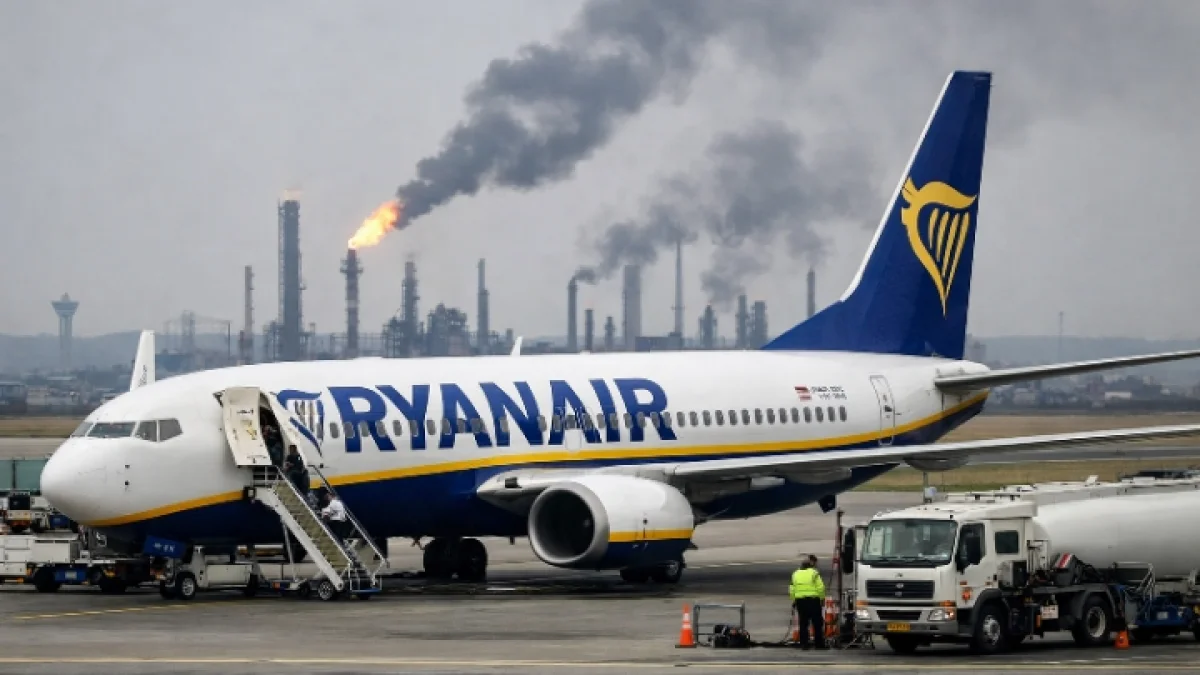
DUBLIN — Ryanair reported a 34% drop in first-quarter profit as sharply higher fuel costs linked to the conflict involving Iran and weaker ticket prices offset continued growth in passenger traffic, with the airline warning that pricing is likely to remain under pressure through the peak summer travel season.
Europe's largest airline by passenger numbers said profit after tax for the three months ended June 30 fell to €538 million from €820 million a year earlier. Revenue edged up 1% to €4.38 billion as passenger numbers increased 6% to 61.3 million, while operating costs rose 11% to €3.81 billion.
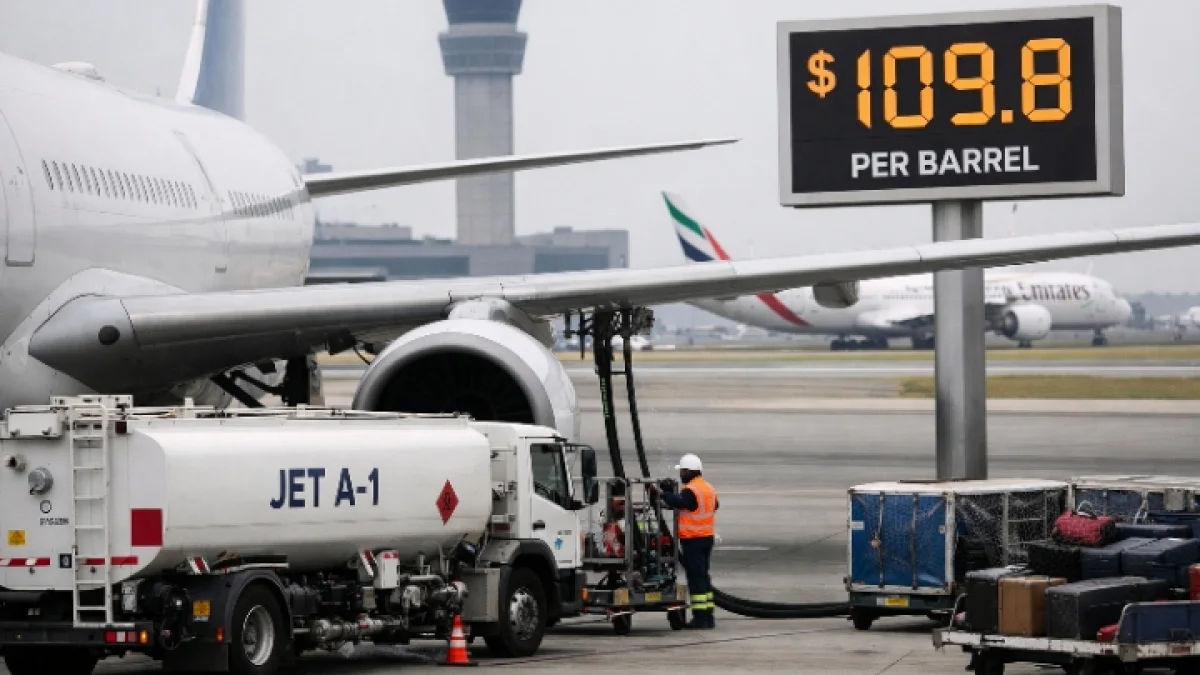
Chief Executive Michael O'Leary said the company's 20% unhedged jet fuel exposure became significantly more expensive during the quarter as oil prices climbed amid the Middle East conflict. He also said average fares declined 6% as customers delayed booking travel because of geopolitical uncertainty, concerns over jet fuel availability and broader economic uncertainty.
"The price of our 20% unhedged fuel doubled in the quarter and fares fell 6%," O'Leary said in the company's earnings presentation, attributing the trend primarily to the impact of the conflict in the Middle East and the timing of the Easter holiday.
Despite the earnings decline, Ryanair maintained a load factor of 94%, unchanged from a year earlier, as it continued to fill aircraft while expanding traffic across its European network. The airline said unit costs increased 5%, driven largely by higher fuel expenses.
The carrier said it remains partly insulated from future fuel price volatility because around 80% of its fuel requirements for the current financial year are hedged at about $67 per barrel. It also said it ended the quarter debt-free after repaying its final €1.2 billion bond in May and held more than €2.8 billion in gross cash.
However, Ryanair cautioned that the outlook remains uncertain. O'Leary said average fares in the current quarter are expected to remain down by a mid-single-digit percentage compared with a year earlier as consumers remain cautious.
The airline said its performance for the remainder of the financial year will depend on factors including any further escalation of conflicts in the Middle East and Ukraine, movements in unhedged jet fuel prices, broader macroeconomic conditions and disruptions caused by European air traffic control strikes.