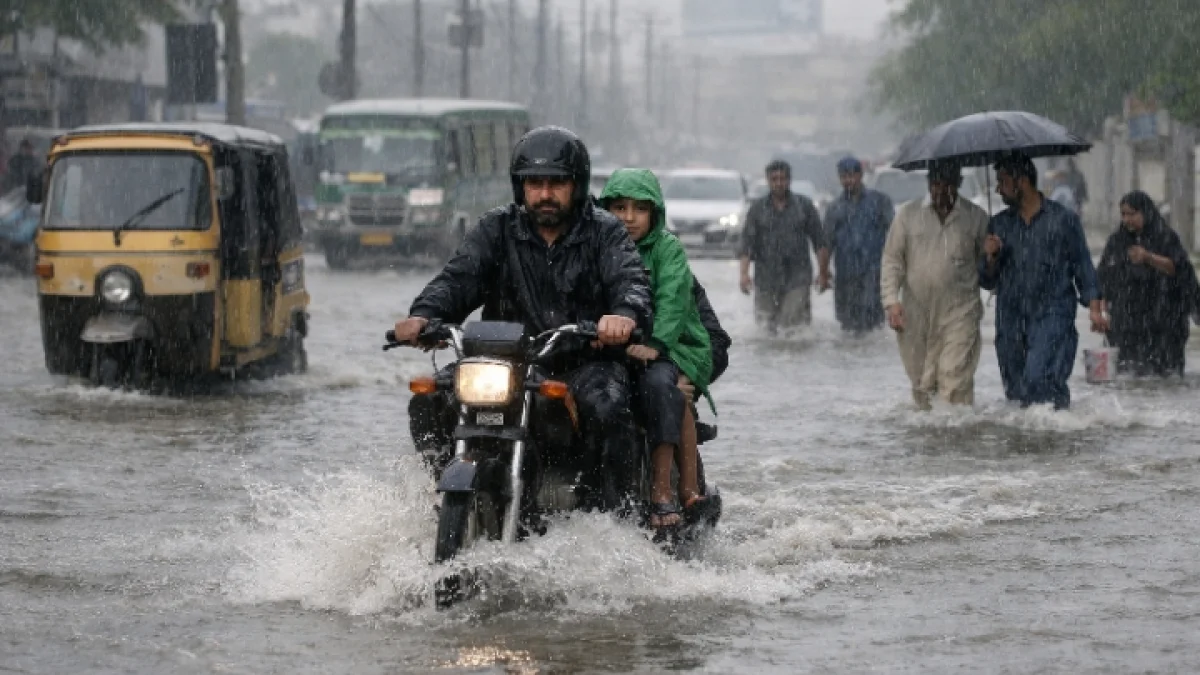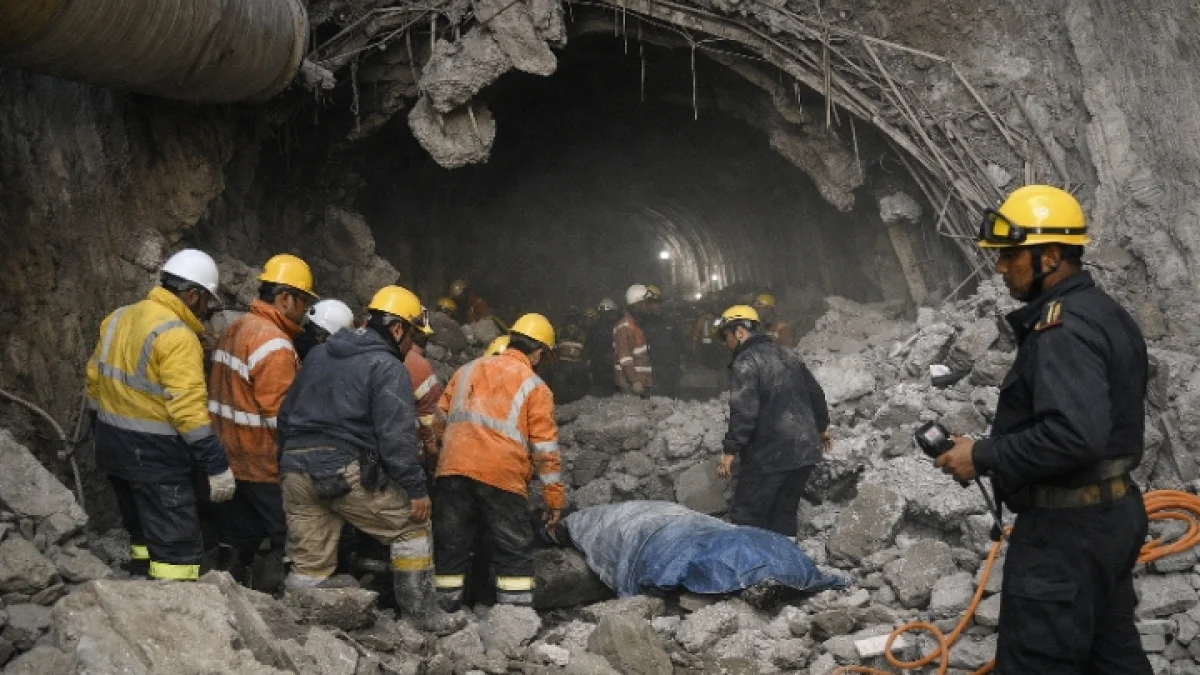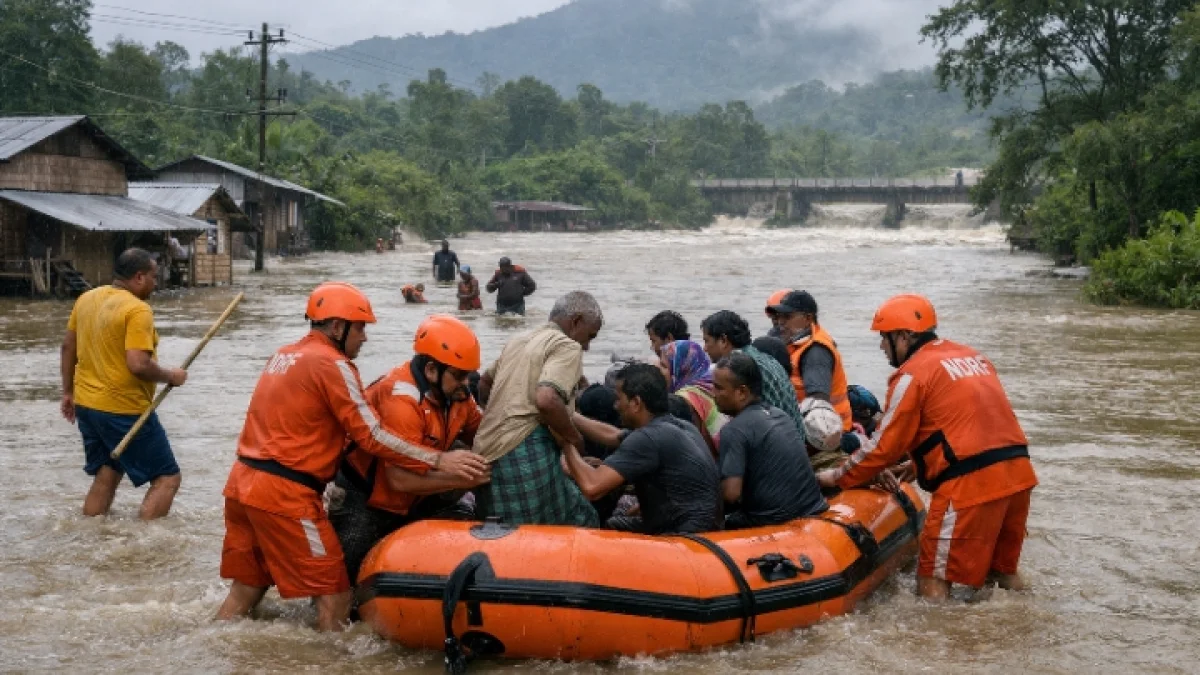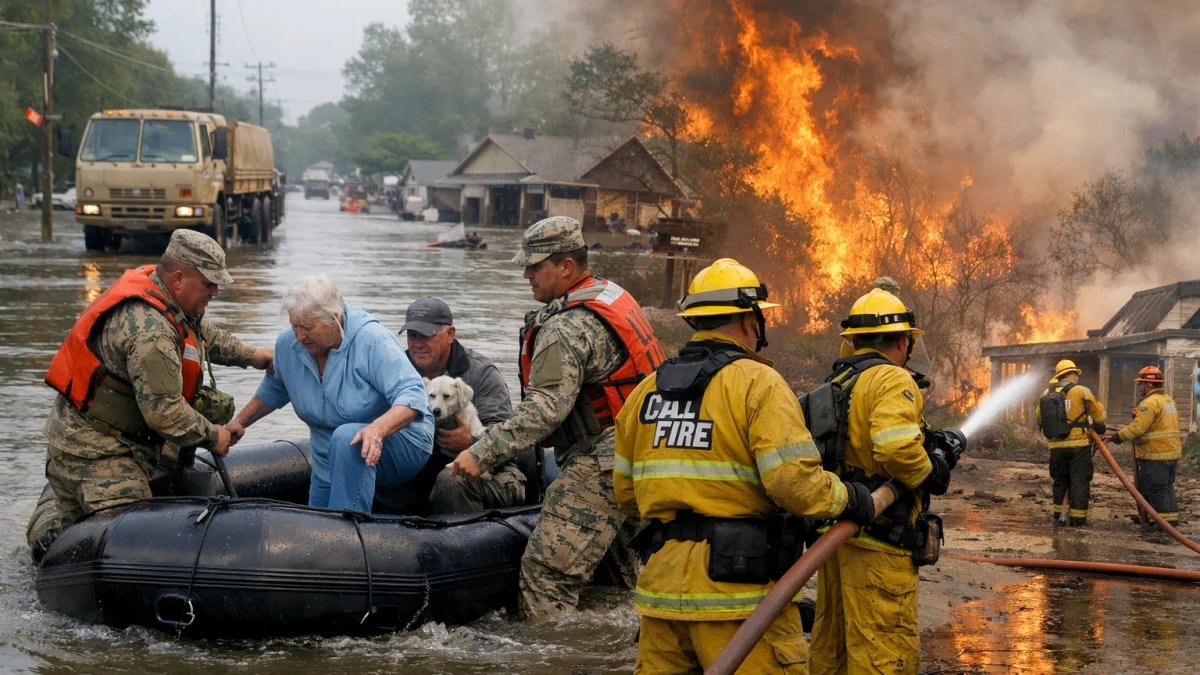
A succession of extreme weather emergencies across the United States in July has underscored the growing difficulty of responding simultaneously to prolonged heat, wildfire activity and renewed flood threats, highlighting the increasing demands placed on emergency management systems, public infrastructure and long-term climate resilience planning.
The convergence of multiple hazards is significant because it illustrates how disaster response is shifting from managing isolated emergencies to sustaining operations across overlapping events that strain personnel, energy systems and public resources. As large areas of the country contend with record temperatures, wildfire smoke and localized flooding risks, federal, state and local authorities are balancing immediate life-safety measures with broader concerns about infrastructure reliability and preparedness for increasingly frequent extreme weather.
An intense heat dome has pushed temperatures to record or near-record levels across parts of the United States, prompting widespread heat warnings. The prolonged nature of the event has increased health risks, particularly where overnight temperatures remain elevated and offer little relief. At the same time, active wildfires in western states and smoke from Canadian fires have degraded air quality across parts of the Midwest and Northeast, complicating public health messaging because vulnerable populations face simultaneous exposure to extreme heat and hazardous air pollution.
The combination of hazards presents operational challenges beyond those posed by any single event. Cooling centers, emergency medical services and public health agencies must respond to heat-related illnesses while accounting for smoke exposure. Firefighting resources remain committed in multiple western states even as emergency managers elsewhere prepare for flood risks from heavy rainfall.
Texas illustrates the complexity of these overlapping demands. Governor Greg Abbott expanded disaster declarations to dozens of counties as forecasts warned of heavy rainfall and flash flooding, enabling the rapid deployment of emergency personnel and state resources before anticipated impacts. Such pre-disaster declarations reflect an increasing emphasis on readiness rather than solely post-disaster recovery, particularly as forecasting has improved and authorities seek to reduce preventable losses.
Extreme heat is also exposing vulnerabilities in critical infrastructure. Anticipating exceptional electricity demand, the U.S. Department of Energy issued an emergency order intended to support grid reliability across the Mid-Atlantic, allowing regional grid operator PJM to utilize additional generating resources if necessary. The action reflects growing concern that prolonged high temperatures can stress electricity systems precisely when reliable power is essential for public safety through air conditioning, hospitals and emergency services. The North American Electric Reliability Corporation has previously identified extreme heat as a principal seasonal reliability risk for portions of the U.S. electric grid.
The infrastructure challenge extends beyond electricity. Transportation systems, water supplies and healthcare networks are increasingly required to operate under prolonged environmental stress. Public agencies have expanded heat warning systems, cooling centers and emergency communications, but experts note that longer-lasting events require sustained operational capacity rather than short-term emergency measures.
Scientific assessments increasingly distinguish between weather events themselves and the broader conditions that influence their frequency or intensity. Individual heat waves, floods or wildfires cannot automatically be attributed to climate change. However, climate scientists have concluded that rising global temperatures have increased the likelihood and severity of many forms of extreme heat, while also contributing to conditions that can intensify wildfire risk and increase the potential for heavier rainfall in many regions. Climate attribution studies evaluate the extent to which human-induced climate change alters the probability or intensity of specific events rather than assigning a single cause.
That scientific context increasingly shapes resilience planning. Federal agencies, state governments and local authorities have expanded investments in early warning systems, resilient infrastructure and hazard mitigation following repeated high-cost disasters over the past decade. Programs supporting wildfire mitigation, flood protection, heat adaptation and community resilience reflect recognition that disaster costs are influenced not only by weather intensity but also by population growth, infrastructure exposure and land-use decisions.
Emergency management experts also emphasize that resilience depends on coordination across multiple levels of government. Federal agencies provide forecasting, technical expertise and financial assistance, while states oversee emergency operations and local governments implement evacuations, sheltering and public communication. Effective disaster response increasingly depends on integrating meteorological forecasts with public health planning, utility management and transportation operations.
Policy debates continue over how responsibilities should be divided among federal, state and local authorities. Some policymakers advocate greater state responsibility for disaster management, while others argue that increasingly complex and widespread disasters require sustained federal coordination and investment. Those discussions have intensified alongside broader debates over disaster funding, infrastructure resilience and climate adaptation, although operational agencies continue to emphasize preparedness regardless of longer-term policy differences.
The current series of weather emergencies demonstrates that the principal challenge is no longer responding to a single catastrophic event but managing multiple, concurrent hazards with cascading effects across public health, infrastructure and emergency services. Officials continue to monitor heat conditions, wildfire activity, air quality, electricity demand and flood forecasts, while emergency managers remain focused on protecting vulnerable populations and maintaining essential services as the latest weather systems evolve. Uncertainties remain regarding the duration and geographic extent of the current hazards, but authorities are relying on updated forecasts and ongoing assessments to guide operational decisions.