GENEVA — Rising temperatures, extreme weather and sea-level rise are accelerating the environmental risks posed by unexploded ordnance and other explosive remnants of war, experts and researchers warn, as legacy contamination from past conflicts spreads into soil, water and ecosystems.
A new study by the GEOMAR Helmholtz Centre for Ocean Research Kiel documented widespread chemical contamination from relic munitions in the southwestern Baltic Sea, detecting toxic compounds in nearly all water samples taken in 2017 and 2018. Researchers attributed the release of around 3,000 kilograms of dissolved chemicals partly to corrosion accelerated by rising temperatures and increased storm activity linked to climate change.
"Without removal action, the contamination is expected to increase as metal casings continue to corrode, releasing more and more toxic compounds," the GEOMAR team stated in its findings, published in the journal *Chemosphere*. The process could continue for centuries.
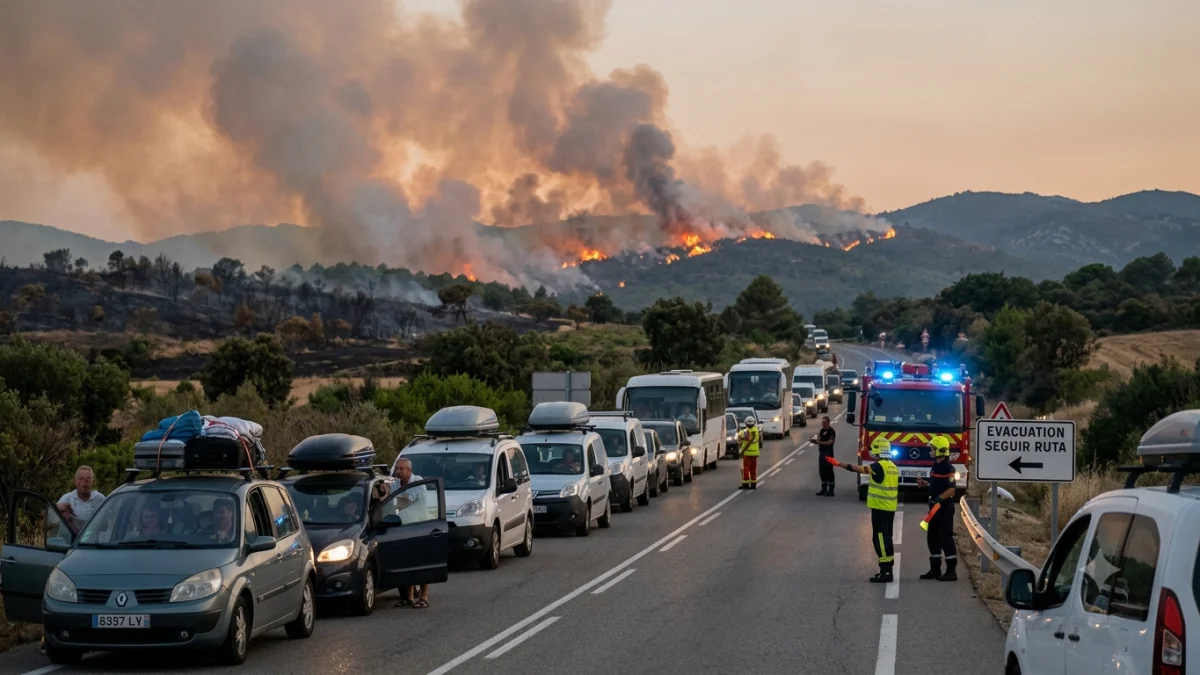
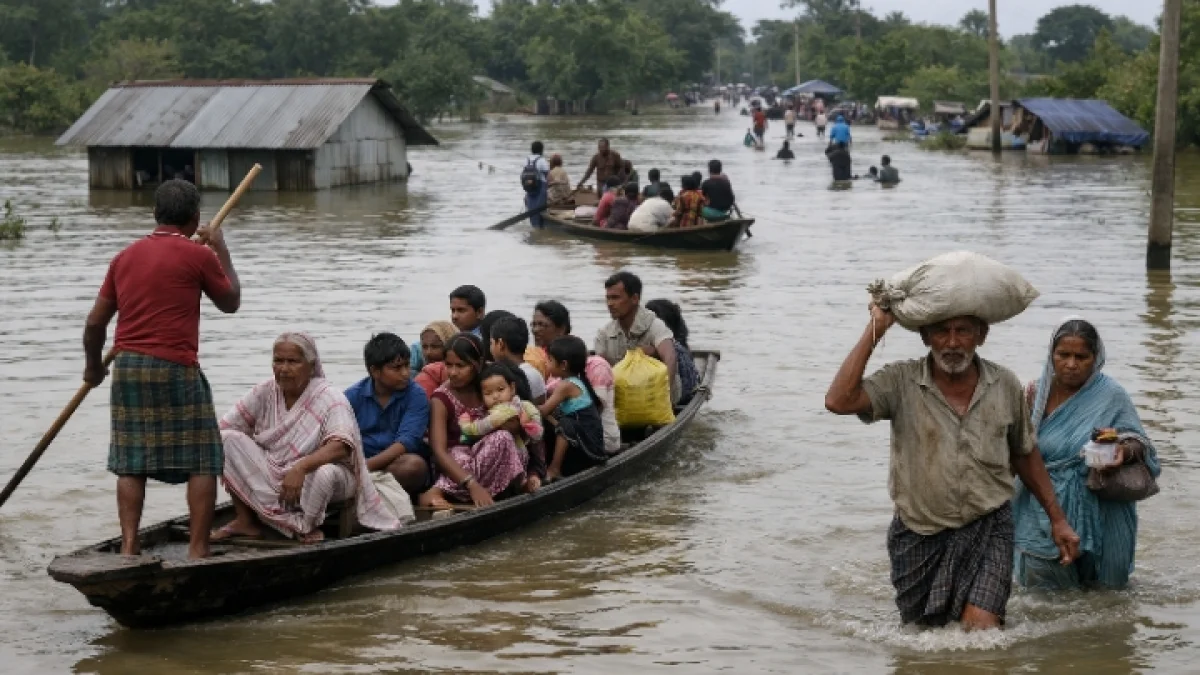
Similar dynamics play out on land. Flooding and heavy rainfall can unearth buried landmines and unexploded ordnance, displacing them into previously cleared or populated areas, while erosion and landslides alter contamination patterns. High temperatures can destabilize munitions, raising the risk of unplanned detonations.
The GICHD, a Geneva-based international centre focused on explosive ordnance risks, has documented how climate factors influence the dissolution and spread of contaminants such as TNT and RDX. Contaminants dissolve more rapidly in warmer, wetter conditions, affecting soil and water quality over wider areas.
UNDP warned in April 2026 that explosive ordnance is contaminating soil and water, damaging ecosystems and threatening food sources in affected regions. Climate change compounds these effects by intensifying hazards such as droughts, floods and wildfires.
In post-conflict countries including Ukraine, Vietnam and parts of the Middle East, flooding has already shifted ordnance, complicating clearance efforts and increasing risks to civilians and agriculture. Heatwaves have been linked to explosions at munitions sites, including incidents in Iraq in 2018-2019.
The environmental toll extends beyond immediate safety threats. Leaking explosives introduce heavy metals and toxic chemicals that degrade soil fertility, harm biodiversity and enter food chains. In marine environments, dumped munitions from World Wars I and II continue to leach pollutants as ocean warming and acidification speed corrosion.
Mine action organisations are adapting operations to account for climate impacts, including revised prioritisation of contaminated areas and adjustments to clearance methods. However, experts note that resources remain stretched amid growing demands.
The GICHD and partners have called for greater integration of environmental considerations into mine action strategies, including assessments of how climate-driven events could re-contaminate cleared land or hinder access.
As of mid-2026, no comprehensive global estimate exists for the scale of climate-amplified UXO pollution, but researchers emphasise the issue affects dozens of countries with legacy contamination from conflicts spanning more than a century. Pilot clearance operations, such as those underway in the Baltic Sea, aim to test new technologies for safer removal.
Officials stress that addressing the dual challenge of explosive remnants and climate change requires sustained international cooperation and investment in both clearance and resilience measures.