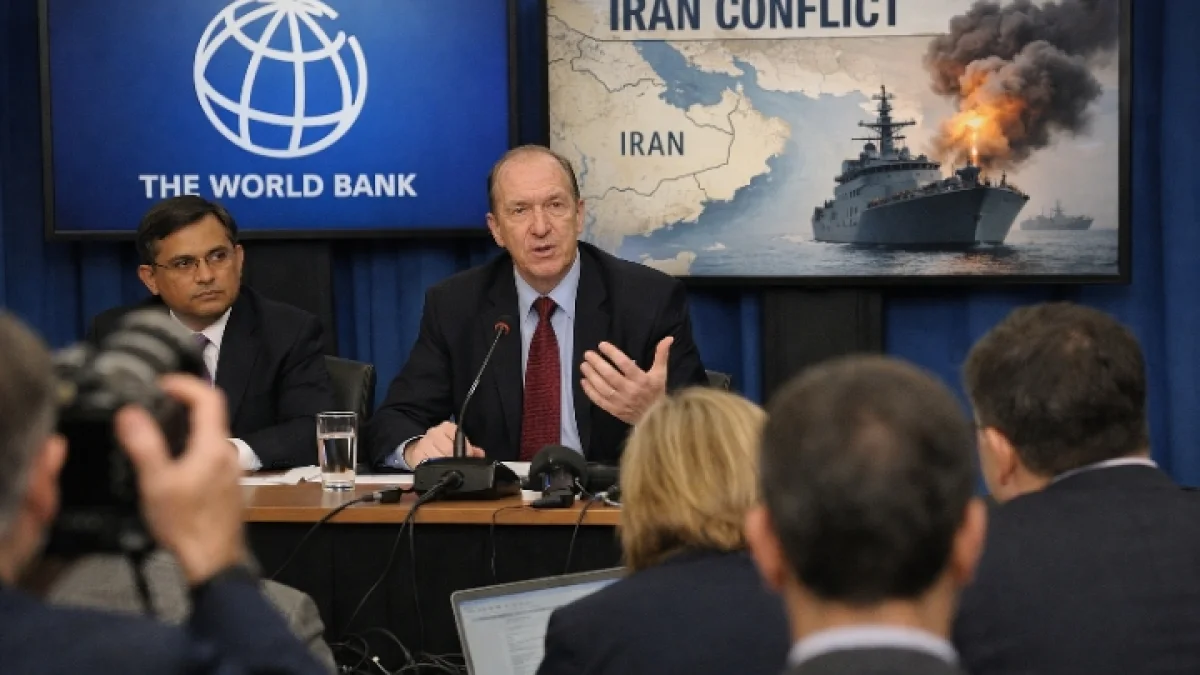
Rising tensions around the Strait of Hormuz have rapidly reshaped expectations for global energy markets, reversing what had briefly appeared to be a period of easing oil prices and improving inflation prospects. Renewed disruptions to one of the world's most important maritime energy corridors have lifted crude prices, pushed fuel costs higher across major consuming economies and complicated the outlook for central banks that had recently seen encouraging signs of moderating inflation.
The renewed increase in oil prices matters well beyond energy markets because it affects transportation costs, industrial production, consumer prices and inflation expectations simultaneously. While oil represents a smaller share of advanced economies than in previous decades, fuel remains a significant input across global supply chains. A sustained increase in crude prices therefore risks slowing the recent disinflation trend without necessarily strengthening economic growth, presenting policymakers with another period of difficult trade-offs.
The latest market reaction reflects the strategic importance of the Strait of Hormuz, through which roughly one-fifth of globally traded oil normally passes. Even when physical disruptions remain limited, uncertainty surrounding shipping security, insurance costs and tanker availability can raise prices as traders build a geopolitical risk premium into futures markets. Analysts note that the recent escalation has again reduced tanker traffic through the corridor after a temporary recovery that followed earlier diplomatic efforts.
The shift represents a sharp reversal from expectations published only days earlier. The U.S. Energy Information Administration had raised its forecasts for global oil production after shipping through Hormuz resumed following a June agreement between the United States and Iran. The agency projected increasing production, rebuilding inventories and lower gasoline prices during the second half of 2026 as trade flows normalized. Renewed hostilities have instead introduced fresh uncertainty into those assumptions, illustrating how quickly geopolitical developments can alter energy market fundamentals.
Financial markets have responded by reassessing inflation risks. Energy prices feed directly into headline inflation while also increasing operating costs for freight companies, airlines, manufacturers and agricultural producers. Economists generally view sustained increases in oil prices as capable of delaying progress toward central bank inflation targets even if underlying demand remains moderate.
The timing is particularly significant because recent U.S. inflation data had indicated cooling price pressures. Producer and consumer price measures eased more than expected, reducing expectations of immediate monetary tightening. However, economists cautioned that a renewed energy shock could quickly reverse those gains if higher crude prices persist and feed through to retail fuel costs.
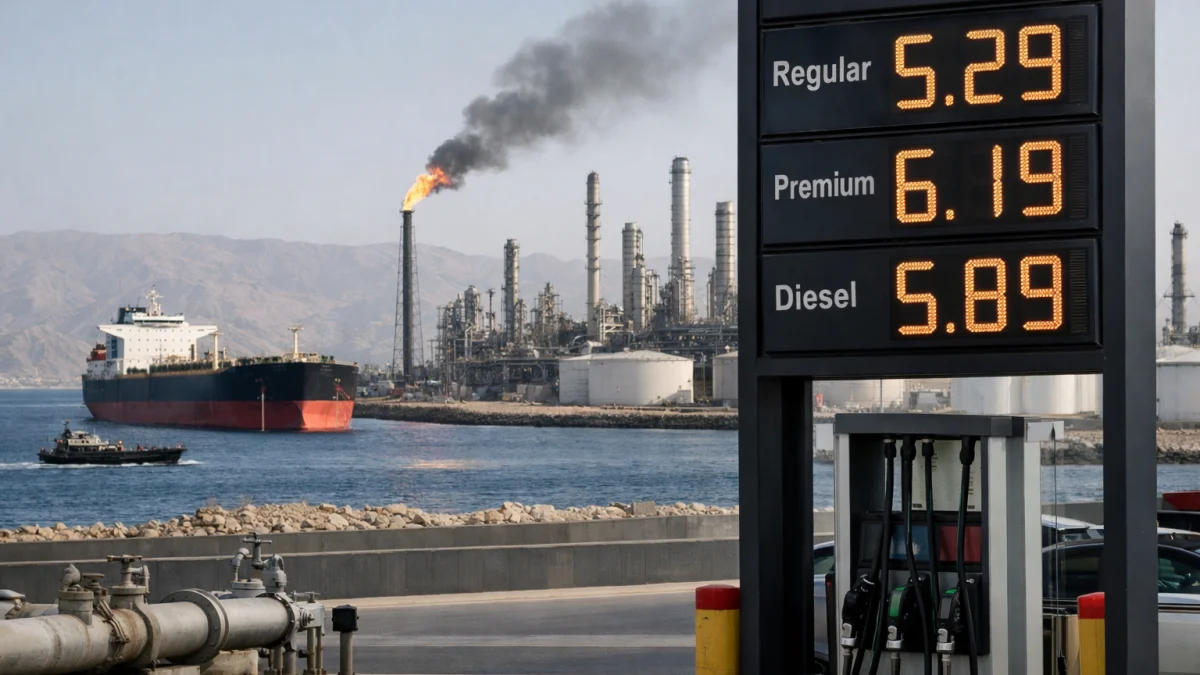
Market analysts have already warned that U.S. gasoline prices could approach or exceed four dollars per gallon if disruptions continue. Diesel prices, which influence freight and logistics costs more directly than gasoline, could also rise sharply. Such increases would affect household purchasing power while increasing business operating expenses across multiple sectors.
Outside the United States, the consequences may be even more pronounced for large energy-importing economies. Countries across Europe and Asia remain exposed to imported fuel costs despite efforts to diversify energy supplies since earlier geopolitical crises. Higher crude prices can weaken trade balances, increase subsidy burdens where governments regulate fuel prices, and place downward pressure on currencies that depend heavily on imported energy.
The International Monetary Fund has similarly identified renewed Middle East tensions as one of the principal near-term risks to the global economy. In its July 2026 World Economic Outlook update, the IMF said a renewed escalation could increase commodity prices, create supply shortages and prolong inflation, while a smoother reopening of Hormuz would support lower inflation and stronger growth. The assessment highlights how developments in a single strategic maritime corridor continue to influence broader macroeconomic conditions.
Energy market specialists nevertheless caution against assuming that every geopolitical disruption will produce prolonged shortages. The International Energy Agency notes that emergency stock releases, increased production outside the Gulf and alternative export routes have improved the resilience of global oil markets compared with previous decades. Nevertheless, the agency also warned that renewed hostilities could undermine expectations of improving supply balances and delay a return to market surplus conditions.
Historical experience suggests that the duration of supply disruptions often matters more than the initial market reaction. Temporary interruptions typically generate short-lived price spikes, while prolonged restrictions can reshape investment decisions, inflation expectations and monetary policy over a much longer period. Policymakers therefore continue to distinguish between immediate market volatility and evidence of lasting supply constraints.
For now, confirmed developments indicate that renewed tensions around the Strait of Hormuz have interrupted the improving outlook that emerged only weeks earlier. Oil prices have risen, fuel market volatility has increased and investors have begun reassessing inflation risks alongside geopolitical uncertainty. Governments, central banks, shipping authorities and energy agencies are closely monitoring crude exports, tanker movements, commercial inventories and diplomatic developments to determine whether the latest disruption proves temporary or evolves into a more sustained challenge for global energy markets and the broader economy.