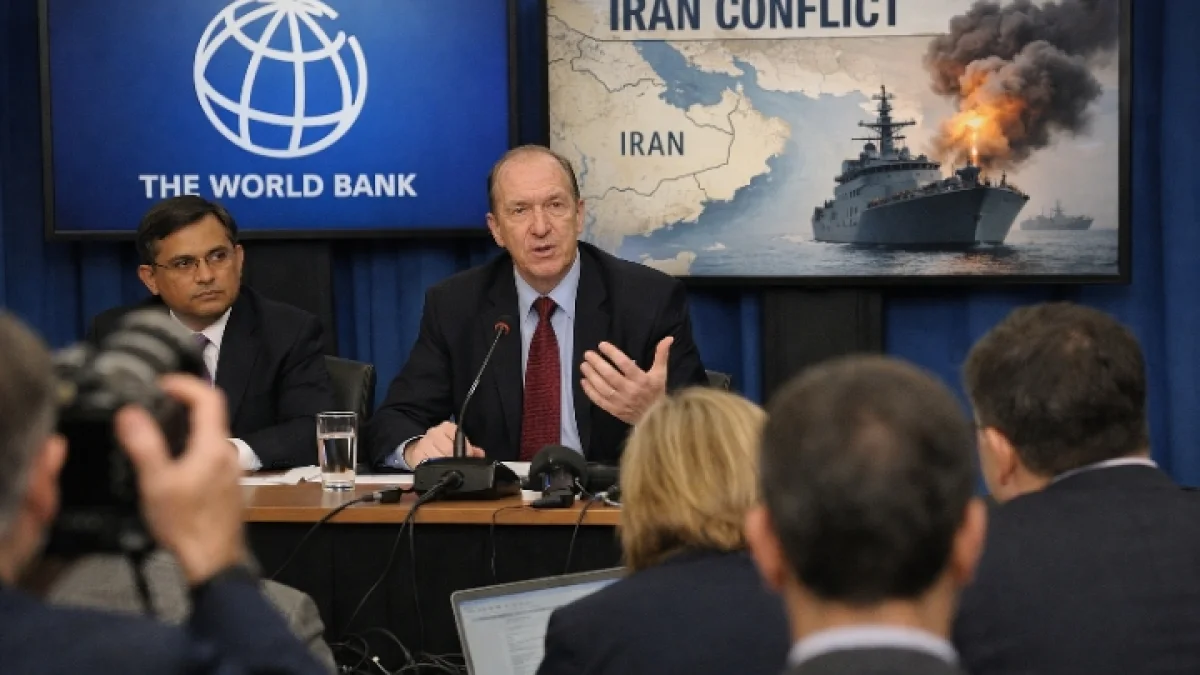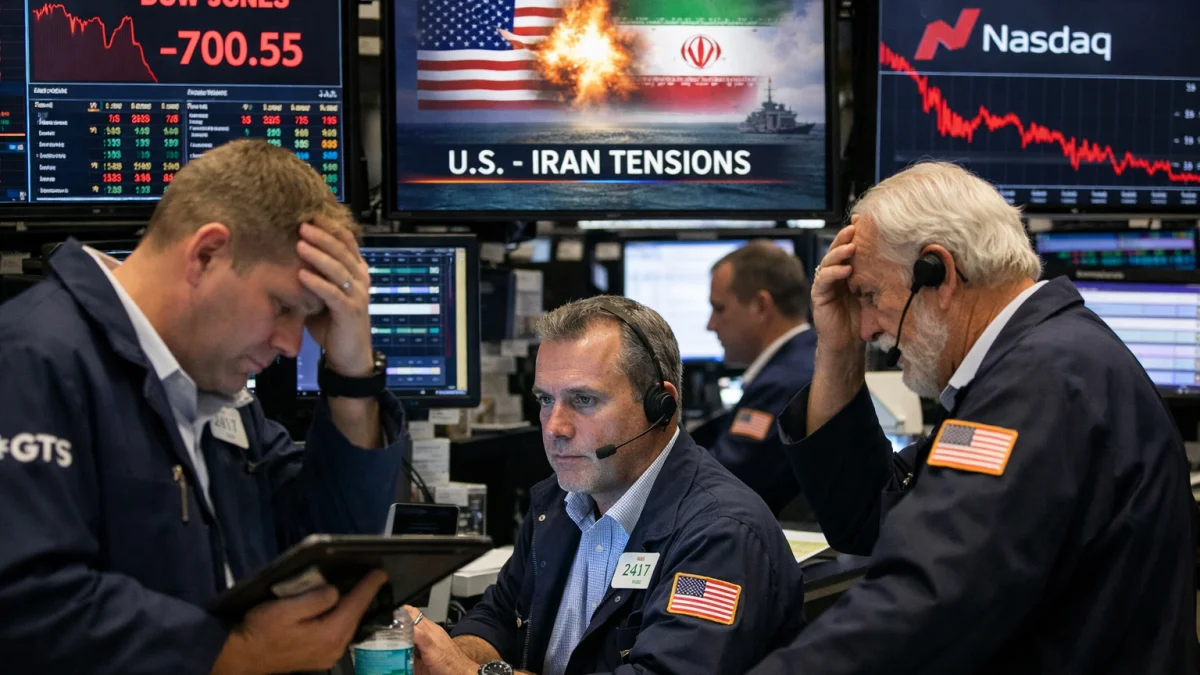
LONDON — Global financial markets traded cautiously on July 16 as investors assessed the latest escalation in the conflict between the United States and Iran, with oil prices holding near one-month highs while equities and government bonds came under pressure amid concerns over potential disruptions to energy supplies.
Brent crude briefly climbed above $85 a barrel before easing later in the session, while U.S. West Texas Intermediate also pared earlier gains after traders weighed the likelihood of sustained interruptions to oil exports through the Strait of Hormuz, a critical shipping route for global crude and liquefied natural gas. Market participants said prices remained supported by uncertainty over the conflict despite relatively orderly trading conditions.
European shares declined and U.S. stock futures pointed lower, extending a cautious tone across global markets. Technology stocks remained under pressure, while energy companies outperformed as higher crude prices boosted the sector's outlook. Analysts said investors were balancing geopolitical risks against recent economic data that suggested inflationary pressures in the United States had moderated.
The dollar traded broadly steady, while U.S. Treasury yields edged higher after recovering from earlier declines. Bond investors continued to evaluate whether higher energy prices could complicate the Federal Reserve's inflation outlook despite softer recent consumer and producer price data.
The latest market moves followed renewed U.S. military action targeting Iranian military infrastructure after Washington intensified pressure on Tehran. Iranian officials responded by warning of further measures affecting regional energy exports, though no independent confirmation of additional supply disruptions beyond previously reported shipping risks was immediately available.
"The market is still reacting with a surprising degree of calmness," Ole Hvalbye, an analyst at SEB Research, said, adding that continued disruptions in the Strait of Hormuz could push oil prices higher if tensions persist.
Economists said the trajectory of energy prices will remain central to market expectations for inflation and monetary policy in the coming months. Although Brent crude has risen sharply over the past week, analysts noted prices remain below levels that many central banks had previously identified as posing a more significant inflation risk.
Investors are expected to continue monitoring developments in the U.S.-Iran conflict alongside economic data and official statements for signs of whether geopolitical tensions will translate into sustained disruptions to global energy markets or broader financial conditions.