WELLINGTON — New Zealand’s annual inflation rate accelerated to 4.1% in the second quarter of 2026, driven largely by sharp increases in fuel prices, according to data released by Statistics New Zealand on Tuesday. The rise marked the highest annual inflation rate in more than two years and exceeded the Reserve Bank of New Zealand’s forecast.
The Consumer Price Index (CPI) increased 1.5% in the three months to June, while annual inflation climbed from 3.1% in the first quarter. Statistics New Zealand data showed petrol prices rose 27.5% and diesel prices increased about 71% over the year, making fuel costs the largest contributor to the inflation increase.
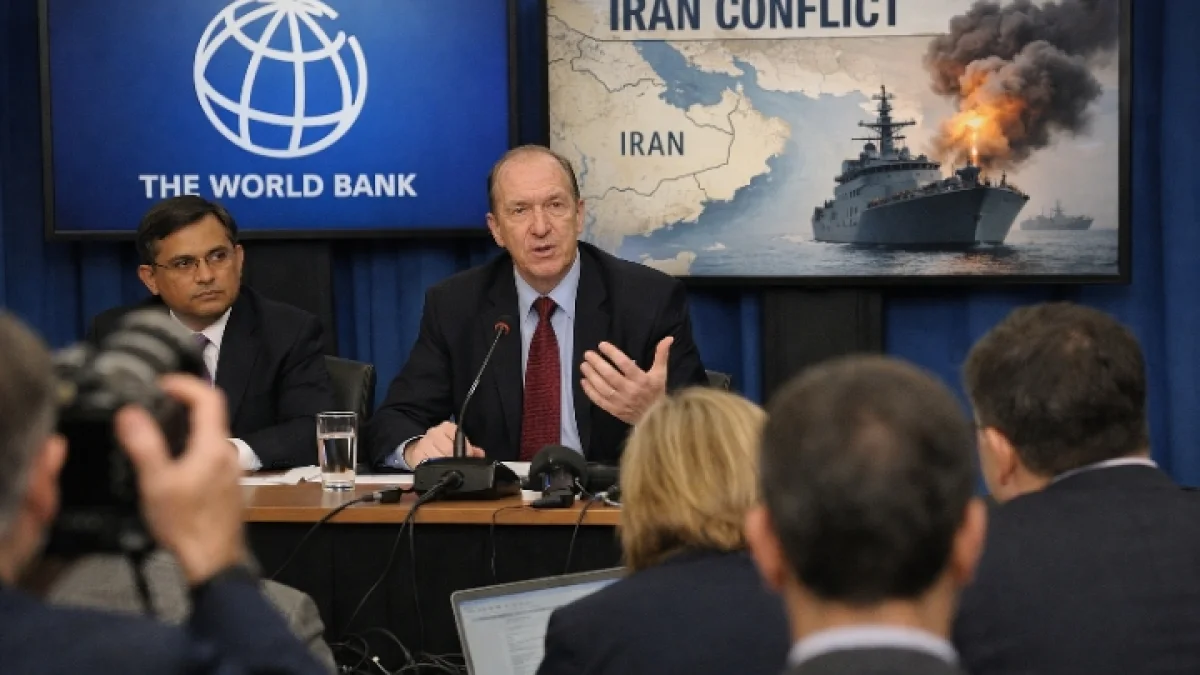
The government said the fuel-driven increase reflected global energy market pressures linked to heightened geopolitical tensions. Finance Minister Nicola Willis said the figures showed the impact of a global oil price shock, adding that higher petrol and diesel prices accounted for much of the quarterly increase rather than a broad-based acceleration in prices across the economy.
Statistics New Zealand said inflation would have been 2.9% over the year if petrol and diesel price changes were excluded, suggesting much of the recent increase was concentrated in energy costs rather than widespread price growth.
Other categories also contributed to the rise, including higher electricity costs, local authority rates and payments, and residential construction costs. At the same time, annual food price inflation eased, with government figures showing food inflation slowing from 4% to 2.8%.
The Reserve Bank of New Zealand has been monitoring whether temporary cost pressures could feed into broader inflation expectations and domestic prices. The central bank recently raised its official cash rate to 2.50%, saying future decisions would depend on incoming inflation data, price-setting behaviour and economic conditions.
Economists said the latest figures increased pressure on policymakers to keep inflation under control, although underlying domestic inflation measures remained more contained. The Reserve Bank has said it expects inflation to return toward its 2% midpoint target over time as external price pressures ease.
The next official steps will depend on the Reserve Bank’s assessment of inflation trends and economic activity in upcoming monetary policy decisions.