WASHINGTON — U.S. wholesale prices fell in June, driven by a sharp decline in gasoline costs, offering another sign that inflationary pressures eased before renewed geopolitical tensions pushed energy prices higher later in the month.
The Labor Department's Bureau of Labor Statistics said the Producer Price Index (PPI) for final demand declined 0.3% in June on a seasonally adjusted basis after rising 0.6% in May and 1.1% in April. On an annual basis, producer prices increased 5.5% in the 12 months through June, slowing from 6.0% in May.
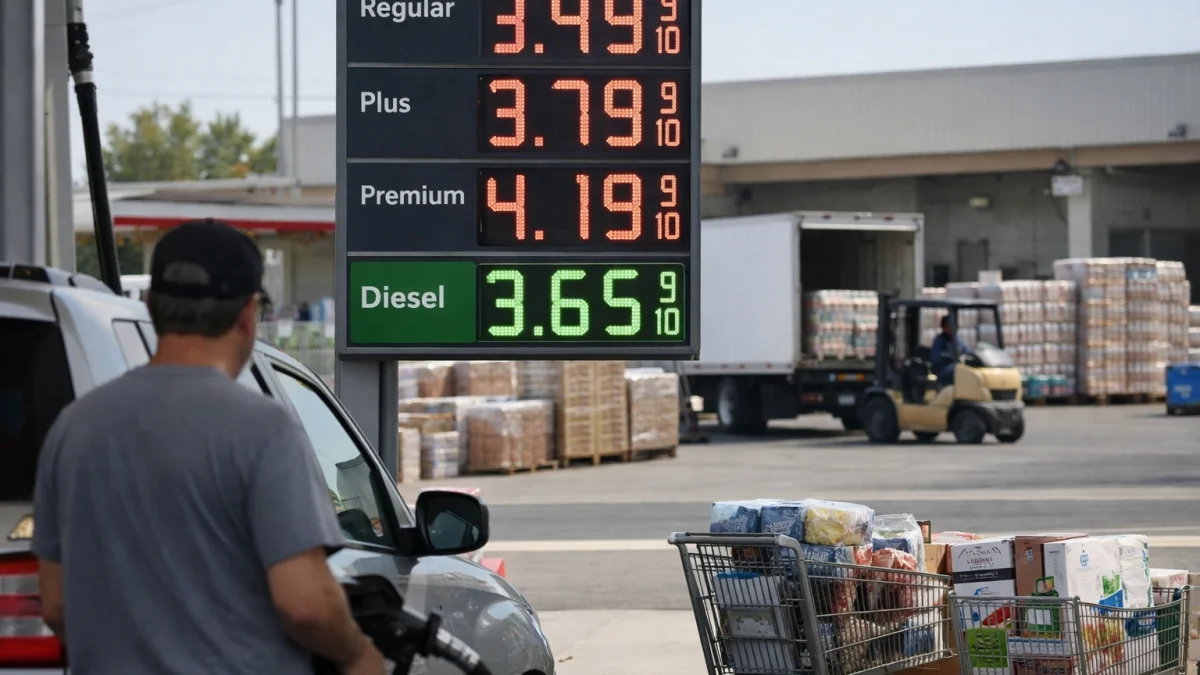
The monthly decline was led by a 1.4% drop in prices for final demand goods, the steepest decrease since July 2022. Energy prices fell 6.4%, with gasoline prices tumbling 12%, accounting for nearly two-thirds of the overall decline in goods prices, according to the Bureau of Labor Statistics. Food prices also edged down 0.6%.
Services prices, however, rose 0.2% in June, partially offsetting the decline in goods prices. The increase was led by higher trade services margins, including fuels and lubricants retailing, the agency said.
Underlying inflation remained firmer than the headline reading suggested. The index excluding food, energy and trade services increased 0.1% during the month and was up 5.1% from a year earlier. A separate core measure excluding food and energy rose 0.2% in June, indicating that some underlying price pressures persisted despite lower energy costs.
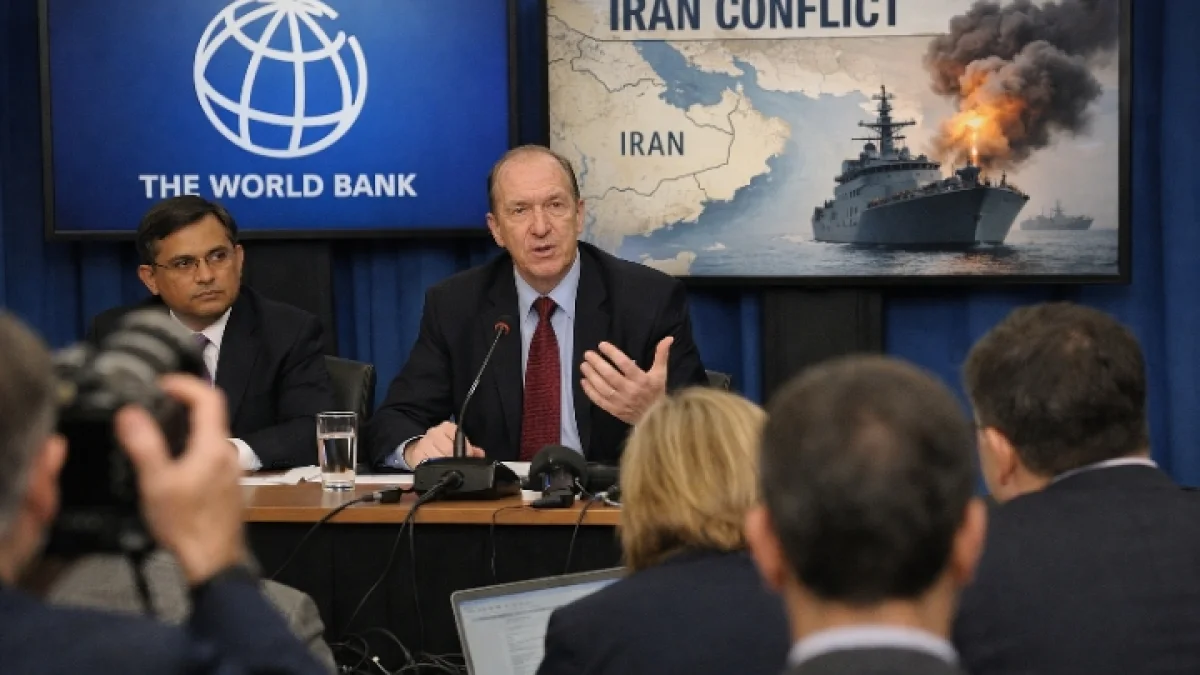
The producer inflation report followed data earlier in the week showing U.S. consumer prices also eased in June, reinforcing evidence that inflation moderated before a renewed escalation of conflict in the Middle East. Economists have cautioned that the decline in wholesale prices largely reflected temporary relief from lower fuel costs and may not persist if higher oil prices feed through supply chains in coming months.
The producer price data are closely watched because they can provide an early indication of inflation pressures that may eventually reach consumers and influence the Federal Reserve's preferred inflation measures.
Financial markets and policymakers continue to monitor incoming inflation data as the Federal Reserve assesses the outlook for prices and economic growth. The next Producer Price Index report, covering July, is scheduled for release in August, according to the Bureau of Labor Statistics.