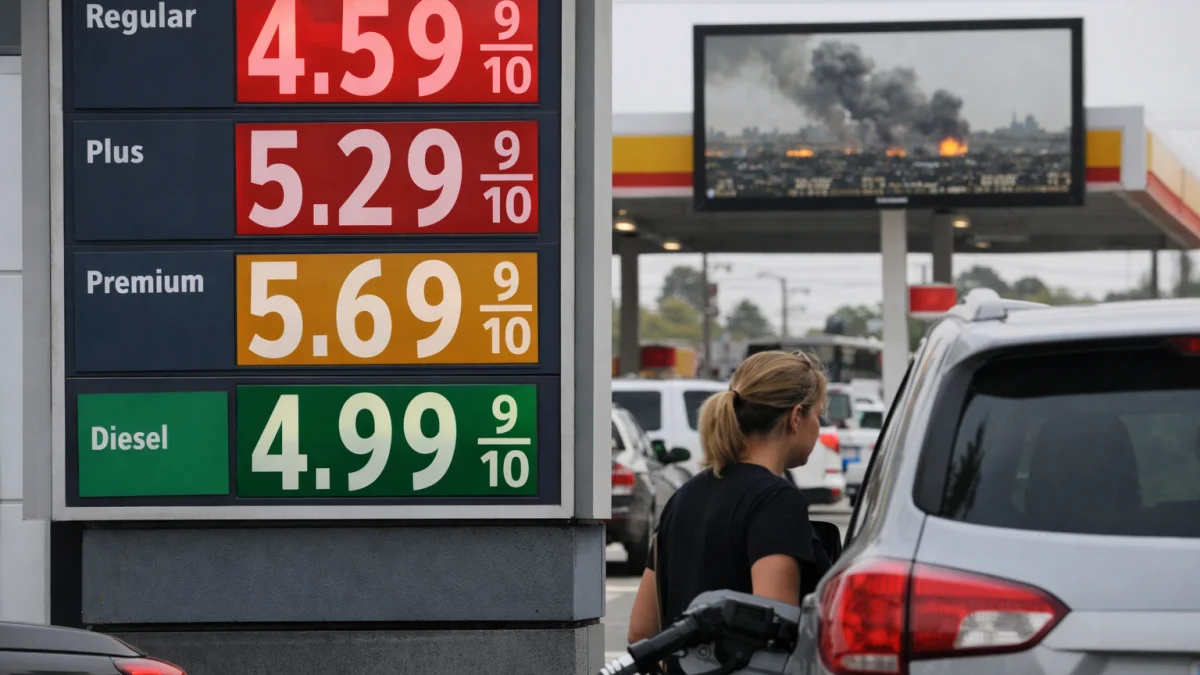
WASHINGTON — U.S. gasoline prices moved higher on Monday as renewed military tensions in the Middle East pushed crude oil markets upward and raised concerns about potential disruptions to global energy supplies. The national average for regular gasoline reached about $3.87 per gallon on July 13, according to the American Automobile Association (AAA), after prices had recently declined as markets reacted to earlier signs of easing tensions.
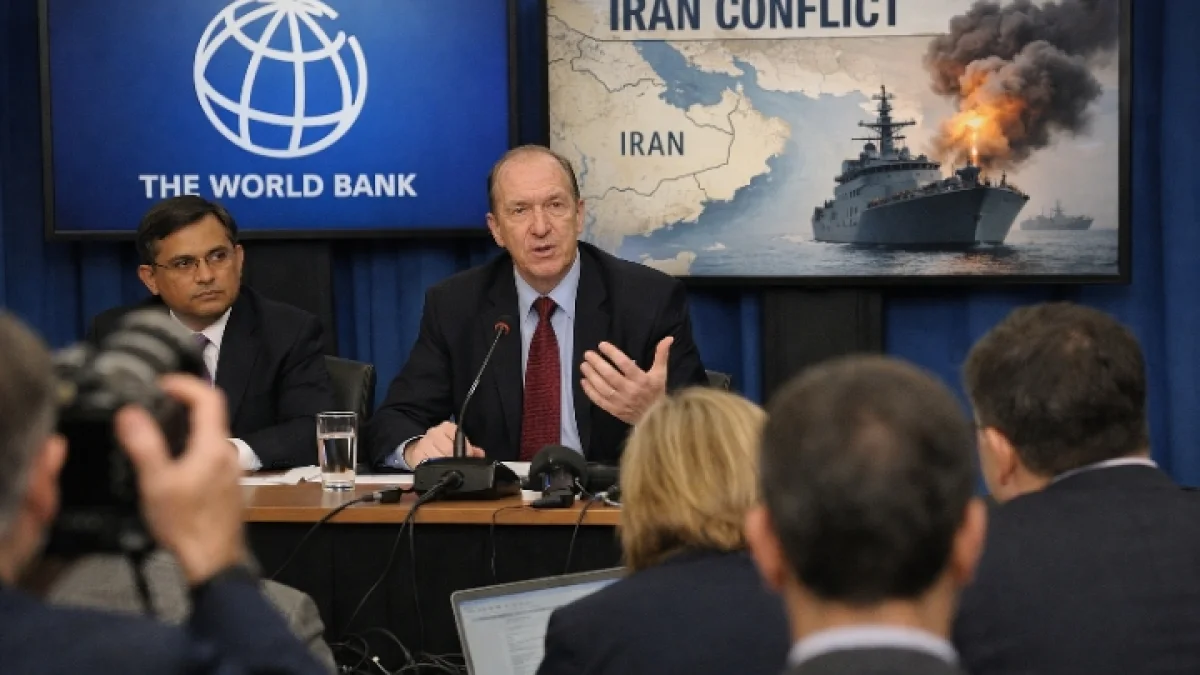
The increase followed a sharp rise in oil prices after renewed clashes involving the United States and Iran intensified concerns over the security of the Strait of Hormuz, a major transit route for global oil shipments. Brent crude futures rose more than 4% on Monday, with market participants citing uncertainty over possible impacts on supply flows from the region.
AAA said gasoline prices had already begun reversing course before the latest escalation, as uncertainty surrounding the U.S.-Iran ceasefire increased. The organization reported that the national average rose from recent lows, with crude oil prices trading in the $70-per-barrel range and vulnerable to further gains if volatility persisted around the Strait of Hormuz.
Energy markets are closely monitoring developments in the region because disruptions to shipping through the Strait of Hormuz could affect crude supplies and transportation costs worldwide. Iran has said it has authority over access to the waterway, while the United States has said it is taking steps to keep the route open. The competing claims have contributed to uncertainty among oil traders.
The latest rise in fuel costs comes after U.S. drivers had received some relief earlier in the summer. AAA said the national average had fallen below $4 per gallon in June as crude prices declined following a temporary agreement aimed at reducing tensions and reopening energy routes.
Higher gasoline prices could add pressure to household budgets and complicate efforts to contain inflation if elevated energy costs persist. Economists typically watch fuel prices closely because changes in transportation costs can influence prices for goods and services across the broader economy.
Oil markets remain focused on whether diplomatic efforts can stabilize the situation and whether shipping activity through key regional waterways will continue without major interruptions. The latest confirmed data showed U.S. gasoline prices continuing to rise as markets assessed the renewed Middle East conflict and its potential impact on energy supplies.