GENEVA — More than 1,000 civilians were killed in drone strikes across Sudan during the first five months of 2026, the United Nations human rights chief said, warning that the rapid expansion of drone warfare is intensifying the conflict and placing civilians and health services at growing risk.
U.N. High Commissioner for Human Rights Volker Türk said the mounting toll reflected a sharp escalation in the use of armed drones by parties to Sudan's civil war, which began in April 2023 between the Sudanese Armed Forces (SAF) and the paramilitary Rapid Support Forces (RSF). According to the U.N., drone attacks have become the leading cause of documented civilian deaths linked to the conflict this year.
Türk said his office had documented more than 1,000 civilian deaths from drone strikes between January and May, following an earlier warning in May that at least 880 civilians had already been killed in drone attacks during the first four months of the year. He said the increasing availability and use of armed drones had expanded hostilities into new areas and heightened risks to civilians.
The U.N. human rights office said drone strikes had hit markets, residential neighborhoods, fuel facilities and other civilian locations, while humanitarian agencies warned that damage to critical infrastructure was worsening Sudan's humanitarian crisis.
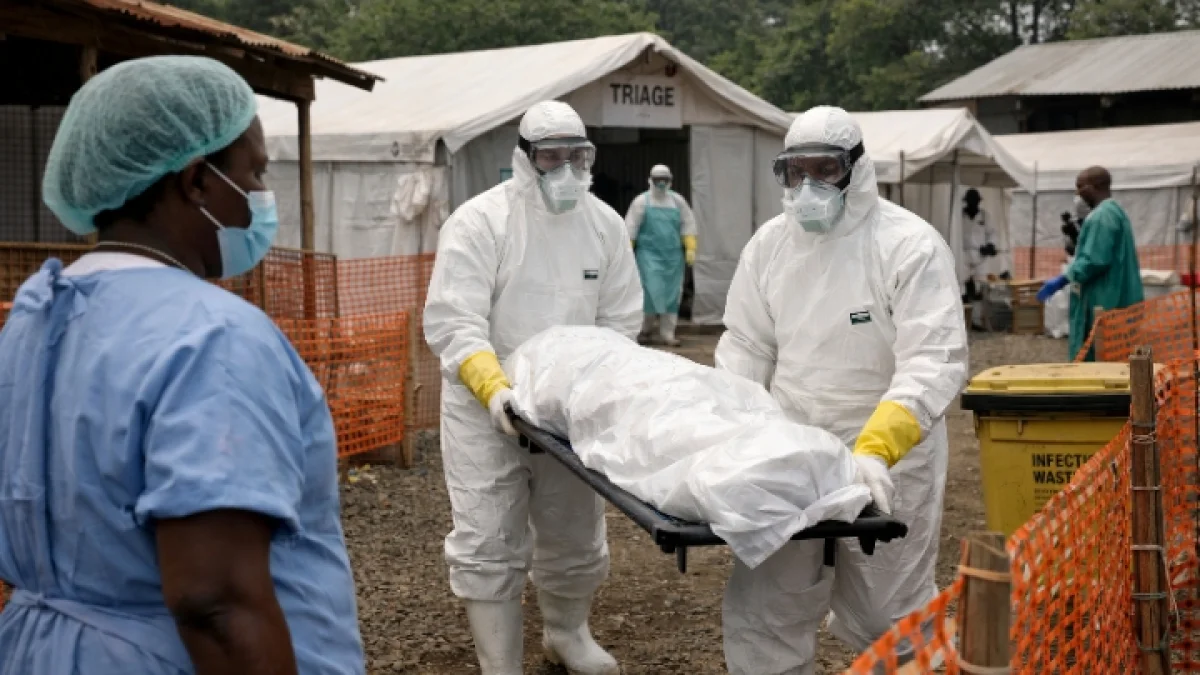
The conflict has also severely affected the country's health system. In March, a drone strike on Al Deain Teaching Hospital in East Darfur killed at least 70 people, including children and health workers, according to the World Health Organization. The attack forced the closure of the region's main referral hospital, leaving millions of people with reduced access to emergency and specialized medical care. The U.N. Secretary-General condemned the strike and called on all parties to respect international humanitarian law protecting civilians and medical facilities.
The United Nations has repeatedly urged all parties to the conflict to halt attacks on civilians and civilian infrastructure, warning that continued violence is driving displacement, disrupting humanitarian aid and increasing the risk of famine and disease outbreaks.
The SAF and RSF have exchanged accusations over attacks during the conflict, and responsibility for individual drone strikes has often been disputed or could not be independently verified.
Sudan's civil war has created one of the world's largest humanitarian crises, with millions displaced and widespread shortages of food, healthcare and essential services. U.N. officials continue to call for an immediate cessation of hostilities, improved humanitarian access and renewed efforts toward a negotiated political settlement.