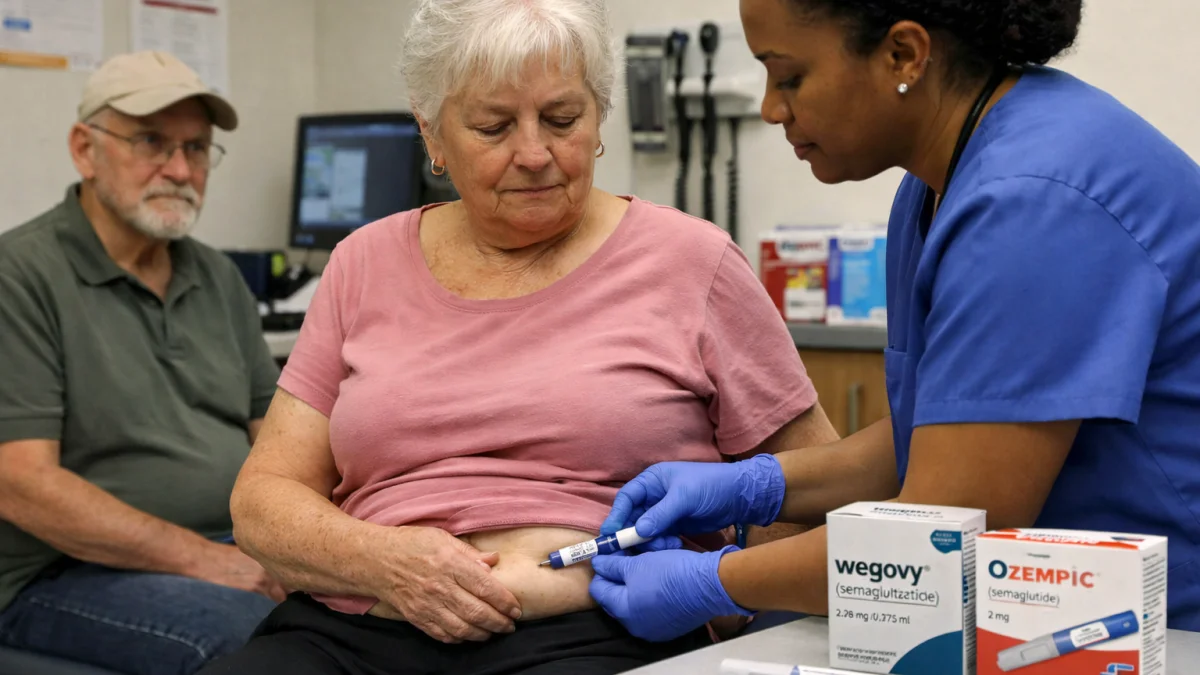
On July 1, 2026, in clinics across the United States, Medicare beneficiaries with obesity began consulting their doctors about a new option: access to certain GLP-1 medications at a fixed $50 monthly copayment through the Medicare GLP-1 Bridge program.
For decades, Medicare Part D prescription drug plans have not covered medications prescribed solely for weight loss, a statutory exclusion dating to the program's creation in 2003. Patients who wanted drugs like Wegovy or Zepbound often faced list prices exceeding $1,000 per month, forcing many to pay out of pocket, seek compounded versions, or forgo treatment.
The Centers for Medicare & Medicaid Services (CMS) launched the temporary Medicare GLP-1 Bridge demonstration on this date to provide eligible Part D beneficiaries with access to specific GLP-1 drugs—Wegovy (semaglutide, injection or tablet), Zepbound (tirzepatide KwikPen only), and Foundayo (tablet)—for weight management. The program runs through December 31, 2027, and operates separately from standard Part D coverage, with manufacturers supplying the drugs at a negotiated net price that results in the $50 copay for patients. It does not count toward Part D deductibles or out-of-pocket maximums.
This change arrives as obesity affects a substantial portion of the Medicare population. More than two-thirds of beneficiaries are overweight (about 35%) or have obesity (about 34%), according to analyses cited in policy discussions. Many also manage related conditions such as type 2 diabetes, hypertension, heart disease, or sleep apnea.
Eligibility requires a prescription for reducing excess body weight and maintaining weight reduction, along with specific clinical criteria involving body mass index (BMI) and comorbidities. Providers must submit prior authorization attesting to these details. The program targets those for whom the drugs are used for obesity management, distinct from existing Part D coverage for indications like diabetes or cardiovascular risk reduction.
For many older Americans, the high cost had previously placed these treatments out of reach. Reports from patients and clinicians described cases where individuals self-paid or used alternatives until supplies or finances ran short, sometimes leading to weight regain or interrupted care. Pharmacists noted repeated interactions with disappointed Medicare patients facing $500 or more monthly without coverage.
The Bridge program represents a short-term demonstration as CMS gathers data ahead of potential longer-term approaches, such as the delayed BALANCE Model. It reflects evolving evidence on GLP-1 drugs, which were originally developed for diabetes but have shown effectiveness in weight reduction and, in some cases, improvements in related health outcomes.
Experts and advocates have highlighted both opportunities and limitations. The fixed $50 copay lowers a significant barrier, but the program is time-limited, requires prior authorization, and applies only to specific formulations. Not all beneficiaries with obesity will qualify, and side effects such as gastrointestinal issues remain a consideration, particularly for older adults. Some patients already covered for other indications continue under standard Part D rules.
Physicians emphasize discussing eligibility with patients. "Talk with your doctor to determine whether a GLP-1 medication is right for you," CMS guidance states. Beneficiaries must have Part D coverage, and enrollment in the demonstration occurs through the prescribing process.
The program's launch comes amid broader national conversations about obesity as a chronic condition with significant health and economic impacts. Projections from earlier analyses suggested that expanded access could affect millions, though uptake in the Bridge program will depend on awareness, clinical assessments, and individual responses to treatment. Surveys indicated that many older Americans were unaware of the new initiative as it began.
As clinics process initial requests on this first day of coverage, the Bridge program offers a defined pathway for some beneficiaries who previously navigated high costs or limited options. Its outcomes—adherence rates, health effects, and utilization—will inform future policy decisions on obesity care within Medicare.
For those who qualify, the $50 monthly cost marks a tangible shift from full out-of-pocket responsibility. Whether it leads to sustained weight management and improved mobility or quality of life for participants will unfold over the program's 18-month duration and beyond.