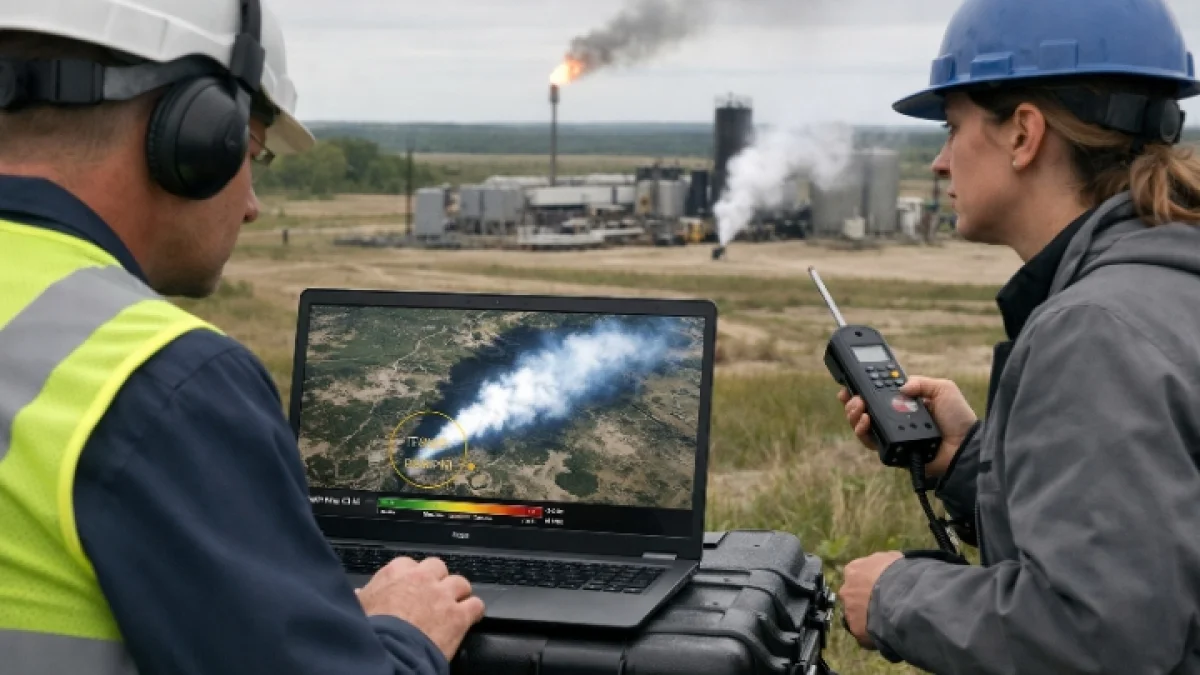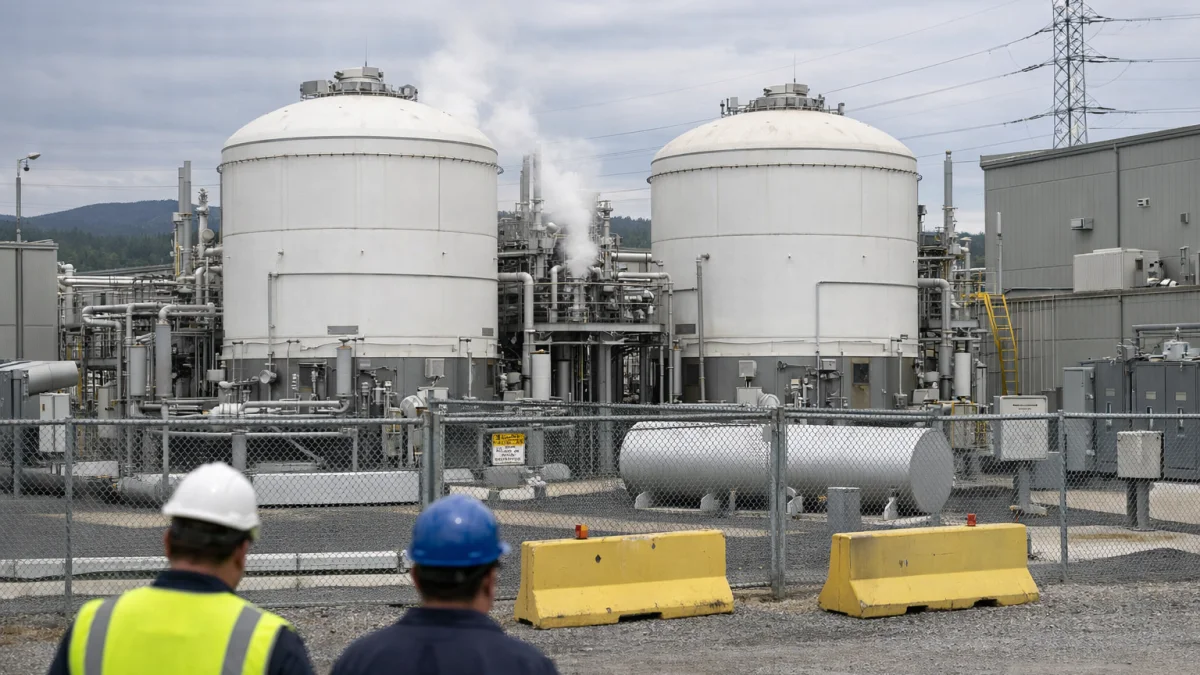
WASHINGTON — The first advanced small nuclear reactor under a Trump administration pilot program reached a key operational milestone this month, as the U.S. government accelerates deployment of small modular and microreactors to meet surging energy demand.
Antares Nuclear Inc.'s Mark-0 microreactor achieved criticality on June 4 at Idaho National Laboratory, marking the first time in more than four decades that a privately developed advanced non-light-water reactor in the United States sustained a self-sustaining nuclear chain reaction, the Department of Energy announced.
The milestone advances President Donald Trump's Reactor Pilot Program, launched following a May 2025 executive order directing the Energy Department to approve at least three test reactors with a goal of achieving criticality by July 4, 2026. Antares was among companies selected for the initiative, which uses Department of Energy authorization processes outside traditional Nuclear Regulatory Commission licensing for initial testing.
Energy Secretary Chris Wright described the event as a historic step in the U.S. nuclear renaissance. “We said criticality in 2026, electricity production in 2027, and power to the warfighter in 2028,” an Antares official stated in connection with the demonstration.
The program forms part of broader administration efforts to expand nuclear capacity, including partnerships with the Tennessee Valley Authority and Holtec for light-water small modular reactors, and international deals such as a U.S.-Japan agreement for GE Hitachi BWRX-300 units. NuScale Power also secured NRC approval for an uprated SMR design earlier in 2026.
Proponents argue small reactors offer factory-built modularity, enhanced safety features through passive systems, and reliable carbon-free power for data centers, manufacturing, and military applications amid growing electricity needs.
Critics, however, have raised safety concerns over the accelerated timeline. Some experts and advocacy groups worry that bypassing standard NRC processes for certain test reactors and compressing development schedules could compromise rigorous review, particularly for novel designs with limited operating data.
“Even a 'small' release of radioactive material could cause damage,” one report on the program noted, citing potential risks from untested technologies.
The Nuclear Regulatory Commission continues separate reviews for commercial SMR projects, such as TVA's application for a GE Hitachi BWRX-300 at Clinch River in Oak Ridge, Tennessee. No full commercial SMR fleet operates in the U.S. yet, though several designs target deployment in the early 2030s.
The Antares demonstration remains in a zero-power testing phase at the national laboratory. Additional reactors under the pilot program are expected to pursue similar milestones before the July 4 target.
The Energy Department said it will continue supporting safe development while private firms seek pathways to commercial operation.