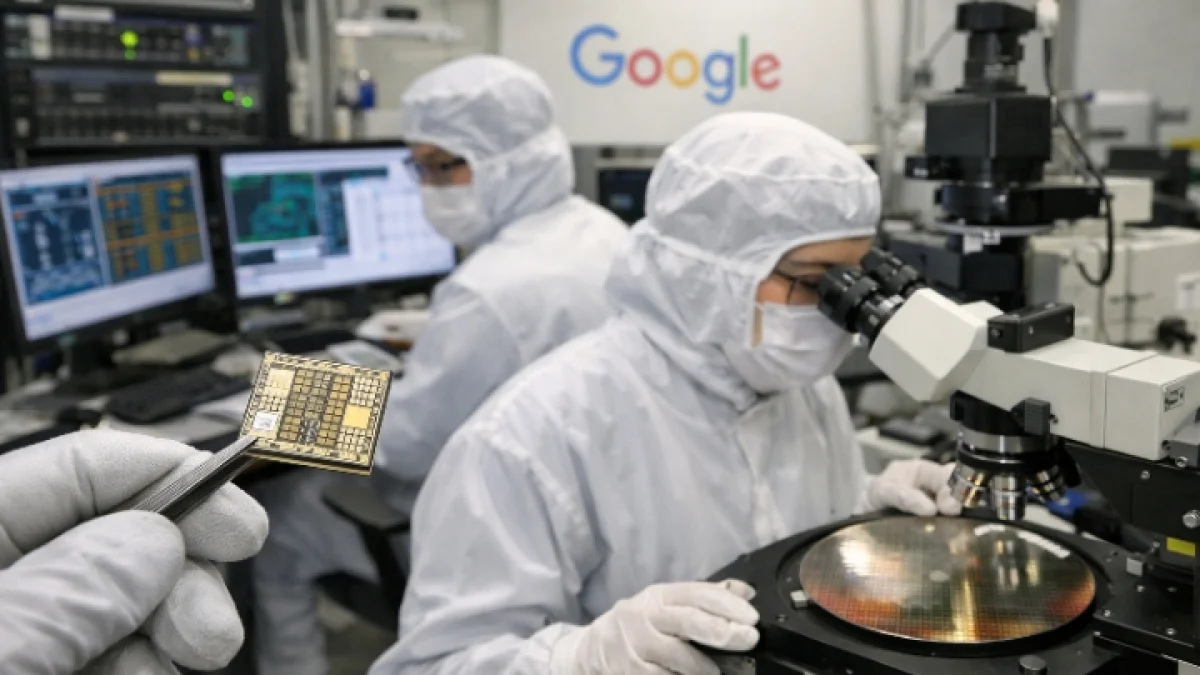
MOUNTAIN VIEW, Calif. — Google is developing a new artificial intelligence chip designed to improve the efficiency of running its Gemini AI models, according to a report that cited people familiar with the company’s plans, as technology companies continue expanding investment in specialized chips amid a rebound in the semiconductor market.
The chip, internally referred to as “Frozen v2,” is being developed as part of Google’s broader effort to increase computing capacity and optimize hardware for AI workloads, The Information reported. The company has not publicly confirmed details of the reported chip, including its development timeline or commercial availability.
Google has invested for years in custom artificial intelligence processors known as Tensor Processing Units (TPUs), which are designed to handle machine-learning tasks in its data centers and cloud services. The company announced its eighth-generation TPU systems in 2026, including chips aimed at AI training and inference workloads, as demand for generative AI computing continues to rise.
The reported development of Frozen v2 comes as major technology companies seek alternatives and supplements to widely used AI accelerators supplied by leading chipmakers. Companies including Google, Microsoft, Amazon and Meta have been developing internal silicon strategies to manage the growing cost and scale of artificial intelligence infrastructure.
Google’s parent company Alphabet has continued increasing investment in AI infrastructure as competition intensifies across cloud computing and artificial intelligence services. The company has also expanded access to its TPU technology through cloud offerings and partnerships intended to support external customers using AI workloads.
The semiconductor industry has benefited from strong demand linked to artificial intelligence, helping chip companies recover from earlier market weakness. AI accelerator demand has become a central driver of growth for manufacturers and suppliers involved in data-center computing.
The reported Google chip effort could increase competition in the AI hardware sector, where companies are seeking greater efficiency and more control over the infrastructure needed to train and operate large AI models. Analysts and industry participants have closely monitored efforts by major technology firms to reduce reliance on third-party processors, though the scale and impact of individual projects remain dependent on technical performance and adoption.
Google has not announced a launch date for the reported Frozen v2 chip. The company’s latest confirmed AI hardware initiatives remain focused on expanding its TPU platforms and related infrastructure for AI development and deployment.