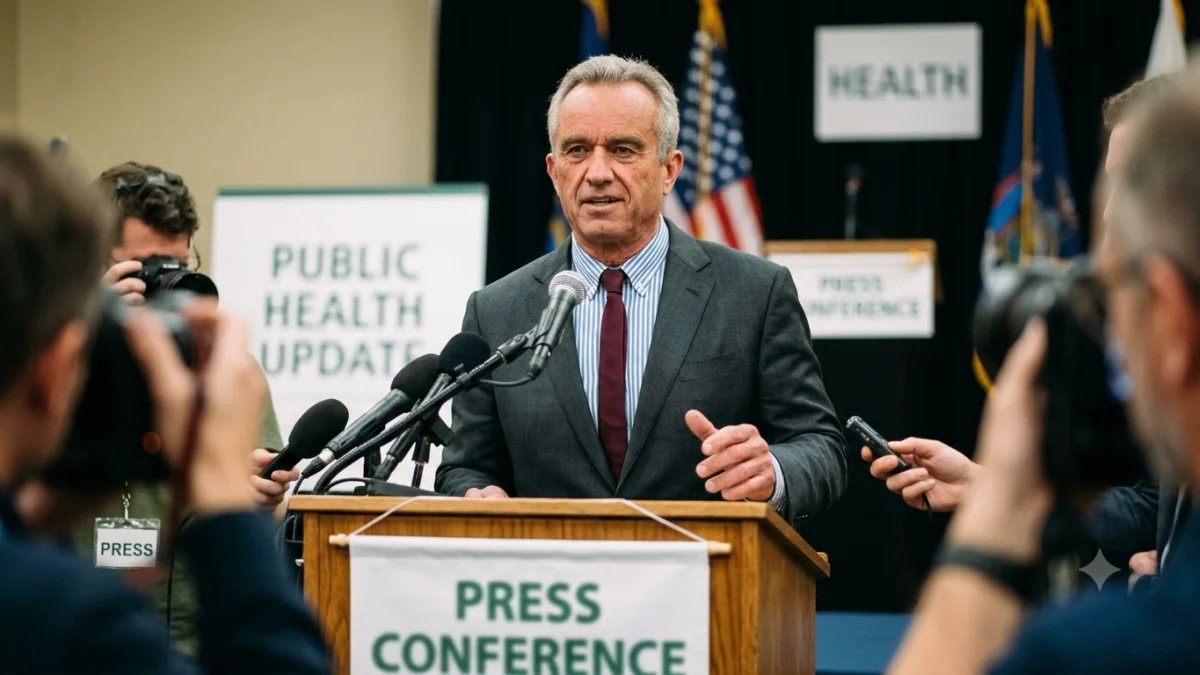
GENEVA — Public health authorities are monitoring the widening health consequences of regional conflicts, warning that continued violence, displacement and disruptions to medical supply chains could increase pressure on healthcare systems and complicate responses to disease outbreaks, according to the World Health Organization (WHO) and national health agencies.
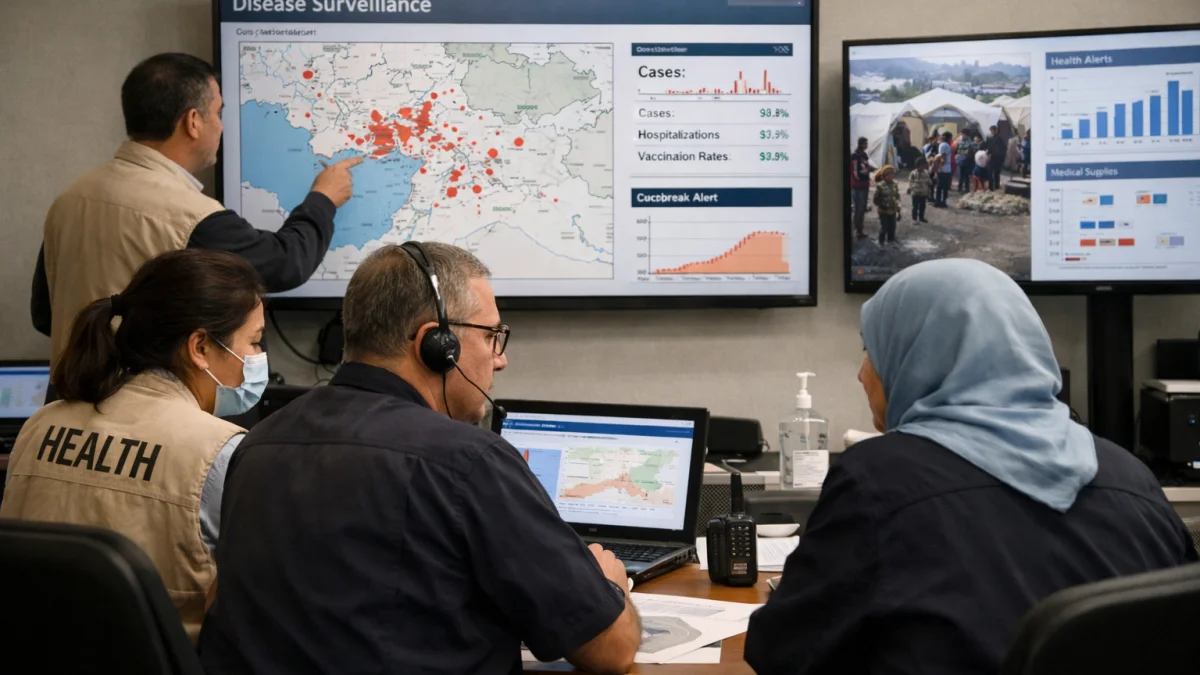
WHO said ongoing conflicts in parts of the Middle East have disrupted health services, damaged medical infrastructure and hindered the movement of humanitarian supplies, while increasing demand for emergency care and treatment for chronic illnesses. The agency said it is working with ministries of health and humanitarian partners to strengthen disease surveillance, maintain essential services and position medical supplies in affected areas.
WHO Director-General Tedros Adhanom Ghebreyesus said earlier this year the organization remained concerned about the impact of the conflict on civilians and healthcare systems, while Regional Director for the Eastern Mediterranean Hanan Balkhy warned that attacks on healthcare facilities, displacement and supply-chain interruptions were placing additional strain on national health services.
The agency said interruptions to airspace and maritime transport have slowed deliveries of medicines and emergency medical equipment in some areas, affecting humanitarian operations beyond the immediate conflict zones. WHO also said it continues to support countries in maintaining surveillance systems capable of detecting infectious disease outbreaks and responding to potential mass-casualty incidents.
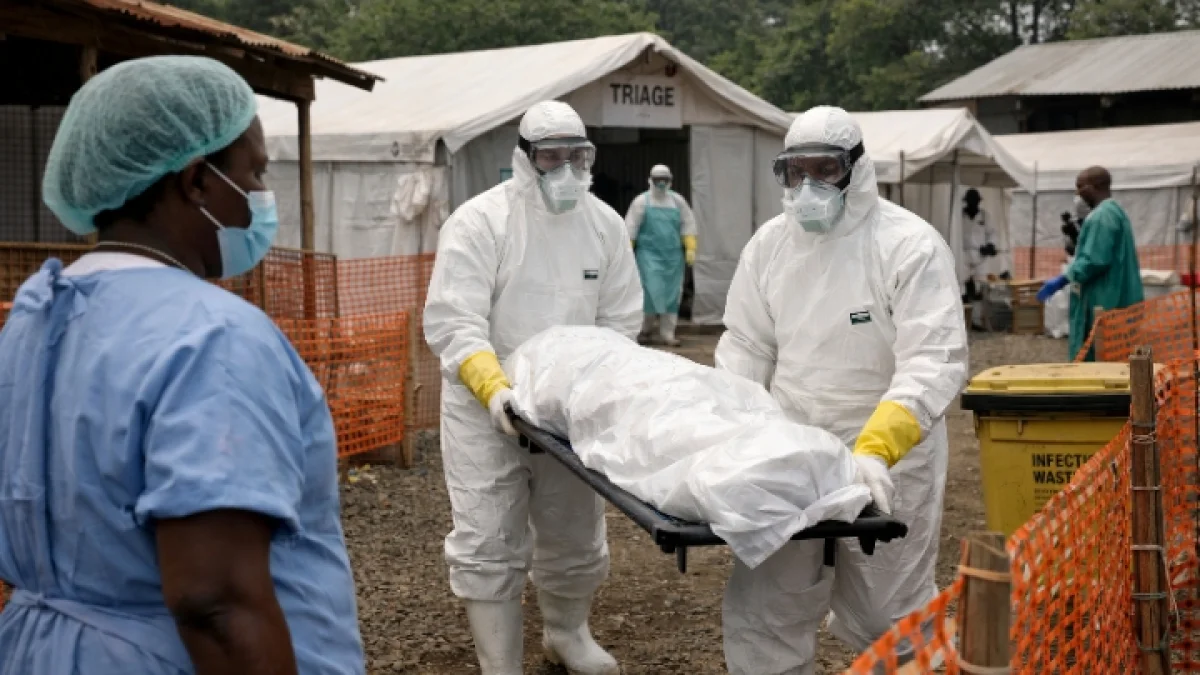
Separate health emergencies have underscored the challenges of responding to disease outbreaks in areas affected by insecurity. In eastern Democratic Republic of Congo, authorities and international health agencies have continued efforts to contain an Ebola outbreak while operating in regions affected by armed conflict and population displacement. Health officials say insecurity can complicate access to affected communities, disease surveillance and delivery of medical assistance.
WHO's public emergency monitoring systems continue to track attacks on healthcare, disease outbreaks and humanitarian health needs worldwide, providing operational updates to governments and aid organizations. The agency says protecting health workers and medical facilities remains essential under international humanitarian law to ensure continuity of care during conflicts.
Public health officials said monitoring efforts remain focused on maintaining essential healthcare services, detecting emerging public health threats and supporting national authorities as regional conflicts continue to affect civilian populations. WHO said it will continue issuing situation reports and coordinating with governments and humanitarian partners as conditions evolve.