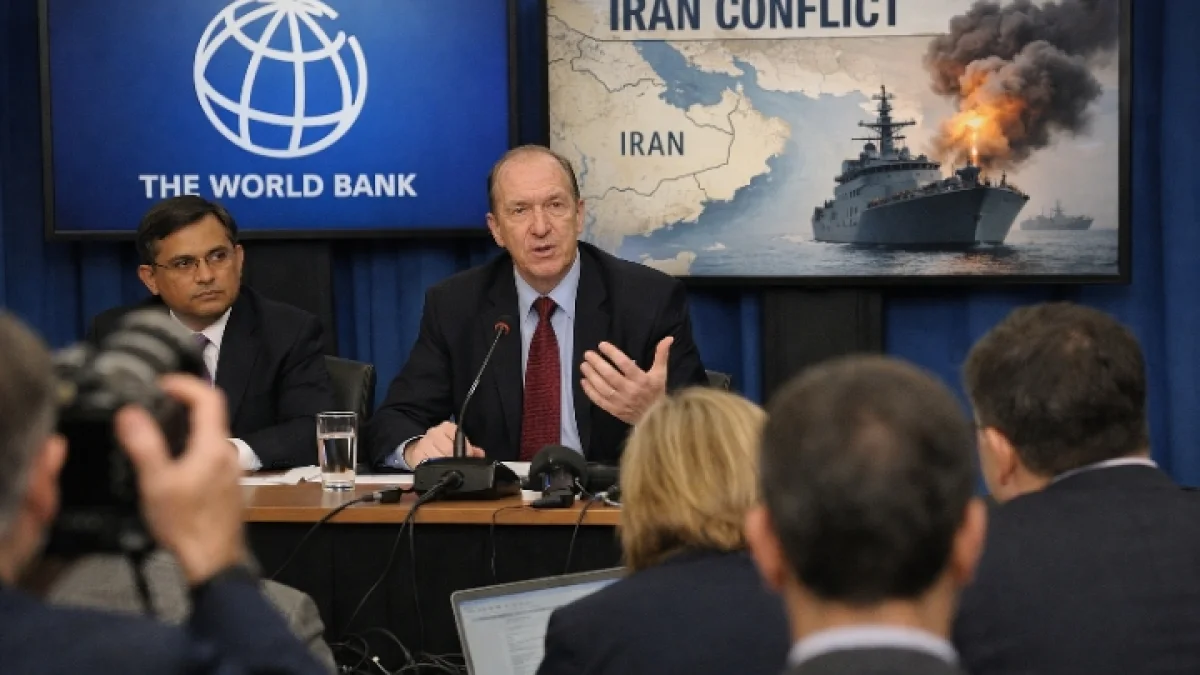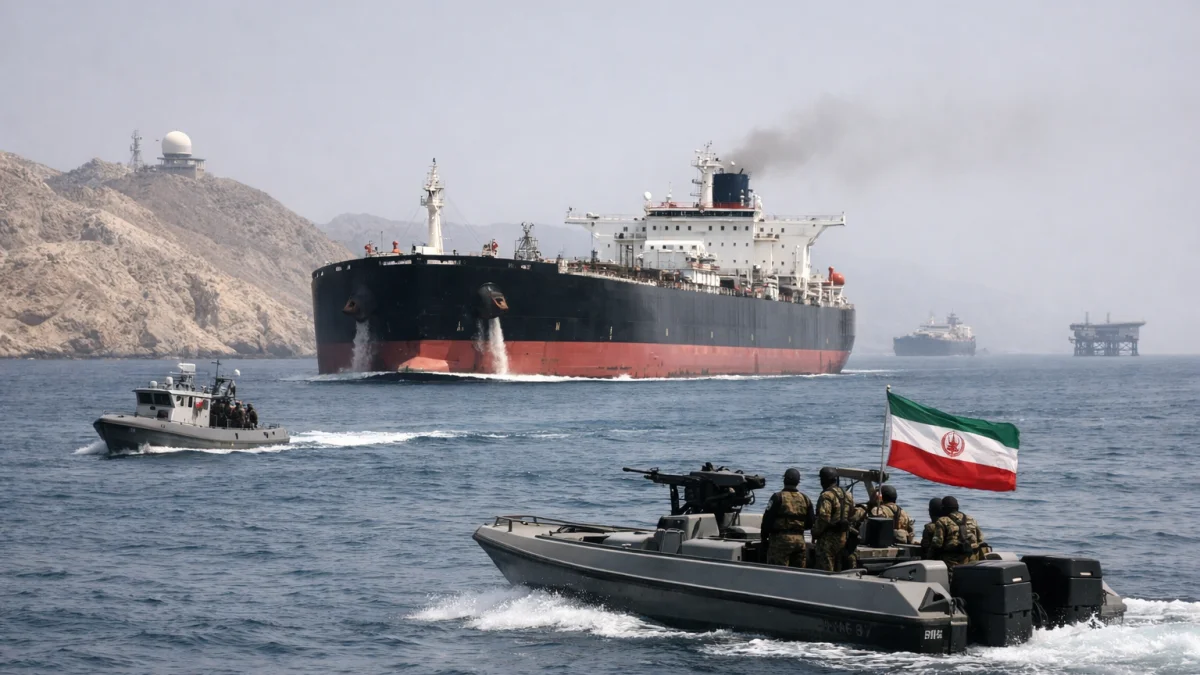
LONDON—Oil prices fluctuated on Friday as traders weighed persistent disruptions to shipping through the Strait of Hormuz against uncertainty over the duration and extent of supply interruptions linked to renewed fighting between the United States and Iran.
Brent crude and U.S. West Texas Intermediate futures traded higher during the session after recovering from earlier losses, leaving both benchmarks on course for strong weekly gains. The market remained focused on the security of energy shipments through the Strait of Hormuz, a strategic waterway that normally handles a significant share of globally traded crude oil.
Market participants said renewed military exchanges and concerns over maritime security continued to support prices, although trading remained volatile as investors assessed whether disruptions would translate into sustained reductions in global supply. Analysts noted that uncertainty over tanker movements and export volumes had become a primary driver of price swings.
Energy consultancy Kpler said confirmed crude and condensate transit through the Strait of Hormuz had fallen sharply amid the renewed hostilities, while regional crude loadings also declined, highlighting the impact of security concerns on exports from Gulf producers.
Analysts also pointed to signs that supply risks were extending beyond crude markets. Refining margins strengthened as damage to regional refining infrastructure and constraints on shipping raised concerns about the availability of refined petroleum products. The International Energy Agency has warned that prolonged geopolitical tensions could increase risks to global energy markets if disruptions continue.
Despite the upward pressure on prices, some analysts said expectations that major producers could adjust output, together with strategic petroleum reserves held by consuming countries, had helped prevent a sharper rally. They cautioned, however, that prices would remain highly sensitive to developments affecting shipping lanes and regional security.
The latest market moves followed renewed exchanges of military strikes involving the United States and Iran, with both sides accusing each other of escalating the conflict. Reports of threats to maritime traffic and attacks affecting energy infrastructure have heightened concerns over the reliability of oil exports from the Gulf, although the full extent of supply losses has not been independently verified.
Investors are expected to continue monitoring official statements from governments, shipping authorities and energy agencies for confirmation of any changes in tanker traffic or export volumes through the Strait of Hormuz, developments that remain central to the outlook for global oil markets.