GENEVA — Global progress in reducing exposure to harmful air pollution has stalled after years of improvement, with low- and middle-income countries continuing to bear a disproportionate share of the health burden, according to updated World Health Organization data released as part of monitoring for the U.N. Sustainable Development Goals.
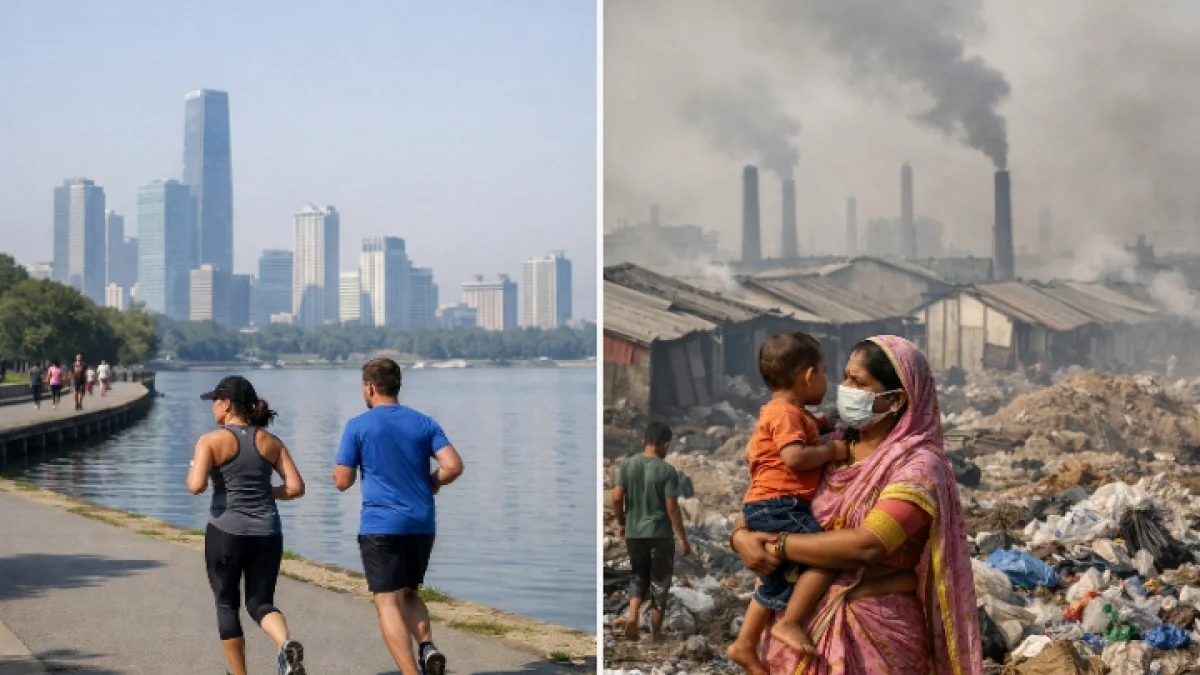
The WHO said global concentrations of fine particulate matter (PM2.5) declined until 2020 but have since remained largely unchanged, underscoring persistent inequalities in exposure and access to clean household energy. The agency said around 6.5 billion people in 2023 were exposed to PM2.5 levels above the least stringent interim target in its air quality guidelines, with exposure rates in low- and middle-income countries about 13 times higher than in high-income nations.
About 2 billion people continued to rely on polluting fuels and inefficient stoves for cooking in 2024, the WHO said, exposing households to hazardous indoor air pollution linked to heart disease, stroke, chronic respiratory illnesses and lung cancer. The organization said roughly 90% of the resulting health burden falls on low- and middle-income countries, with noncommunicable diseases accounting for most of the impact.
Bruce Gordon, acting director of WHO's Department of Environment, Climate Change, One Health and Migration, said reliable scientific data were essential for governments to address the combined challenges of air pollution, climate change and public health, emphasizing the need for stronger monitoring and coordinated policy action.
The updated indicators showed uneven regional progress. Asia continues to record the highest pollution levels but has also achieved some of the largest reductions, while parts of Africa, western Asia and northern Africa have seen little improvement over the past decade. Urban air quality has generally improved across income groups, but progress has been slower in rural areas of lower-income countries.
The WHO also warned that access to clean cooking remains highly unequal. Nearly 970 million people in sub-Saharan Africa still lack access to clean household energy, and the agency projects the regional shortfall could exceed 1 billion people by 2027 unless progress accelerates.
Air pollution remains one of the world's leading environmental health risks, contributing to millions of premature deaths each year, according to the WHO. The agency said the updated data are intended to help countries strengthen air quality standards, improve monitoring systems and support its goal of reducing air pollution-related mortality by 50% by 2040 while advancing universal access to clean cooking by 2030.