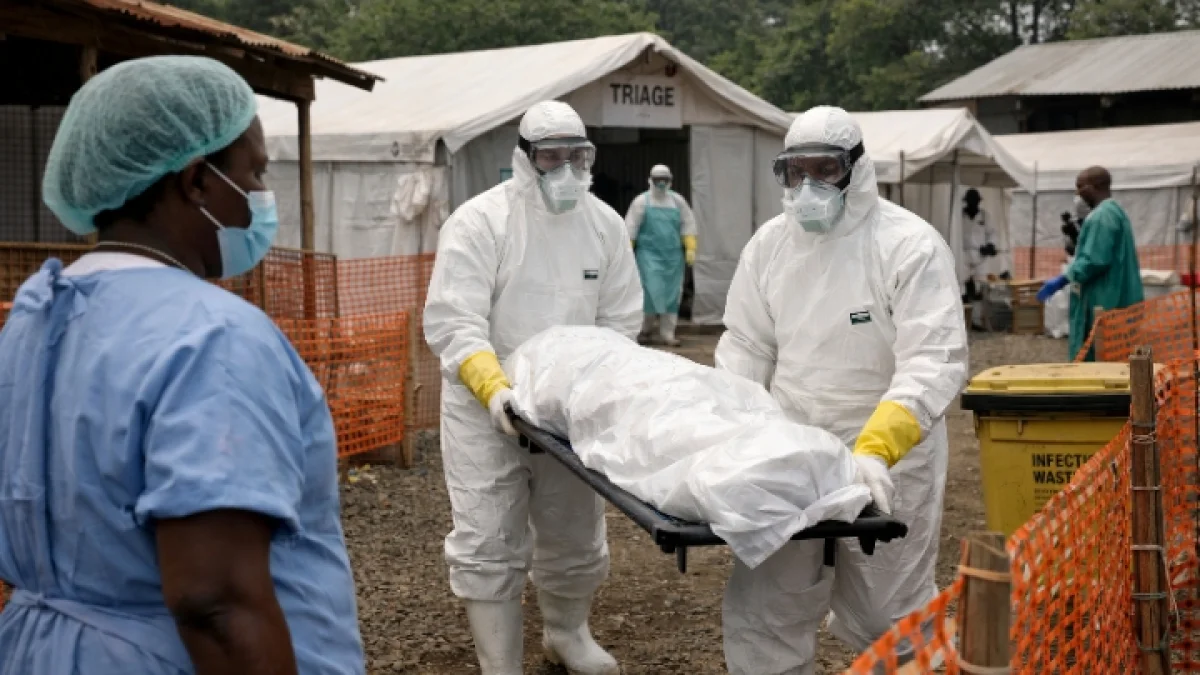
KAMPALA—A food security emergency has worsened in Uganda's northeastern Karamoja region, with about 473,000 people facing crisis-level hunger or worse between April and July, according to the latest Integrated Food Security Phase Classification (IPC) analysis, as humanitarian agencies warned that children remain at growing risk of acute malnutrition.
The IPC assessment, released in June, classified all nine districts in Karamoja in IPC Phase 3 (Crisis), with around 41,000 people in IPC Phase 4 (Emergency). The most severe conditions were reported in Kaabong, Kotido, Karenga, Moroto and Nabilatuk districts, where up to 45% of residents are experiencing Crisis or worse levels of food insecurity.
The report attributed the deterioration to below-average crop and livestock production, erratic weather, pest and disease outbreaks, and persistently high food prices. Compared with the same period a year earlier, the share of the population facing acute food insecurity increased modestly, highlighting continuing structural vulnerabilities despite localized improvements in rainfall.
United Nations agencies said the food crisis is translating into worsening nutrition outcomes. UNICEF said about 428,000 children aged between 6 and 59 months across Uganda are expected to require treatment for acute malnutrition over the coming year, with Karamoja remaining the country's most severely affected region. Kaabong and Kotido have been classified at the "Critical" level for acute malnutrition, while only a small proportion of young children in the region receive a minimally acceptable diet.
Humanitarian organizations have expanded nutrition screening and treatment programmes, including the distribution of therapeutic foods and support for health facilities treating severely malnourished children. UNICEF and its partners said early identification of malnutrition remains essential to prevent children from progressing to life-threatening conditions.
The World Health Organization has also identified food insecurity in the Greater Horn of Africa as an ongoing public health emergency, warning that climate shocks, disease outbreaks, displacement and fragile health systems continue to reinforce one another across the region.
Despite the current deterioration, the IPC projects a seasonal improvement between August 2026 and February 2027 as harvests become available, reducing the number of people facing Crisis or worse food insecurity to an estimated 352,000. However, analysts cautioned that food insecurity is expected to remain persistent in several districts unless longer-term measures strengthen livelihoods, agricultural production and access to essential services.